6 Plastic Sheet Protectors For Heavy Use Worth Owning
Protect your important documents with these 6 durable plastic sheet protectors for heavy use. Upgrade your organization and shop our top-rated picks today.
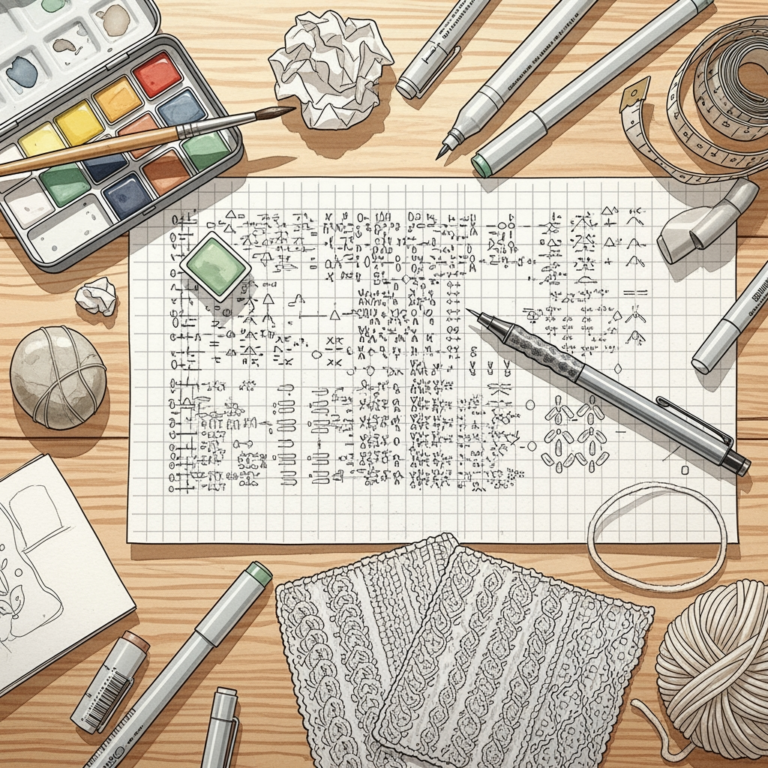
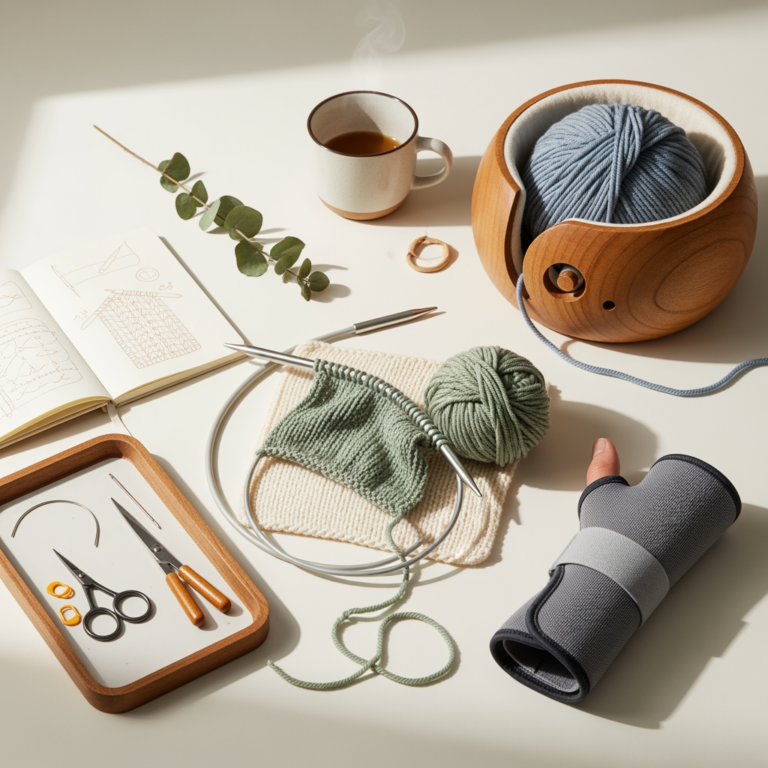
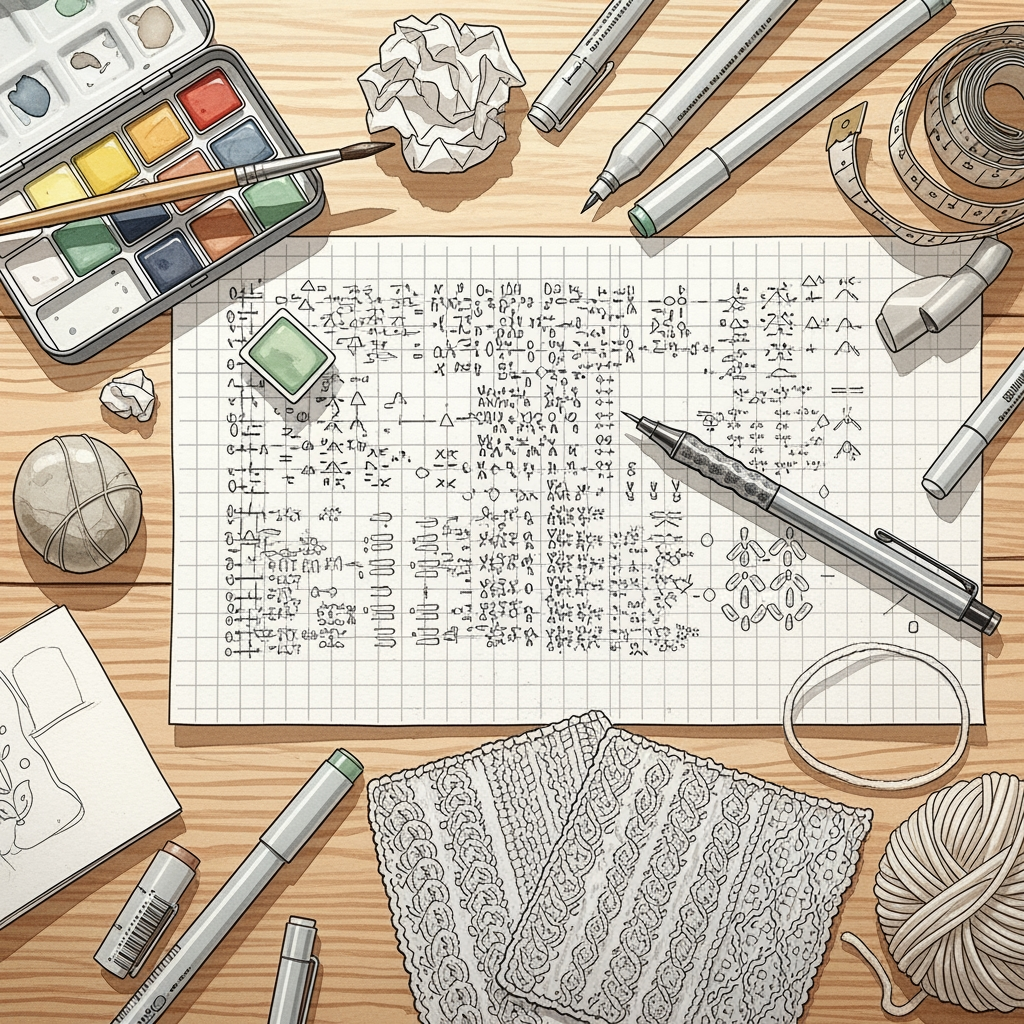
A knitting pattern can easily become a casualty of the craft room, suffering from accidental coffee spills, wandering stitch markers, or the sheer wear of being consulted every few rows. High-quality sheet protectors act as a necessary shield, keeping intricate lace charts and complex cable instructions pristine through months of work. Choosing the right protector requires balancing visibility, durability, and the ability to interact with the page while the needles are in hand. These six options offer the best protection for patterns that must survive the journey from the first cast-on to the final weave-in.
C-Line Super Heavyweight: Best Overall Durability


When a project stretches over months or involves heavy rotation between the knitting bag and the sofa, the C-Line Super Heavyweight stands out for its structural integrity. These protectors utilize a thick, professional-grade material that refuses to sag or tear even when burdened with heavy, laminated reference sheets.
The reinforced binding edge is a significant advantage for knitters who frequently flip through a project binder to check gauge notes or yarn yardage requirements. Because the holes don’t stretch or rip under the weight of a thick collection of notes, the pattern remains securely stored for future re-knitting.
The only real trade-off is the thickness, which can make a binder bulky if it’s packed with dozens of patterns. However, for a high-stakes project like a detailed, multi-chart colorwork sweater, the added weight is a small price to pay for superior protection.
Avery Diamond Clear: Top Choice for Pattern Clarity

Pattern charts featuring fine lines or dense symbols—like those found in complex Japanese lace or stranded colorwork—demand maximum visibility. The Avery Diamond Clear protectors offer a high level of transparency that prevents the “milky” look found in cheaper, frosted plastic sleeves.
Clarity is vital when working with 2.25mm needles and fine fingering-weight wool, where misreading a single symbol can ruin a delicate repeat. These sheets provide a glass-like finish that makes every stitch definition visible without the need to remove the page from the sleeve.
While they are highly clear, these sheets are prone to glare under bright craft room lighting. If the workspace is positioned directly under intense LED lamps, a slight repositioning of the binder might be necessary to avoid distracting reflections.
Samsill Super Heavyweight: The Ultimate Value Pick
Samsill delivers a reliable, heavyweight solution that doesn’t break the bank when building an extensive pattern library. For the knitter who keeps every single project sheet ever printed, these protectors offer a balance of thickness and affordability that allows for bulk organization.
They feature a non-stick finish, which is crucial if any reference sheets have been printed on inkjet paper or involve hand-drawn notes in pen. The finish ensures that ink won’t lift off the paper and stick to the plastic over time, preserving the legibility of notes even after years in storage.
The construction is sturdy enough for everyday handling, though perhaps not as rugged as the C-Line series. They are the ideal choice for storing a growing collection of sock and hat patterns that require frequent access but not necessarily heavy-duty protection.
Wilson Jones Extra Heavy: Resists Tears and Wrinkles

The Wilson Jones Extra Heavy line is engineered specifically to resist the fatigue caused by constant opening and closing of a binder. If the knitting bag is a chaotic environment, these sheets provide the necessary resilience to prevent crumpled edges and folded corners.
These protectors are surprisingly flexible for their weight, allowing them to lay flat against the arm of a chair or a knitting table. This flexibility is a major benefit for those who refer to their patterns while balancing their work on their lap.
Because they are so resistant to wrinkling, they stay looking professional for years, even after being stuffed into project totes. They are a practical investment for patterns that see action across multiple seasonal knitting rotations.
StoreSMART Rigid Print Protectors: For Stiff Support
Sometimes a pattern needs to act as a stable backing, especially when knitters are working in improvised spaces like a park bench or during a commute. The StoreSMART Rigid Print Protectors are essentially semi-hard sleeves that offer structural support rather than just thin plastic coverage.
These are particularly useful for keeping large-format charts from folding in half while stored in a knitting bag. By maintaining the integrity of the paper, they prevent the creases that eventually lead to tears in printed patterns.
Because they are rigid, they do take up more physical space in a binder. They are best reserved for a few primary patterns currently in progress rather than for archiving an entire bookshelf of designs.
UniKeep Archival Protectors: Safest for Long-Term
Archival-safe materials are critical for knitters who treat their pattern collections as keepsakes or heirlooms. The UniKeep protectors are acid-free and PVC-free, meaning they will not yellow or damage the paper over time.
For designers or knitters who print on high-quality paper, this is the only responsible way to store materials long-term. Avoiding chemical reactions between the ink and the plastic is the secret to ensuring that a favorite pattern remains readable decades later.
While the primary benefit is preservation, they also offer a very high degree of clarity. They provide the peace of mind that a treasured collection of lace patterns will stay just as crisp as the day they were printed.
How to Choose: A Sheet Protector Thickness Guide
Thickness is measured in mils, and for knitting, anything below 2 mils will likely fail within a few weeks. A 2-mil sheet is standard, but for the wear and tear of a knitting bag, 3 to 4 mils is the “sweet spot” for long-term project viability.
- 2 Mil: Suitable for patterns rarely moved or kept strictly in a home office.
- 3 Mil: The standard choice for active projects; resists moderate handling.
- 4+ Mil: Ideal for heavy-duty project binders or patterns that travel everywhere.
If the goal is to keep patterns organized in a binder that lives on a shelf, thinner is acceptable. For the “traveling knitter,” always opt for 3 mils or higher to ensure the plastic doesn’t split at the rings.
Matte vs. Glossy: Which Finish Is Best for Charts?
The choice between matte (non-glare) and glossy (clear) finishes is a trade-off between readability and reflection. Glossy finishes are unmatched in clarity, making them the best choice for small-text instructions or intricate symbol charts where detail is everything.
Matte protectors, however, win on utility in high-light environments or sunny windowsills. They diffuse light, which reduces the harsh glare that can cause eye strain during long sessions of counting rows or monitoring lace repeats.
Test the lighting in the primary knitting spot before committing to a finish. If the workspace is dimly lit, go for glossy; if it is bright, go for matte to save the eyes.
Why Archival-Safe Protectors Matter for Patterns
“Archival-safe” means the plastic is chemically inert, specifically free of PVC and acids. Over time, cheap plastics can off-gas and transfer chemicals to paper, leading to yellowing, brittleness, and ink fading.
Patterns often contain color-coded notes or specific gauge information that would be devastating to lose. Using archival-safe protectors ensures that these hand-written records remain intact for the life of the project.
Always check for the “acid-free” label on the packaging. It is a small detail that preserves the history of every project, from the first scarf to the master-level garment.
Using Dry-Erase Markers to Track Pattern Progress
A major benefit of using high-quality sheet protectors is the ability to write directly on the plastic with a dry-erase marker. This is a game-changer for tracking row counts or marking off finished repeats in a complex chart without ruining the original document.
If the pattern involves a long, repetitive cable section, use the marker to highlight the current row directly on the plastic. Once the row is finished, simply wipe it away with a soft cloth or a felt eraser.
Ensure the marker is fully dry before closing the binder to avoid smearing ink onto the inside of the opposite page. This method keeps the paper pristine while providing a dynamic, reusable tracking system that evolves with the project.
With the right sheet protectors in place, a pattern becomes a durable tool rather than a fragile piece of paper. Whether prioritizing structural support for a traveling project or archival safety for a treasured collection, these selections provide the reliability required for years of successful knitting. Choose based on the specific environment in which the knitting occurs, and your pattern library will stay organized and functional for years to come.