7 Best Page Turners For Arthritic Hands To Try
Struggling with book pages? Discover 7 ergonomic page turners for arthritic hands to make reading comfortable again. Read our expert guide and find yours today.
Stiff, aching fingers can turn the simple joy of reading a pattern into a frustrating physical struggle. For those who spend hours tensioning yarn or working complex cables, protecting hand joints during downtime is just as vital as ergonomic knitting needles. Finding the right page turner allows for rest without losing progress in a complicated lace chart or a dense instructional book. These tools serve as essential companions for any fiber artist looking to preserve their dexterity for the next project.
AirTurn DUO 200: Best Hands-Free Digital Turner


The AirTurn DUO 200 functions by using foot pedals to trigger page turns on a tablet or smartphone. This tool is ideal for knitters who follow digital patterns on a tablet while their hands are occupied with circular needles or complex colorwork.
Because it connects via Bluetooth, it eliminates the need to reach out and tap a screen, which helps maintain consistent tension. Avoiding the repeated motion of tapping or swiping reduces strain on the MCP joints in the hands.
The primary tradeoff involves the learning curve of coordinating foot movement with reading rhythm. However, for those working on large-scale garments like sweaters where stopping to touch a screen disrupts the flow, this device is a game-changer.
Thumb Thing Page Holder: Top Simple & Portable Aid

The Thumb Thing is a small, rigid plastic accessory designed to slide over the thumb, effectively propping open a book’s pages with minimal effort. It is particularly useful for holding open heavy stitch dictionaries or knitting technique reference books that refuse to lay flat.
Because it utilizes the thumb’s natural leverage, it requires almost no grip strength to keep a page steady. This is a significant advantage when hands feel fatigued from tight gauge work or long sessions of twisted-stitch cabling.
The simplicity of this tool means there is nothing to break or charge, making it perfect for the knitting bag. While it may not suit massive hardbacks, it is an essential aid for keeping reference materials accessible without stressing the knuckles.
The Book Seat: Ultimate for Lap-Based Reading
The Book Seat is a bean-bag style stand that molds to the contours of a lap, providing a stable, hands-free platform for any size book. For the knitter who enjoys reading while waiting for the kettle to boil or during long car rides, it provides essential support.
By positioning a book at an optimal viewing angle, it prevents the neck and hand strain that often comes from holding heavy volumes. The adjustable clear plastic strap keeps pages open without requiring the reader to pinch or hold the spine.
This is arguably the most ergonomic solution for those with severe arthritis, as it removes the weight of the book entirely from the hands. It is the perfect companion for reading while simultaneously working on a low-stress project like a simple garter stitch shawl.
Superior Essentials Page Holder: Best for Cookbooks
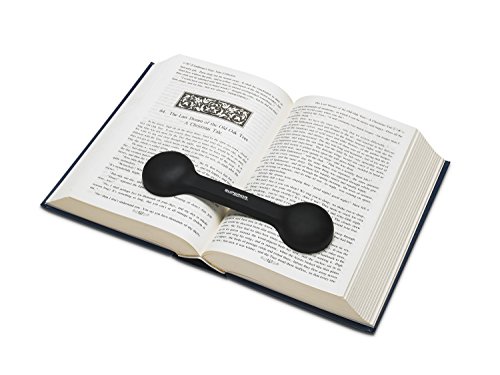
Cookbooks and complex, multi-page knitting patterns share a common frustration: they rarely stay open on their own. The Superior Essentials holder uses a sturdy metal wire design that physically clamps the pages down, allowing for hands-free study of intricate instructions.
The heavy-duty nature of this tool makes it capable of handling thick, spiral-bound technical manuals. If a pattern requires cross-referencing charts and written instructions simultaneously, this tool keeps the focus where it belongs.
While it is less portable than a simple thumb clip, the sheer stability it provides is worth the extra weight for a dedicated home-reading station. It allows the hands to rest completely while studying a new stitch pattern or fiber composition guide.
FlipKlip Book Page Holder: Most Versatile Clip
The FlipKlip uses a unique tension-based design to hold pages back, allowing the reader to turn them with just a flick of the finger. Its versatility makes it suitable for anything from thin pattern pamphlets to thick hardcover reference books.
The spring-loaded mechanism provides just enough tension to keep pages flat without requiring a tight, pinching grip. For a knitter with limited grip strength, this “flick and hold” action is much kinder to the finger joints than forcing a book to stay open manually.
Because it is lightweight and slim, it slips easily into a project bag alongside spare needles and snips. It is a highly practical choice for those who value gear that serves multiple purposes across different book sizes.
BookBoutique Leather Weight: A Stylish Page Stay
A leather-covered weight acts as a sophisticated, tactile solution for keeping patterns open on a table. Unlike clips that rely on pressure, a weight works via gravity, which is often the most comfortable option for inflamed finger joints.
The weight provides a soft, grippy texture that won’t scratch delicate book pages or damage yarn resting nearby. It is an ideal accessory for the aesthetic-conscious crafter who appreciates quality materials—much like choosing high-quality merino wool over scratchy acrylics.
While it lacks the portability of a clip, it is unmatched for stationary reading. Simply placing the weight on a pattern provides instant relief, allowing hands to recover after a long day of knitting.
iRig BlueTurn: Best Silent Bluetooth Page Turner
The iRig BlueTurn is a backlit, silent pedal system designed for musicians, but it excels for knitters who work in quiet environments. It provides tactile, silent clicks that translate to smooth page transitions on a digital device.
The backlighting is a subtle but helpful feature for knitters who often work in dim light or cozy, low-lit reading nooks. By offloading the page-turning task to the feet, it allows for uninterrupted focus on yarn tension and stitch count.
It is a more precise, professional-grade tool than some general-purpose alternatives, making it a sound investment for serious makers. If digital pattern fatigue is a factor, the silent, reliable operation of the BlueTurn offers a superior experience.
Choosing a Page Turner: Digital vs. Analog Tools
Selecting the right tool depends on whether one prefers digital pattern tracking or physical books. Digital tools like the AirTurn or iRig provide complete hands-free operation but require a learning curve for coordination.
Analog tools like the Thumb Thing or FlipKlip focus on physical support, which is often more intuitive for those who prefer the tactile nature of paper. Fiber artists should assess their workspace: a desk-bound knitter may prefer a heavy weight, while a commuter will prioritize the portability of a thumb-based aid.
Ultimately, the best choice is the one that minimizes the amount of “pinch” force required. If a tool requires constant gripping, it will likely exacerbate arthritic pain rather than alleviate it.
Ergonomic Setup: Reading Patterns Comfortably
A comfortable reading environment is just as important as a comfortable knitting chair. Positioning a pattern at eye level—or at least at a height that prevents hunching—reduces the structural stress on the entire body.
When using physical books, ensure the light source is adequate to prevent squinting, which often causes subconscious tightening of the hands and shoulders. Use a stand or weight so that the book remains stationary, allowing the hands to move naturally without the added burden of holding the material open.
Incorporate breaks that alternate between knitting and reading to avoid repetitive strain. A balanced approach ensures that fiber arts remains a lifelong pursuit, not just a seasonal hobby.
What to Look For in an Arthritis-Friendly Tool
When evaluating any reading aid, prioritize tools that utilize leverage or gravity rather than direct muscle compression. Look for devices that offer large, easy-to-press buttons or wide, smooth surfaces that do not require fine motor control to operate.
- Portability: Can it fit in a small project bag?
- Ease of Use: Does it require a tight “pinch” to operate?
- Material Quality: Is the finish smooth enough to avoid snagging delicate fibers?
- Stability: Does it adequately secure thick books without sliding?
Prioritize simplicity; in the case of arthritic hands, the least amount of resistance is usually the most effective solution. Always verify that the device is compatible with the specific tablet or book size commonly used in your personal library.
Investing in these aids allows for hours of comfortable study and leisure, ensuring that the hands remain as healthy as the beautiful garments being created. By selecting tools that honor the physical limitations of the joints, one can continue to focus on the joy of the craft. Prioritize equipment that provides stability without demanding unnecessary grip strength. Proper support today ensures more productive, pain-free hours at the needles tomorrow.