
6 Best Hand Carder Brushes For Cleaning Fiber Debris
Keep your fiber pristine with our top 6 hand carder brushes. Discover the best tools to efficiently remove debris and maintain your wool for perfect spinning.
Preparing raw fleece for spinning is a meditative process, but fiber debris can quickly turn a relaxing session into a frustrating chore. Using the right hand carders makes all the difference in achieving a smooth, consistent roving that spins like a dream. Whether you are dealing with fine Merino or rustic longwools, selecting the proper tool is the first step toward professional-quality yarn. This guide breaks down the best carders on the market to help you clear debris and align your fibers with ease.
Strauch Fine Hand Carders: Best For Fine Fibers


When you are working with delicate fibers like Cormo or high-grade Merino, you need a tool that respects the fiber structure. Strauch carders are legendary for their high tooth density, which gently separates fine fibers without breaking them.
The secret here is the fine gauge of the wire, which acts like a delicate comb rather than a rake. If you are preparing fiber for a fine lace-weight yarn, these carders ensure that every strand is perfectly aligned and free of vegetable matter.
However, keep in mind that these are not meant for heavy-duty, VM-heavy (vegetable matter) fleeces. Use these for your "cleanest" fibers to achieve that buttery-soft finish your finished garments deserve.
Ashford Classic Hand Carders: Best All-Rounder
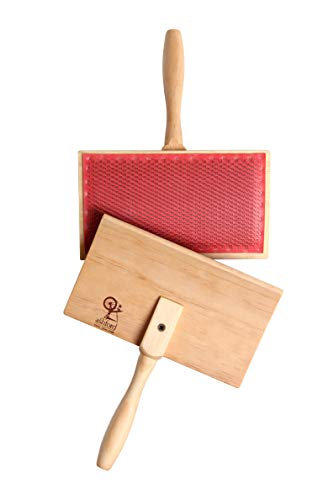
If you find yourself switching between different breeds of sheep, the Ashford Classic is the workhorse you want on your workbench. It offers a balanced TPI (teeth per inch) that handles everything from medium-staple wool to soft alpaca blends.
These carders are incredibly durable, standing up to years of heavy use without the teeth bending or losing their alignment. They provide just enough "bite" to pull debris out of the wool while maintaining a smooth, rhythmic motion.
The trade-off is that they aren’t specialized for extremely fine or extremely coarse fibers. If you only have space for one set of carders in your studio, this is the reliable, no-nonsense choice that won’t let you down.
Howard Brush Co. Mini Carders: Best For Detail
Sometimes you only need to process a small batch of fiber or blend a tiny amount of angora into your wool. Howard Brush Co.’s mini carders are perfect for these precise, low-volume tasks.
Because of their smaller surface area, they are much easier to maneuver when you are picking through a tricky lock of wool. They allow for a level of control that larger paddles simply cannot match, especially when you are blending colors for a custom gradient.
They are also a fantastic secondary tool to have on hand for spot-cleaning debris. Keep these nearby for when you find a stubborn bit of hay that your larger carders missed.
Louët Curved Hand Carders: Best Ergonomic Pick
Hand carding can be surprisingly taxing on the wrists, especially during long sessions of processing a full fleece. The curved design of Louët carders is a game-changer for those who suffer from hand fatigue or repetitive strain.
The curvature allows for a more natural wrist angle as you sweep the paddles across each other. This geometry makes it significantly easier to maintain a consistent rhythm, which is vital for even fiber preparation.
Don’t let the design fool you; these are still rugged tools capable of handling a variety of fiber types. If you plan on spending your Sunday afternoons carding, your joints will thank you for choosing this ergonomic option.
Schacht Student Hand Carders: Best For Beginners

Starting your journey into fiber processing can be intimidating, but Schacht makes it approachable. Their student carders are designed with a comfortable handle and a forgiving tooth density that helps beginners learn the "flick" without snagging.
These are perfect for learning the mechanics of carding without the high price tag of professional-grade equipment. They are sturdy, reliable, and provide immediate feedback so you can feel when the fibers are properly aligned.
While they may lack some of the bells and whistles of high-end models, they are more than capable of producing a beautiful batt. Master the basics here before deciding if you need to upgrade to a specialized tool later.
Clemes & Clemes Flick Carder: Best For Locks
A flick carder is a unique tool used to open up the ends of a lock of wool before you begin the full carding process. Clemes & Clemes produces a high-quality version that is essential for dealing with raw, greasy fleeces.
By holding the lock and "flicking" the ends with this tool, you remove debris and align the tips before the fiber ever hits the main carders. It is an extra step, but it drastically reduces the amount of gunk that gets trapped in your primary carding paddles.
If you are buying raw fleeces directly from the farm, this tool is non-negotiable. It keeps your main equipment cleaner for longer and ensures your final yarn is free of hidden bits of straw or chaff.
Understanding TPI: Why Tooth Density Matters Most
TPI, or Teeth Per Inch, is the most critical metric when selecting your carding equipment. A lower TPI (fewer teeth) is generally better for coarse, long-staple wools, while a higher TPI is required for fine, short-staple fibers.

Think of it like needle sizing: you wouldn’t use a size 8mm needle for lace-weight yarn, and you shouldn’t use low-density carders for fine Merino. Using the wrong TPI will either shred your delicate fiber or fail to grab the debris entirely.
Always check the manufacturer’s specifications for the fiber type you are working with. When in doubt, a medium TPI is the safest starting point for a versatile, all-purpose setup.
Ergonomics: Choosing Carders to Prevent Fatigue
Fiber prep is a physical activity, and your tools should work with your body, not against it. Look for carders with lightweight handles that fit comfortably in your palm to avoid cramping during extended sessions.
The weight of the paddle itself also matters; a heavy paddle can lead to shoulder strain over time. If you find your hands getting tired, try setting your work down more often or switching to a curved model that promotes a neutral wrist position.
Remember that carding is meant to be a relaxing, rhythmic process. If you find yourself white-knuckling the handles, you are likely working too hard—take a breath, loosen your grip, and let the teeth do the work.
Essential Tips for Cleaning Fiber Debris Safely
Keeping your carders clean is the best way to ensure they last for decades. Use a dedicated carding brush or a stiff-bristled cleaning tool to gently remove trapped debris after every session.
Avoid using sharp metal objects like needles or knives to pick out bits of hay, as these can easily damage or bend the delicate teeth. If a piece of debris is truly stuck, use a soft wooden pick to nudge it out from the base of the teeth.
Always store your carders with the teeth facing each other or covered to prevent injury and dust buildup. A clean set of teeth produces a cleaner batt, which leads to a smoother, more consistent spin.
How to Maintain Your Carder Teeth for Longevity
The teeth on your carders are precision instruments, and they require a little love to stay sharp and aligned. Periodically check that no teeth have been bent during your carding process, as a single misaligned tooth can snag fiber and create knots.
If you notice your carders aren’t grabbing fiber as effectively as they used to, it might be time for a deep clean. A light brushing with a specialized carder cleaner can remove residual lanolin and dirt that builds up over time.
Treat your carders as an investment in your craft, and they will serve you for years to come. With proper care, they become an extension of your hands, making the transition from raw fleece to beautiful yarn a seamless experience.
Choosing the right hand carders is an investment in the quality of your finished handspun yarn. By matching the TPI to your fiber type and prioritizing ergonomic comfort, you can transform your fiber prep from a chore into a highlight of your creative process. Whether you start with a student-friendly model or jump straight into professional-grade gear, remember that consistency and care are your best tools. Happy carding, and may your batts be smooth and your spinning effortless!
