6 Best Knitting Books For Finishing Techniques
Master professional finishing with these six essential books. Learn to perfect seams, pick up stitches, and block projects for a flawless, polished result.
Every knitter knows the heartbreak of spending weeks on a sweater only to have it ruined by a sloppy seam or a puckered edge. Finishing is the bridge between a handmade craft and a professional-looking garment that you’ll actually want to wear. These six books provide the technical roadmap needed to elevate your work from "homemade" to heirloom quality. Mastering these final steps is the single most effective way to improve your knitting portfolio.
Vogue Knitting: The Ultimate Knitting Book


This is the definitive encyclopedia that belongs on every knitter’s bookshelf. It doesn’t just cover finishing; it covers the entire lifecycle of a project, but its sections on assembly are unparalleled in their clarity and scope.
When you are staring at a pile of sweater pieces and feeling intimidated, the step-by-step illustrations here act as a calm, expert guide. It covers everything from basic mattress stitch to complex grafting, ensuring you have a reference for whatever construction method your pattern dictates.
The trade-off is the sheer volume of information, which can feel overwhelming to a total beginner. However, treat it as a long-term investment; as your skills grow, you will find yourself returning to these pages for years to come.
Finishing School by Deborah Newton
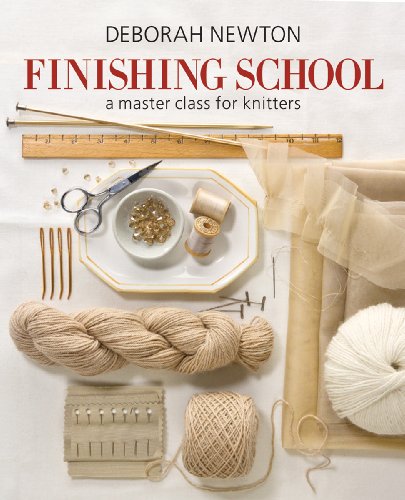
Deborah Newton is a legend in the industry, and her approach to finishing is rooted in the philosophy that the garment is built long before you pick up a tapestry needle. She treats finishing not as an afterthought, but as a design element.
If you struggle with bulky seams or uneven edges, this book will change your perspective entirely. She explains how to pick up stitches along curved edges without creating unsightly holes—a common pain point for those of us working with delicate lace or heavy wools.
The book is incredibly practical, focusing on the "why" behind the "how." By understanding how fabric behaves under tension, you’ll stop fighting your yarn and start working with it to create a cleaner, more fluid silhouette.
Cast On, Bind Off by Leslie Ann Bestor
You might wonder why a book dedicated solely to starting and ending edges is necessary, but the edge of your work is the first thing people see. This book is a visual dictionary of over 120 methods for casting on and binding off.
If you are knitting a top-down sweater, a standard bind-off might be too tight, causing the hem to flare or pull. Bestor explains exactly which bind-off provides the necessary stretch for different fibers, like the difference between a bouncy wool and a non-elastic silk blend.
Don’t ignore the importance of the "setup" edge. A clean, balanced start makes the eventual seaming process significantly easier, saving you hours of frustration when you reach the final assembly stage.
The Principles of Knitting by June Hemmons Hiatt

This is the "physics textbook" of the knitting world. If you want to understand the structural integrity of your stitches, this is the only book you will ever need to purchase.
Hiatt dives deep into the mechanics of fabric, explaining how different fibers react to being sewn together. For instance, she highlights why you should never use a cotton yarn to seam a wool garment, as the differing elasticities will cause the seam to pucker over time.
It is a dense read, but it provides the foundational knowledge to troubleshoot any issue. If you are a technical knitter who loves to understand the "why" behind every stitch, this book will be your constant companion.
10 Secrets to Better Finishing by Rita Weiss

This book is perfect for the knitter who wants quick, actionable advice without wading through hundreds of pages of theory. It focuses on the most common mistakes that make a project look "amateur."
The "secrets" here are simple but transformative, focusing on things like tension control during seaming and how to properly weave in ends so they never work their way out. It’s a great resource for those who have finished several projects but feel they’ve hit a plateau in quality.
The bottom line: simple adjustments to your finishing routine can yield massive results. This book proves that perfection is often found in the small, repetitive details of assembly.
Finishing Techniques for Hand Knitters by Edie Eckman

Edie Eckman has a gift for making complex tasks feel manageable. This book is arguably the most user-friendly guide for the average home knitter who just wants their sweater to look like it came from a boutique.
She covers everything from blocking, which is essential for evening out stitches, to different types of seams like the Kitchener stitch or the backstitch. Her instructions are clear, concise, and focused on achieving a professional finish with minimal fuss.
If you only buy one book on this list, make it this one. It strikes the perfect balance between technical accuracy and accessibility for knitters of all levels.
Why Professional Finishing Elevates Your Projects
Finishing is the difference between a project that stays in your drawer and one that becomes a wardrobe staple. A well-finished garment drapes correctly, holds its shape through multiple washings, and looks intentional.
- Structure: Proper seaming provides the "skeleton" for your garment.
- Aesthetics: Clean edges and hidden ends create a polished, high-end look.
- Longevity: Securely woven ends and reinforced seams prevent the garment from unraveling.
When you ignore these steps, you are essentially leaving the most important work undone. Take the time to treat your finishing as a creative phase rather than a chore.
Essential Tools for Seamless Garment Assembly
You cannot achieve a professional finish with the wrong tools, no matter how skilled your hands are. Investing in a few high-quality basics will make the process infinitely more enjoyable.
- Tapestry Needles: Use blunt-tipped needles to avoid splitting your yarn fibers.
- Blocking Mats: Essential for pinning out your work to the correct dimensions.
- T-Pins: These provide the necessary tension to hold your fabric in place while it dries.
- Sharp Scissors: A clean cut on your yarn tail makes threading the needle much easier.
Remember that your tool choice should match your yarn weight. Using a heavy-duty needle on a fine lace-weight yarn will only damage the delicate fibers.
Blocking Secrets for a Polished Professional Look
Blocking is the "magic" of knitting. It transforms a lumpy, uneven piece of fabric into a smooth, professional-looking garment by relaxing the fibers and setting the stitches.
Always consider your fiber content before you begin. Superwash wools will grow significantly when wet, while alpaca can become quite heavy and saggy. Always do a test swatch to see how your yarn reacts to water and steam.
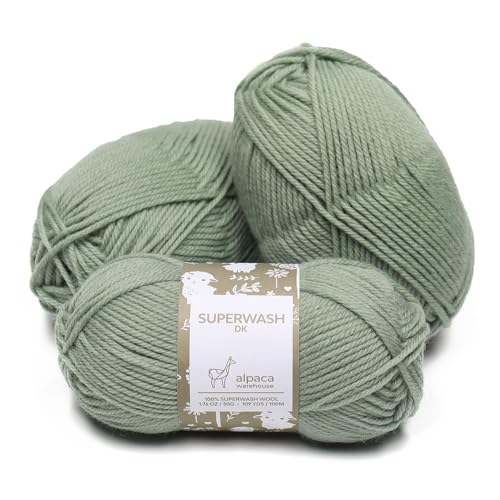
If you are working with delicate fibers like silk or mohair, handle them with extreme care. Never wring out your knitting; instead, roll it in a towel to remove excess moisture before laying it flat to dry.
How to Choose the Right Seaming Method for Yarn
The method you choose to join your pieces should be dictated by the weight and fiber of your yarn. A bulky, heavy wool requires a sturdy, visible seam, while a lightweight cotton might benefit from a more delicate, invisible technique.
- Mattress Stitch: Perfect for invisible, vertical seams in stockinette fabric.
- Backstitch: Ideal for heavier garments where you need extra structural support.
- Kitchener Stitch: The gold standard for grafting live stitches, especially in toe-up socks.
If you are unsure, always perform a small test seam on two scrap pieces of your project yarn. This allows you to see how the seam looks and feels before you commit to joining the entire garment.
Finishing your knitting is a skill that evolves with every project you complete. By utilizing these books and focusing on the small details, you will find that your confidence grows as quickly as your skills. Don’t rush the final stages; treat your finishing as the final, rewarding act of your creative process. Happy knitting, and may your seams always be invisible and your edges perfectly straight.