7 Best Fiber Brushes For Removing Pilling To Try
Revive your wardrobe with our top 7 fiber brushes. Learn which tools effectively remove pilling to keep your favorite garments looking fresh and brand new.
Nothing dampens the joy of finishing a hand-knit sweater quite like the sudden appearance of those unsightly, fuzzy little balls of fiber. Pilling is a natural byproduct of friction, but that doesn’t mean you have to accept it as a permanent part of your wardrobe. With the right tools, you can restore your favorite knits to their original, crisp glory without damaging the delicate structure of the yarn. Here are seven effective ways to manage fiber buildup and keep your hand-knits looking pristine for years.
Gleener Ultimate Fuzz Remover: Best Overall Pick
The Gleener is a standout because it offers a non-electric, manual approach that gives you total tactile control over the process. Instead of a spinning blade that could accidentally snag a loose stitch, this tool uses three interchangeable edges designed for different fabric weights.
For those of us who spend dozens of hours on a project, the risk of a motorized shaver cutting through a strand of yarn is a nightmare. The Gleener’s manual edges allow you to feel the tension of the fabric, ensuring you only remove the pills and not the structural integrity of your knitting.
The bottom line: Choose this if you want maximum control and zero risk of electrical mishaps. It is perfect for those precious heirloom sweaters where you simply cannot afford a snag.
The Laundress Fabric Shaver: Premium Choice


This tool feels substantial in the hand, signaling a level of quality that matches the care you put into your knitting. It uses a high-quality stainless steel blade that glides smoothly over surfaces, making it an excellent choice for dense, high-twist yarns that pill due to surface friction.
Because it is a premium tool, the motor is consistent and powerful, which prevents the "stalling" that often happens with cheaper shavers on heavy wool coats. It is an investment, but one that pays off if you frequently work with luxury fibers like cashmere or fine merino.
The trade-off is the price point, which is higher than most competitors. However, if you are maintaining a collection of expensive hand-knits, the durability and precision of the blade make it a worthwhile addition to your knitting kit.
Conair Fabric Shaver and Lint Remover: Best Value

If you are a prolific knitter, you likely have a dozen sweaters that need occasional attention, and the Conair is the workhorse that gets the job done without fuss. It is widely available, affordable, and surprisingly effective at clearing away surface fuzz on standard wool blends.
The main advantage here is accessibility; if you drop it or lose it, the replacement cost is negligible. It is a great "entry-level" tool for the knitter who is just beginning to realize that maintenance is part of the hobby.
Be mindful that because it is a battery-operated plastic tool, it can be a bit loud and less precise than premium models. Keep a light touch when using it; never press down hard, as the blade guard is the only thing standing between your yarn and a potential hole.
D-Fuzz-It Sweater Comb: Best Portable Option
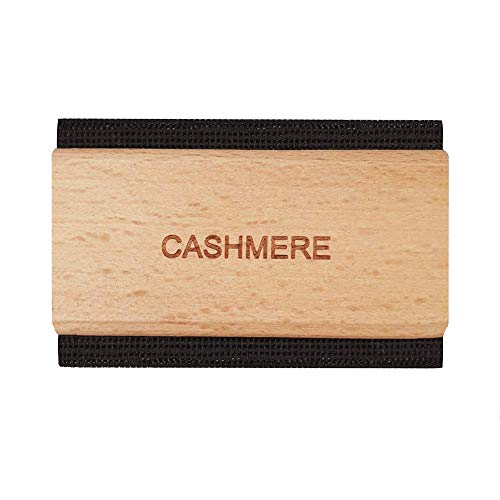
This tiny, unassuming tool is a staple in many knitting bags for a reason. It is essentially a specialized brush with a metal comb edge that gently lifts and traps pills, making it an ideal companion for travel knitting or quick touch-ups on the go.
Because it relies entirely on your hand movement, it is the safest option for delicate fibers or loose, airy lace patterns. You aren’t relying on a motor, so you can work around complex cables or textured stitches with ease.
The downside is that it requires more physical effort than an electric shaver. If your sweater has extensive pilling, your arm will get tired. Keep this in your project bag for small, immediate repairs rather than deep-cleaning an entire garment.
Philips Fabric Shaver: Best for Delicate Knits
The Philips model is engineered with a specialized blade height that is particularly gentle, making it a favorite for those working with soft, single-ply yarns. It effectively removes pills while leaving the soft "halo" of the yarn intact, which is crucial for preserving the look of mohair or angora blends.
Many electric shavers are too aggressive, essentially shearing the entire surface of the garment and leaving it looking flat or bald. The Philips strikes a better balance, keeping the texture of your stitch pattern visible while removing only the excess fiber.
Always test on a small, inconspicuous area first, especially with hand-dyed yarns. The precision of the head design is its greatest asset, ensuring you don’t accidentally thin out your fabric in high-friction areas like the underarms.

Evercare Fabric Shaver: Best for Quick Repairs

The Evercare is straightforward and no-nonsense, designed for the knitter who wants to de-pill a sleeve quickly and get back to their next project. It is reliable for standard, sturdy wools and acrylic blends that tend to pill after heavy wear.
It lacks the bells and whistles of more expensive models, but it makes up for that with sheer functional simplicity. It is easy to empty, easy to hold, and easy to turn on and off.
If you are working with heavy-gauge sweaters or blankets, this is a great tool to have on your shelf. Focus on using it in a circular motion rather than dragging it in long, straight lines to ensure an even finish across the fabric.
Steamery Pilo Fabric Shaver: Best Modern Design

The Steamery Pilo is as much a design object as it is a tool, featuring a sleek, minimalist aesthetic that looks great on any craft room desk. Beyond its looks, it is highly effective, utilizing a powerful motor and a high-quality mesh guard.
It is particularly good at handling the pilling that occurs on sweaters with a lot of "negative ease," where the fabric is stretched tight against the body. The mesh guard is fine enough to catch even the smallest, most stubborn pills without catching the yarn itself.
It is USB-rechargeable, which is a massive bonus for the eco-conscious knitter who is tired of buying batteries. This is the best choice for the modern knitter who values performance and aesthetics in equal measure.
How to Safely De-pill Your Hand-Knit Garments
When de-pilling, the most important rule is to lay your garment completely flat on a hard, level surface. Never try to de-pill a sweater while you are wearing it, as the fabric will stretch and you risk cutting the yarn.
Always start with the most gentle method first, such as a sweater stone or a manual comb. If you must use an electric shaver, keep the garment taut but not stretched; think of it like ironing a delicate lace shawl where you want to smooth the surface without distorting the shape.
- Work in small sections to avoid over-shaving.
- Check the lint trap frequently to maintain consistent suction and blade speed.
- Avoid the seams where yarn ends may be woven in, as these are easy to snag.
Understanding Fiber Types and Pilling Tendencies
Not all yarns are created equal when it comes to pilling. Generally, fibers with shorter staples or those that are loosely spun are more prone to pilling because the fiber ends are more likely to work their way to the surface.
- Superwash Wool: Often pills more than non-superwash due to the chemical treatment that removes scales, making the fibers smoother and more prone to sliding.
- Cashmere/Mohair: These luxury fibers are naturally prone to pilling because of their soft, fuzzy nature; treat them with extra care.
- Synthetics: Acrylic and nylon blends often pill because the fibers are strong and don’t break away easily, instead tangling into small knots.
Understanding these tendencies helps you manage expectations. A sweater made of tightly plied, long-staple wool will naturally require less maintenance than a soft, loosely spun blend.
Essential Tips for Maintaining Your Wool Sweaters
Prevention is the best cure for pilling. Wash your hand-knits inside out in a mesh laundry bag to minimize friction against other garments or the drum of the machine.
- Use a wool-specific wash: These formulas often contain lanolin or other conditioners that keep fibers supple and less likely to break.
- Avoid over-washing: Wool is naturally antimicrobial; airing out your sweater between wears is often enough to keep it fresh.
- Rotate your wardrobe: Give your knits a "rest day" to allow the fibers to recover their shape and elasticity.
By following these habits, you reduce the frequency with which you need to use a shaver. A well-maintained sweater is a long-lived sweater, and the effort you put into upkeep ensures your hard work remains a staple in your closet for decades.
Maintaining your hand-knits is a labor of love that extends the life of your most cherished projects. Whether you prefer the tactile control of a manual comb or the efficiency of a modern electric shaver, the right tool makes all the difference in preserving your gauge and stitch definition. Choose the method that best suits your specific yarn fibers, and remember that a gentle, patient approach is always the key to success. May your sweaters remain as smooth and beautiful as the day you cast them off.