6 Best Nonslip Pads For Winding Stability Tested
Discover the top 6 nonslip pads for winding stability. We tested each for grip and durability to help you secure your materials safely and efficiently today.
There is nothing more frustrating than mid-wind momentum being shattered by a yarn winder skittering across your dining room table. As a knitter, you want your focus on the tension of the yarn, not on keeping your equipment anchored to the surface. These six nonslip solutions provide the stability needed to ensure your center-pull cakes are perfect every time. A steady base is the unsung hero of a productive stash-busting session.
Gorilla Grip Original Drawer Liner: Best Overall


The Gorilla Grip liner is a staple because it offers a perfect balance of surface friction and structural density. Unlike thinner liners that bunch up when the winder vibrates, this material stays flat and provides a solid "tack" against both the table and the base of your tool.
It is particularly effective if you use a clamp-style winder that tends to loosen over time. By placing this between the clamp and the table, you gain an extra layer of shock absorption that keeps the entire unit from shifting during high-speed winding.
The bottom line: If you want a "set it and forget it" solution that works with almost any winder base, this is the gold standard. It is durable enough to withstand years of use without losing its grip.
Con-Tact Brand Non-Adhesive Grip: Best Value

When you are just starting your journey into cake-winding, you don’t need to break the bank on high-end accessories. This non-adhesive grip is an affordable, accessible option that does exactly what it promises without any sticky residue left on your furniture.
I recommend this for knitters who move their winding station between different rooms or take their tools to guild meetings. It is lightweight, easy to trim with standard sewing scissors, and provides enough grip for standard-sized yarn balls.
Keep in mind that it is thinner than premium options, so it may not dampen heavy vibrations as well as others. However, for the price, it is an excellent way to stabilize your gear without a significant investment.
DII Non-Slip Shelf Liner: Best For Heavy Use

If you frequently wind heavy, rustic wools or large skeins of bulky-weight yarn, you know that the weight alone can cause your winder to tilt. The DII liner is denser than most, offering a "cushion" that helps keep the winder level even when the yarn cake starts to grow in diameter.

This is my top pick for those who deal with high-tension fibers that pull harder on the winder mechanism. The extra thickness helps distribute the weight, preventing the winder from "walking" during the final stages of a large cake.
The trade-off is that it is quite thick, which might feel slightly bulky if you have a cramped workspace. If you have the room, though, the stability it provides for heavy-duty winding is unmatched.
Duck Brand Select Grip Liner: Best Durability

Durability is key when you are constantly setting up and breaking down your winding station. The Duck Brand Select Grip is designed to resist tearing and fraying, making it a reliable companion for a long-term knitting hobbyist.
Many liners lose their "tack" after being exposed to dust or lint from wool fibers, but this material is remarkably easy to wipe clean. A quick damp cloth restores the grip, ensuring that it remains effective even after months of winding mohair or shedding fibers.
If you are a prolific sweater knitter who winds yarn weekly, this is the most cost-effective choice in the long run. It simply doesn’t wear out, saving you from having to replace your pads every few months.
Smart Design Grip Mat: Best For Table Stability
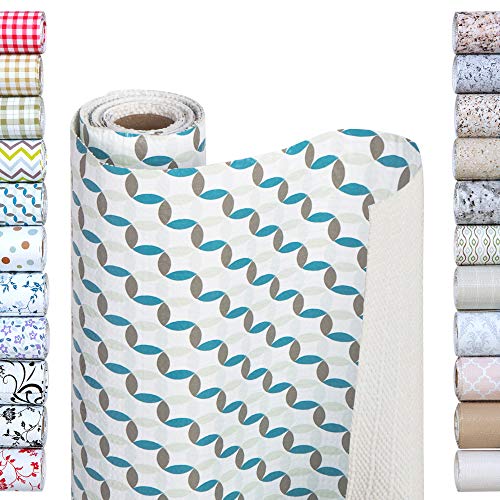
The Smart Design mat excels because it is engineered for larger surface areas, making it perfect if you have a dedicated winding station. Its unique grid pattern provides multi-directional resistance, which is ideal for winders that tend to vibrate in a circular motion.
I find this particularly useful for glass or polished wood surfaces where other pads might slide. It creates a vacuum-like seal that keeps the winder firmly in place, even when you are winding at a fast, steady pace.
It is a bit more rigid than standard shelf liners, which is a benefit for stability but means it doesn’t fold as easily. For a permanent spot on your craft table, however, it is a superior choice.
B&C Home Goods Silicone Mat: Best For Precision
Silicone mats are a game-changer for knitters who need absolute precision and zero movement. Because silicone is naturally "tacky" without being adhesive, it grips both the winder and the table surface with a level of intensity that foam liners cannot match.
This is the best choice for those using high-end, precision winding equipment where even a millimeter of movement can affect the tension of your yarn cake. It also doubles as a fantastic surface for blocking small swatches or organizing your notions.
While it is the most expensive option, the longevity and performance of silicone are superior. If you are serious about your fiber prep, this is a tool worth adding to your kit.
Why Stability Matters When Using Yarn Winders
Stability isn’t just about convenience; it is about the health of your yarn. When a winder shifts or wobbles, it creates uneven tension, which can lead to stretched fibers or tangles during the actual knitting process.
Consistent tension is the secret to a professional-looking finished garment, especially when working with delicate fibers like alpaca or silk. If your winder is moving, your yarn density is changing, which can manifest as unwanted variations in your stitch gauge.
By anchoring your winder, you ensure that the center-pull cake is uniform from the core to the outer edge. A stable winder is essentially the first step in ensuring your future stitches are even and beautiful.
How To Measure Your Winder Base For Best Grip
Before purchasing a pad, you must measure the footprint of your winder base, including the clamp mechanism. Most people make the mistake of only measuring the "feet" of the winder, forgetting that the clamp often extends beyond the base.
I suggest cutting your nonslip pad to be at least one inch larger than the entire footprint of the winder. This creates a "buffer zone" that prevents the winder from tipping if you accidentally pull the yarn too hard.
Always check the thickness of your pad against the throat depth of your clamp. If the pad is too thick, your clamp might not be able to open wide enough to secure the winder to the table.
Common Mistakes When Setting Up Yarn Winders
The most common error I see is setting up a winder on a surface that is too slick, like a glass coffee table, without proper padding. Even the best winder will struggle on a smooth surface, leading to frustration and potential damage to your furniture.
Another mistake is failing to clean the surface of the table and the bottom of the winder before setting up. Dust, pet hair, and fiber debris act like ball bearings, significantly reducing the effectiveness of even the best nonslip pads.
Finally, avoid over-tightening your clamp. If your winder is properly stabilized with a high-quality pad, you shouldn’t need to crank the clamp so hard that it dents your table or cracks the winder’s plastic base.
Cleaning And Maintaining Your Nonslip Surfaces
Nonslip pads work by creating friction, but that friction is easily compromised by the lint and oils that naturally occur in a knitting room. To keep your pads grippy, wash them periodically with mild dish soap and warm water.
Avoid using harsh chemicals or abrasive sponges, as these can degrade the rubberized coating of the pads. Simply rinse them, let them air dry completely, and they will regain their original "tackiness."
If a pad becomes too damaged or loses its grip despite cleaning, don’t hesitate to replace it. A few dollars spent on a fresh pad is a small price to pay to protect your expensive yarn and your sanity during a long winding session.
Investing in a quality nonslip pad is a small but vital step toward professionalizing your knitting workflow. By choosing the right material for your specific winder and workspace, you eliminate the distractions that keep you from your craft. Take the time to stabilize your setup, and you will find that your winding sessions become far more efficient and enjoyable. Happy winding, and may your yarn cakes always pull smoothly from the center.