6 Best Thread Snips For Quick Trim Work Worth Using
Discover the top 6 thread snips for precision trimming. This guide evaluates durability, blade sharpness, and ergonomic design to improve your sewing workflow.
Every knitter knows that the rhythm of a project is easily broken by a dull pair of snips that chew through yarn instead of slicing it cleanly. Whether you are finishing a complex lace shawl or trimming ends on a colorwork sweater, the right tool makes the difference between a professional finish and a frayed mess. These six options represent the gold standard for quick, precise trimming in any fiber arts studio. Investing in quality cutting tools is just as important as choosing the right wool for your next heirloom piece.
Gingher 4-Inch Knife Edge Thread Nippers


Gingher is a name synonymous with heritage quality, and their 4-inch nippers are a staple in many professional sewing kits. The knife-edge grind is what sets these apart, allowing for an incredibly smooth cut that doesn’t pinch the fiber.
If you are working with slippery luxury fibers like silk or bamboo blends, these nippers excel at providing a clean cut without sliding away. The tension is consistently tight, meaning they won’t lose their cutting power after a few months of heavy use.
However, be aware that these are heavy-duty tools. They feel substantial in the hand, which is great for durability but might feel slightly bulky if you prefer a minimalist notions bag.
Havel’s Sewing Snips for Precision Trimming

Havel’s has built a reputation on sharpness, and their snips are often the first choice for detail-oriented knitters. The blades are exceptionally thin, making them ideal for getting into tight spaces when you need to weave in ends on intricate stranded colorwork.
The ergonomic design is a major win for those who experience hand fatigue during long finishing sessions. Because they require very little pressure to actuate, your hands stay comfortable even when you have dozens of ends to trim on a complex garment.
Keep in mind that these blades are very fine and can be prone to misalignment if dropped on a hard floor. Treat them as a precision instrument rather than a "toss in the bag" utility tool.
Fiskars Micro-Tip Scissors for Fine Detail

Fiskars is a household name for a reason: they offer reliable consistency at a price point that makes sense for most makers. The Micro-Tip scissors are particularly useful for knitters because the pointed ends allow you to isolate a single strand of yarn without nicking the surrounding stitches.
These are excellent for trimming floats in stranded knitting where you need to get close to the fabric surface. The handle design is forgiving, fitting various hand sizes comfortably.
While these aren’t traditional "nippers," their scissor-style action provides more control for those who find the spring-loaded action of nippers a bit unpredictable. They are a fantastic all-rounder for any project bag.
Clover Thread Snips with Protective Cap
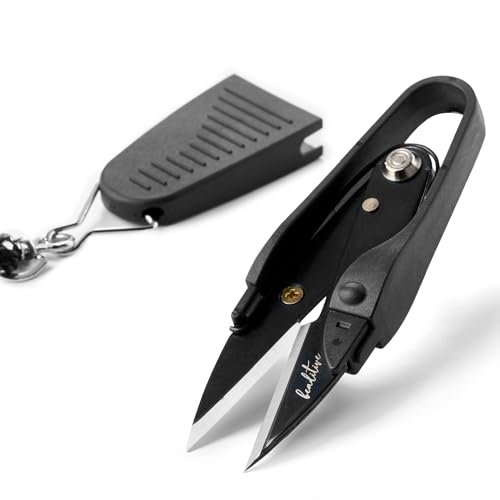
Clover is famous for thoughtful design, and their thread snips are no exception. The standout feature here is the included protective cap, which makes these the safest choice for travel knitting or keeping in a notions pouch.
The blades are sharp enough to handle everything from delicate fingering weight wool to thicker worsted yarns. The spring action is light and responsive, allowing for quick, repetitive snips without much effort.
If you are prone to losing your tools or if you carry your knitting in a crowded bag, the cap is a game-changer. It prevents the blades from snagging on your yarn or dulling against other metal accessories.
Kai 4-Inch Professional Embroidery Snips

Kai tools are engineered with a level of precision that feels almost surgical. These embroidery snips are a favorite among those who demand a perfectly clean, flush cut every single time.
The steel quality is superior, holding its edge significantly longer than standard craft-store alternatives. This makes them a wise long-term investment for someone who finishes many garments throughout the year.
Because they are so sharp, they can feel a bit intimidating to beginners. Use them with care; they are designed for yarn and thread, not for cutting paper or heavy plastic, which will dull the edge instantly.
Dritz Deluxe Seam Ripper and Thread Snip

This is a clever two-in-one tool that saves space in your project bag, which is a massive benefit for knitters who like to stay organized. While the seam ripper is a lifesaver for fixing mistakes, the integrated snip is surprisingly capable for quick trims.
This tool is ideal for the "on-the-go" knitter who doesn’t want to carry a full kit. It handles basic yarn trimming tasks with ease and keeps your workspace clutter-free.
Don’t expect the same level of professional precision as the dedicated Gingher or Kai tools. This is a utility-first piece that trades a bit of finesse for maximum convenience.
Why Sharp Snips Are Vital for Fiber Arts
Using dull snips is a recipe for frustration, especially when working with high-twist yarns or delicate mohair. A dull blade pulls at the fibers rather than slicing them, which can lead to unsightly "halo" fraying or broken strands.
Clean cuts are essential when you are weaving in ends, as they ensure the yarn tail stays uniform and secure. If your snips are chewing the end of your yarn, that frayed tail is more likely to work its way out of the fabric over time.
Think of your snips as an extension of your knitting needles. Just as you wouldn’t use a bent needle to work a delicate lace pattern, you shouldn’t use a dull cutter to finish your hard-earned work.
How to Maintain Your Snips for Longevity
The number one rule for maintaining snips is to never, ever use them on anything other than fiber. Cutting paper, wire, or even plastic tags will create micro-nicks in the blade that ruin their ability to slice yarn cleanly.
If your snips feel "sticky," a tiny drop of sewing machine oil at the pivot point can work wonders. Wipe away any excess oil thoroughly before using them on your knitting to ensure no residue transfers to your yarn.
Store your snips in a dry environment. Humidity can lead to microscopic corrosion on the blades, which increases friction and leads to a duller feel over time.
Choosing Between Nippers and Small Scissors
Nippers are generally preferred for high-volume work because the spring-loaded action allows for rapid, one-handed operation. If you are finishing a sweater with dozens of ends, the efficiency of nippers is hard to beat.
Small scissors, on the other hand, offer more control and versatility. They are often better for delicate tasks where you need to see exactly where the blade is positioned before you commit to the cut.
Ultimately, it comes down to hand comfort and the specific project. Try both styles to see which motion feels more natural to your grip and your knitting rhythm.
Safety Tips for Storing Your Cutting Tools
Always prioritize a dedicated home for your snips, whether that is a small pocket in your knitting bag or a magnetic notions tin. Loose blades in the bottom of a bag are a hazard to both your hands and your yarn.
If you are traveling, a protective sheath or the original packaging is non-negotiable. It keeps the blades clean, sharp, and away from your fingers when you are reaching into your bag mid-commute.
Finally, keep your cutting tools away from the reach of children and pets. Sharp snips are essential for your craft, but their high-performance edges require a level of respect and careful handling at all times.
Selecting the right snips is a personal journey that depends on your hand size, your preferred yarn weight, and how much finishing work you do. By choosing a high-quality tool and maintaining it with care, you ensure that your final steps are as enjoyable as the knitting itself. May your ends be short, your cuts be clean, and your projects be finished with the precision they deserve. Happy knitting, and may your notions bag always be ready for the next cast-off.