
7 Best Fiber Wash Soaps For Hand Knits To Use
Keep hand knits soft and fresh with these 7 top-rated fiber washes. Learn which gentle formulas best preserve delicate yarns and protect your favorite pieces.
You have spent weeks meticulously knitting a garment, so why risk its longevity with a harsh supermarket detergent? Choosing the right fiber wash is the final, critical step in the creative process that ensures your hard work retains its shape and softness. These specialized soaps are formulated to nourish protein fibers rather than strip them of their natural protective oils. Proper care today means your hand-knits will remain heirlooms for decades to come.
Eucalan Delicate Wash: The Best Overall Choice
Eucalan is the gold standard for a reason: it is a no-rinse, pH-neutral formula that is incredibly easy to use. It contains essential oils like eucalyptus or lavender, which act as a natural moth deterrent—a huge bonus for those of us storing wool sweaters during the summer months.
Because it is a no-rinse formula, you avoid the unnecessary agitation of repeatedly dunking your delicate lace or heavy cables into water. Less handling means less risk of accidental felting or stretching, especially with high-twist yarns that are prone to distortion.
The bottom line is that Eucalan is the most reliable "set it and forget it" option. If you are a busy knitter who wants a safe, effective product that protects your investment without extra steps, this is your go-to bottle.
Soak Wash: Best Rinse-Free Formula for Knits
Soak is perfect for the knitter who values speed and convenience without sacrificing fiber health. It is specifically designed to be gentle enough for delicate items and effective enough to remove perspiration and dust from everyday wear.
The rinse-free aspect is a lifesaver when you are blocking a massive, heavy wool blanket or a sweater with a high yardage count. Rinsing heavy, saturated wool is physically taxing and often leads to the garment stretching under its own weight; Soak eliminates this entire phase of the process.
While some purists argue that you should always rinse, modern surfactants in Soak are safe to leave in the fibers. It leaves your knits smelling clean—not overly perfumed—and feeling soft against the skin.
Kookaburra Wool Wash: Best for Delicate Fibers
Kookaburra is a tea tree oil-based wash that is exceptionally good at deodorizing and conditioning. It is a fantastic choice if you have acquired vintage yarn or are cleaning a thrifted wool sweater that needs a little extra help to feel "new" again.
The natural properties of tea tree oil provide a gentle, antimicrobial cleaning action. This makes it ideal for items that might have been sitting in storage or for garments that have been worn frequently against the skin, where body oils tend to accumulate.
Be mindful that it has a distinct, medicinal scent when you first use it. However, this dissipates entirely once the garment is dry, leaving behind only the natural, clean scent of well-cared-for wool.
The Laundress Wool & Cashmere: Best for Luxury
When you have invested in high-end fibers like cashmere, mohair, or silk blends, you want a wash that feels as sophisticated as the yarn itself. The Laundress provides a premium cleaning experience that focuses on preserving the loft and drape of expensive luxury fibers.
This wash is particularly effective at removing the microscopic dirt particles that can dull the luster of silk or cause cashmere to feel slightly "scratchy" over time. It is a concentrated formula, meaning a little bit goes a long way, which helps justify the higher price point.
If you are blocking a delicate lace shawl made of silk-mohair, this is the wash I recommend. It maintains the fiber’s natural sheen and ensures that the halo of the mohair remains fluffy rather than matted.
Outback Gold Wool Wash: Best for Raw Natural Wool


Outback Gold is a heavy-duty, concentrated solution that contains lanolin, making it the premier choice for raw or minimally processed wool. If you spin your own yarn or work with breed-specific, rustic wools, this product helps restore the "life" to the fiber.

Many rustic wools lose their natural lanolin during the spinning or milling process, which can make them feel brittle. By using a wash that replenishes this natural wax, you keep the wool supple and resistant to moisture.
It is arguably too heavy for fine, super-soft luxury fibers, but for a sturdy Icelandic sweater or a pair of hard-wearing wool socks, it is unparalleled. It turns a scratchy, stiff hand-knit into a garment that feels broken-in and cozy.
Unicorn Fibre Wash: Best for Deep Cleaning Fibers
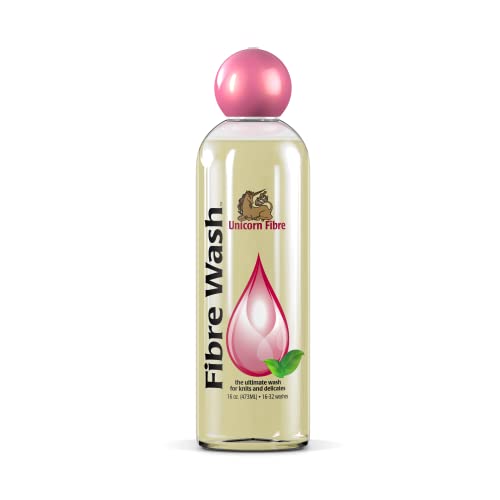
Unicorn Fibre Wash is a powerhouse when you need to remove stubborn oils, grease, or dirt from your projects. It is a professional-grade cleaner that is often used by fiber artists who process their own fleeces, but it works wonders on finished hand-knits as well.
Because it is so effective at deep cleaning, it is the best choice for garments that have been worn heavily or for those that have picked up environmental odors. It rinses clean very quickly, which is a significant advantage when you are dealing with bulky items.
Use this sparingly for your everyday knits, but keep it in your kit for those "deep clean" sessions. It is the most effective way to reset a fiber’s texture after a long season of heavy use.
Twig & Horn Wool Soap: Best for Gentle Cleansing
Twig & Horn is a minimalist, castile-based soap that is crafted specifically with the knitter in mind. It is incredibly gentle, making it a safe choice for those with sensitive skin who might react to the fragrances found in other commercial washes.
Because it is a traditional soap rather than a synthetic detergent, it is biodegradable and very low-impact. It cleans effectively without leaving any residue that might attract dirt or weigh down the delicate stitches of a fine-gauge cardigan.
This is the perfect choice for the knitter who prefers natural ingredients and wants to keep their washing routine as simple as possible. It is a steady, reliable performer that respects the integrity of the wool.
Why Specialized Fiber Wash Beats Regular Detergent
Standard laundry detergents are designed to break down tough stains, often using enzymes like proteases that literally "eat" protein. Since wool, alpaca, and silk are protein fibers, regular detergent will slowly dissolve your garment from the inside out.
- pH Balance: Wool thrives in a neutral pH environment; standard detergents are often alkaline, which causes fibers to swell and eventually felt.
- Lanolin Preservation: Specialized washes are formulated to protect the natural oils in wool, keeping them soft and water-resistant.
- Residue: Regular soaps often leave behind optical brighteners or perfumes that can irritate the skin and dull the natural color of your yarn.
Using the right wash ensures that your gauge remains consistent over the life of the garment. If you use a harsh detergent, your sweater may lose its elasticity and begin to sag or shrink unevenly, ruining the fit you worked so hard to achieve.
How to Properly Soak and Block Your Hand Knits
The process starts with a basin of cool water and a small amount of your chosen fiber wash. Gently submerge your garment, pushing it down into the water—never agitate or scrub it, as this friction is the primary cause of felting.
Let the piece soak for at least 15 to 20 minutes to allow the fibers to relax and the soap to lift away any dirt. Once soaked, gently lift the garment out and support its weight; never let a heavy, wet sweater hang by its own weight, as it will stretch beyond repair.
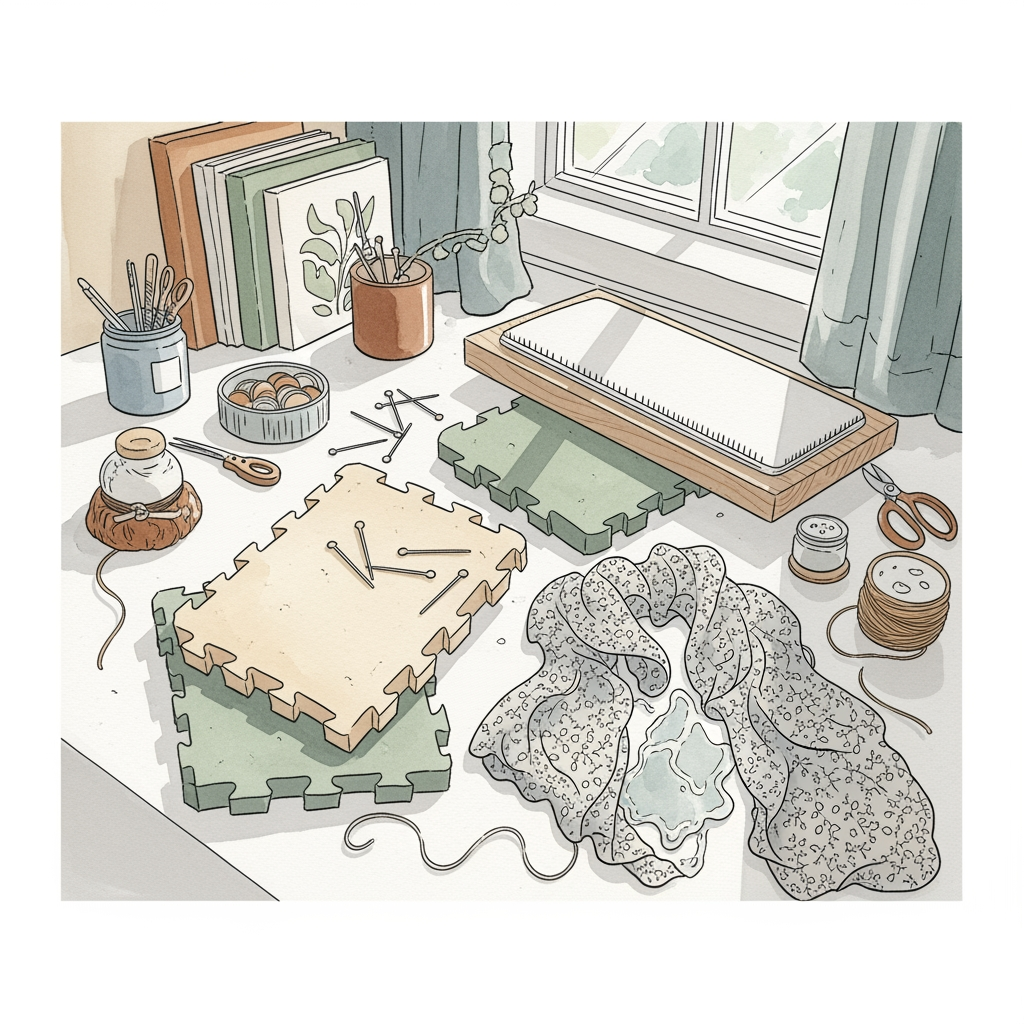
Roll the garment in a clean, dry towel like a burrito and press firmly to remove excess moisture. Finally, lay it flat on a blocking mat or a clean, dry surface, shaping it to your desired measurements and pinning if necessary.
Essential Tips for Preserving Your Woolen Garments
Always store your hand-knits clean, as moths are attracted to the salt and oils found in perspiration. If you aren’t wearing your woolens, keep them in breathable cotton bags or airtight bins with cedar blocks to prevent damage.
Avoid the temptation to over-wash your items; wool is naturally antimicrobial and often just needs an airing out on a breezy day. When you do wash, always match the water temperature to the temperature of the rinse to prevent thermal shock, which can cause fibers to shrink.
Finally, keep a record of the yarn you used and its care instructions. Not all wool is created equal, and knowing whether your project is superwash or untreated wool will dictate how often and how vigorously you should clean it.
Taking care of your hand-knits is just as important as the knitting itself, transforming a temporary project into a permanent piece of your wardrobe. By choosing a specialized fiber wash, you are investing in the longevity and integrity of your stitches. Treat your wool with respect, and it will keep you warm and stylish for years to come. Happy knitting, and may your blocking always be perfectly square.
