
7 Best Spray Starches For Structured Brims Reviewed
Stiff brims require the right product. We review 7 top spray starches to help you achieve a crisp, professional hold and lasting structure for your headwear.
Achieving the perfect, crisp brim on a hand-knitted hat is the difference between a project that looks homemade and one that looks artisanal. When you spend hours on intricate stitch patterns, the final blocking stage determines how those stitches sit under the light. Starch provides the structural backbone necessary to keep your brim from drooping or losing its intended silhouette. Choosing the right product is essential to ensuring your hard work holds its shape through a full season of wear.
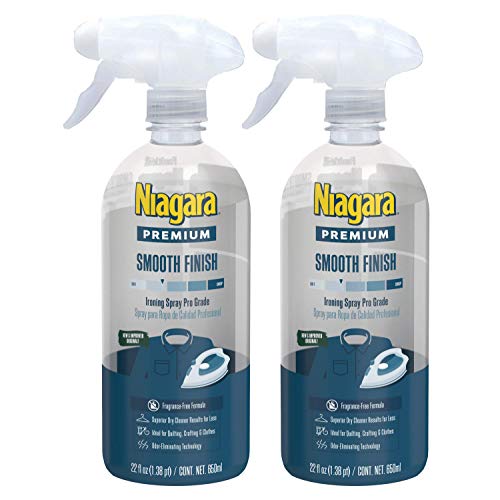
Niagara Original Strength: Best for Natural Fibers


Niagara is a classic for a reason, particularly when you are working with plant-based fibers like cotton or linen. These fibers are notorious for relaxing over time, and this starch provides just enough body to keep a brim from sagging without making it feel like cardboard.
It is particularly effective if you are knitting summer hats or sun-visors where breathability remains a priority. Because it is a lighter-weight starch, it won’t clog the space between your stitches, allowing the natural drape of the fiber to shine through while still providing hold.
The downside is that it lacks the aggressive stiffness required for complex, wide-brimmed designs. If you need a structural miracle, look elsewhere; if you need a gentle nudge to keep a brim crisp, this is your go-to.
Faultless Heavy Hold: Best for Rigid Hat Brims

When you have invested time into a hat with a wide, dramatic brim, you need a product that fights gravity. Faultless Heavy Hold is my recommendation for those structural pieces that need to stand up to the elements and maintain a sharp, architectural edge.
This spray is significantly more concentrated than standard laundry starches. It creates a film that effectively "locks" the stitches in place, which is perfect for hats made with wool that might otherwise soften up in humid weather.
Be warned: this stuff is potent. If you over-apply, you risk creating white, flaky residue that can ruin the appearance of dark-colored yarns. Always test it on a swatch first to ensure it doesn’t dull the vibrancy of your fiber.
Mary Ellen’s Best Press: Best for Delicate Yarns
If you are working with luxury fibers like silk blends, angora, or fine alpaca, you want to avoid harsh chemicals that might strip the natural oils from the yarn. Mary Ellen’s Best Press is a starch alternative that focuses on crispness without the stiffness of traditional heavy starches.
It provides a clean, professional finish that makes your stitch definition pop, especially in complex cables or lace brim patterns. It is incredibly gentle, meaning you are far less likely to cause permanent damage to your delicate fibers during the blocking process.
While it is excellent for finishing, it does not provide the same structural "armor" as a heavy-duty spray. Use this when you want a polished, clean look rather than a rigid, sculptural shape.
Sta-Flo Liquid Starch: Best for Custom Mixing

Sta-Flo is a concentrated liquid, which gives you the ultimate control over the level of stiffness you want to achieve. By diluting it with water, you can create a custom solution that fits the specific needs of your project’s gauge and fiber content.
This is the preferred method for advanced knitters who are "blocking by immersion." By soaking the brim in a specific ratio of starch and water, you ensure that the product penetrates every ply of the yarn, resulting in a much more uniform and durable hold than a surface spray.
The learning curve here is steeper, as you must experiment with ratios to find the "sweet spot" for your yarn. However, for large-scale projects or consistent production, this is the most economical and reliable method available.
Acapella Fabric Stiffener: Best for Heavy Shapes

Sometimes, a brim needs to be more than just stiff; it needs to be structural. Acapella is technically a stiffener rather than a simple spray starch, making it the ideal choice for hats that feature wire inserts or extremely wide, flat brims.
It dries clear and creates a very firm, almost plastic-like finish that will not yield to wind or gravity. This is the product to reach for when you are constructing a hat that needs to function more like a piece of millinery than a cozy winter accessory.
Because it is so effective, it can make your knitting feel somewhat stiff to the touch. Use this sparingly and only on the areas of the brim that absolutely require the most support to avoid losing the soft, tactile quality of your hand-knit fabric.
Grandma’s Secret Starching Spray: Best for Detail

Grandma’s Secret is a fantastic choice for hats that feature delicate picot edges, scalloped brims, or intricate lace motifs. It provides a crispness that highlights the fine details of your stitch work without adding excessive weight.
I find this spray particularly useful when blocking hats that have been worked at a very tight gauge. It manages to penetrate the dense fabric without leaving behind a "crusty" texture, which is a common complaint with heavier starches.
It is a great middle-ground product that offers more hold than a light spray but less rigidity than a heavy-duty stiffener. It’s a reliable staple to keep on your shelf for those projects where you want a clean, professional finish on small, fiddly details.
Sprayway Good Night Starch: Best All-Rounder
If you are looking for a reliable, easy-to-use product that performs well across a variety of wools and blends, Sprayway is an excellent choice. It offers a consistent, medium-hold finish that works for the vast majority of standard hat patterns.
It sprays evenly and dries quickly, which is a massive benefit when you are blocking multiple hats at once. It doesn’t have the heavy, chemical scent of some other brands, making it much more pleasant to work with in a small studio space.
It is the "workhorse" of the bunch: not too light, not too heavy, and rarely prone to flaking. If you aren’t sure what your project needs, start here; it is the most forgiving option for those who are still learning how to balance structure and drape.
Why Structured Brims Require Specific Starching
A brim is the most exposed part of any hat, subjected to wind, body heat, and constant handling. Unlike the crown of a hat, which relies on the stretch of the knitting to sit comfortably on the head, the brim must resist the urge to curl or collapse.
Knitted fabric is inherently elastic, which is wonderful for fit but detrimental to structure. Even if you knit at a very tight gauge, the weight of the yarn will eventually cause the brim to lose its shape without the addition of a stiffening agent.
Starching creates a temporary bridge between the loops of your knitting. By filling the gaps in the fabric, the starch prevents the stitches from shifting, effectively turning your soft yarn into a rigid, sculptural element that maintains the design intent of your pattern.
How to Apply Starch Without Staining Your Fiber
The biggest fear for any knitter is staining their beautiful hand-dyed yarn with a chemical spray. To avoid this, always hold the spray nozzle at least 8 to 10 inches away from the fabric, moving in a continuous, sweeping motion rather than focusing on one spot.
If you are concerned about potential discoloration, test a small, inconspicuous area on the inside of the brim first. Allow it to dry completely before checking to see if the color has shifted or if a white residue has formed.
Never apply starch to a dirty hat; oils from your hands or skin can react with the starch and create permanent spots. Always ensure your project is freshly laundered and completely dry before you begin the starching and blocking process.
Essential Tips for Blocking and Shaping Brimmed Hats
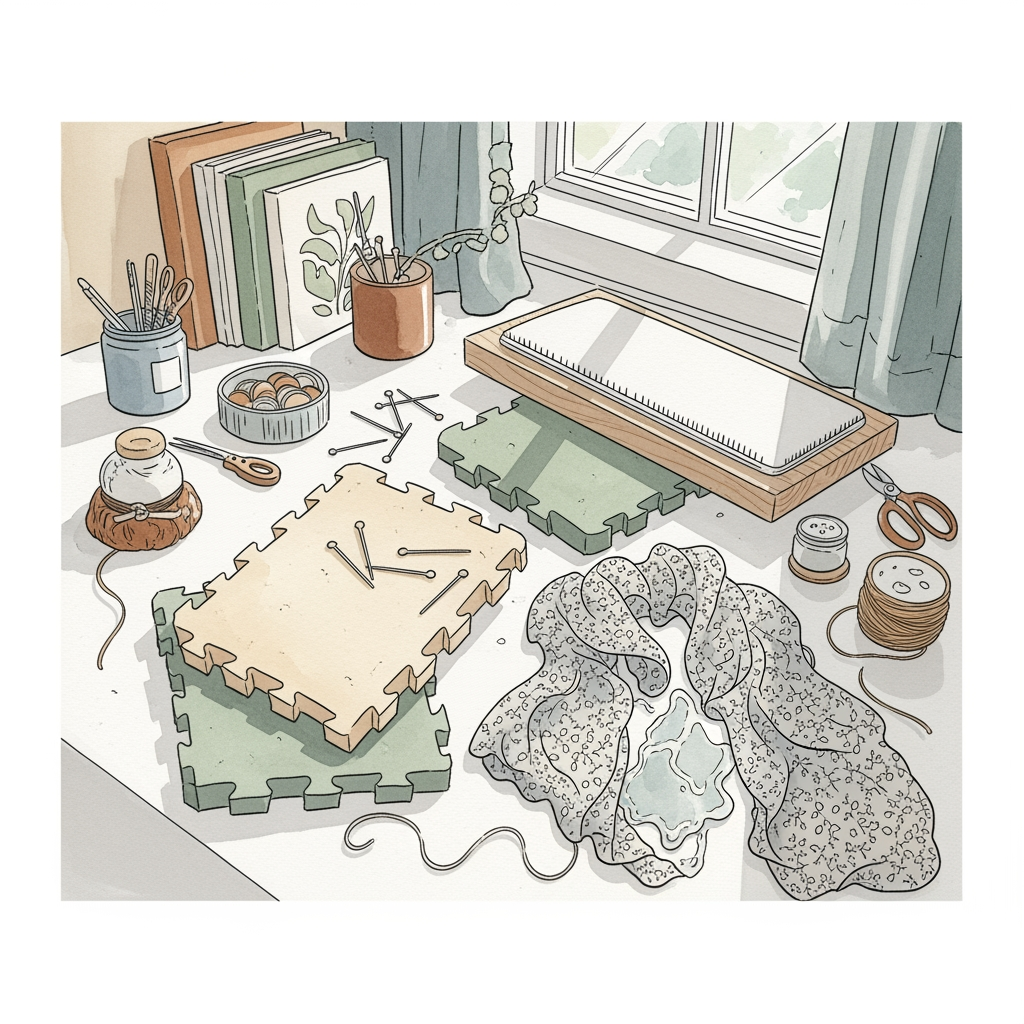
Blocking is where the magic happens, but it requires patience and the right tools. Use non-rusting T-pins to secure your brim to a blocking board or a foam mat, ensuring the edges are perfectly circular or shaped as your pattern dictates.
If you are aiming for a flat, wide brim, use a circular template or a plate to guide your shape while pinning. This ensures that the tension is even all the way around, which prevents the brim from looking "wavy" or uneven once the starch has dried.
Finally, let the piece dry naturally in a cool, well-ventilated area. Using a hairdryer or heat source can cause the starch to set unevenly or even damage certain synthetic fibers, so resist the urge to speed up the process.
Mastering the art of starching will transform your hat-making from a simple craft into a professional pursuit. Remember that the goal is to enhance the structure of your knitting without sacrificing the integrity of the fiber itself. Take your time with the blocking process, and don’t be afraid to experiment with different products to find what works best for your specific style. With the right technique, your structured brims will remain crisp, beautiful, and ready for any occasion.
