6 Best Felting Needles For Seamless Repairs To Use
Discover the 6 best felting needles for seamless repairs. This guide highlights essential tools to help you restore your wool projects with professional ease.
Every knitter knows the heartbreak of finding a snag or a dropped stitch in a beloved hand-knit garment. Needle felting is the ultimate "invisible" repair technique, allowing you to graft fiber back into place without leaving a bulky seam. Choosing the right tool is the difference between a seamless restoration and a matted, damaged mess. Here are the six best felting needles to keep in your repair kit to ensure your projects last a lifetime.
Clover Pen Style Needle Tool: Best for Precision


When you are performing delicate repairs, like fixing a small moth hole in a fine-gauge cardigan, you need total control. The Clover Pen Style tool is designed to mimic the grip of a writing instrument, which is a game-changer for hand fatigue.
Because it is ergonomic, you can spend time carefully coaxing fibers back into the knit structure without your hand cramping. It holds three needles, but I highly recommend removing two for single-needle precision work.
The main trade-off here is the plastic housing, which isn’t as indestructible as a solid metal tool. However, for the precision required in garment repair, this is the gold standard for comfort and accuracy.
Groz-Beckert Felting Needles: The Industry Gold

Groz-Beckert is a German manufacturer that sets the benchmark for industrial-grade quality. These needles are remarkably consistent, meaning you won’t find the manufacturing defects that often plague cheaper, mass-produced alternatives.
If you are working with high-end fibers like cashmere or alpaca, you want a needle that won’t shred the delicate yarn. These needles have a smooth, uniform barb structure that grabs fiber gently but effectively.
They are an investment, but they last significantly longer than generic needles. When you are working on a project that took you fifty hours to knit, you don’t want to risk it with a sub-par tool.
Schmetz Felting Needles: Top Choice for Repairs

Schmetz is a name most knitters recognize from their sewing machine needles, and their felting line is equally reliable. They are specifically engineered to penetrate dense fabrics with minimal resistance.
When you are repairing a thick, worsted-weight wool sweater, you need a needle that can punch through the fabric without bending. Schmetz needles have a high degree of temper, providing the perfect balance of flexibility and strength.
They are particularly good for "blending" repairs into existing stitch patterns. Use these when you need to anchor a loose end or fill a thin spot in a heel or elbow.
Ashford Felting Needles: Ideal for Wool Fibers
Ashford is a staple in the spinning and weaving community, and their needles are designed with the natural properties of wool in mind. They are exceptionally good at catching the scales of sheep’s wool to lock them into your repair.
If you are repairing a garment that has been felted or fulled, these needles are your best friends. They are aggressive enough to pull fibers through dense, matted fabric without causing unnecessary surface distortion.
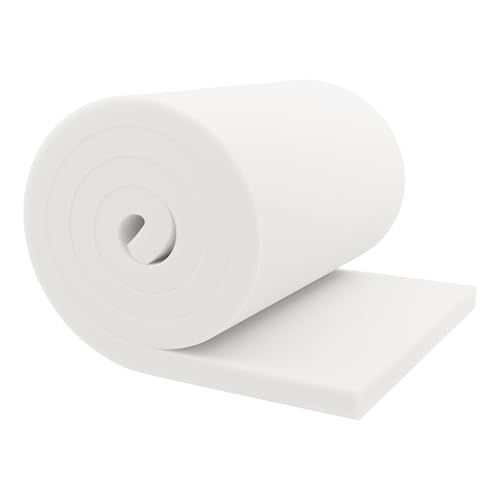
Keep in mind that these are quite sharp. Always work on a foam mat or a piece of dense upholstery sponge to protect your work surface and your own fingers.
Hamanaka Regular Felting Needles: Best for Ease

Hamanaka needles are often favored for their "forgiving" nature. If you are new to the world of needle felting repairs, these are less likely to snap under pressure compared to more rigid industrial needles.
They are incredibly smooth, which helps prevent the needle from snagging on the yarn you are trying to repair. This makes them perfect for fixing "thinning" areas in socks or mittens where the fiber is wearing down but hasn’t yet created a hole.
While they may not last as long as a Groz-Beckert, they are very affordable. They are a great "entry-level" choice for those who are nervous about poking a hole in a finished garment.
Bear Creek Felting Needles: Best for Durability
Bear Creek needles are the workhorses of the felting world. They are known for their exceptional durability and resistance to snapping, even when working at awkward angles.
Repairing a garment often requires working from the inside out or in tight spaces like a sleeve cuff. These needles hold up to the stress of bending and twisting better than almost any other brand on the market.
If you find yourself frequently snapping needles, switch to Bear Creek. They are the most robust option for knitters who might be a bit heavy-handed with their repair work.
Understanding Felting Needle Gauges and Sizes

Needle gauges function similarly to knitting needle sizes, but in reverse: the higher the number, the finer the needle. A 32-gauge needle is thick and coarse, while a 42-gauge needle is incredibly fine.
For most knit repairs, a 36-gauge or 38-gauge needle is the "sweet spot." They are fine enough to not leave visible holes in your knitting, but strong enough to move fiber effectively.
Avoid using coarse needles on fine-gauge yarn. You will end up pulling the yarn strands apart rather than felting them, which creates a larger hole than the one you started with.
How to Match Needle Barbs to Your Fiber Project
The barbs on a felting needle act like tiny hooks that pull the fiber into the fabric. The more barbs a needle has, the faster it will felt, but the more damage it can potentially cause to the surrounding structure.
For delicate repairs, look for "fine" or "finishing" needles with fewer or smaller barbs. These allow you to work slowly and deliberately, ensuring the repair blends seamlessly into the original stitches.
If you are repairing a thick, heavy-weight wool, you can move up to a needle with more aggressive barbs. Always test your needle on a swatch or an inconspicuous area of the garment before diving into the main repair.
Essential Safety Tips for Using Felting Needles
Felting needles are essentially barbed spikes, and they are notoriously sharp. The most important rule is to never hold the garment in your hand while felting.
Always place a piece of high-density foam behind the area you are repairing. This prevents the needle from hitting your fingers or damaging the table underneath your work.
If you are working on a small item like a sock, use a wooden darning mushroom or a rolled-up towel inside the garment. This creates a solid backing for the needle to hit once it passes through the fabric.
Troubleshooting Common Felting Repair Mistakes
The most common mistake is over-felting, which creates a hard, dense lump in your soft knit fabric. Stop frequently to check the texture of your repair; it should feel supple, not like a rock.
Another issue is "poking through," where the needle pulls fibers from the wrong side of the garment. This ruins the look of the "good" side, so always check the front of your work after every few stabs.
If your repair looks messy, you may be using a needle that is too thick. Switch to a finer gauge and use a "stabbing" motion that is perpendicular to the fabric to keep the repair contained and tidy.
Mastering the art of the felting repair is a superpower that will extend the life of your hand-knits for years. By choosing the right tool for your specific fiber weight and project density, you ensure that your repairs remain invisible and structural. Practice on a swatch first, keep your needles sharp, and never rush the process. Your favorite sweaters are worth the extra effort.