6 Best Swivel Scissor Sets For Yarn Trimming To Try
Discover the best swivel scissors for effortless yarn trimming. Our guide reviews six top-rated sets, focusing on ergonomic comfort and precision cutting.
A sharp, reliable pair of scissors is the unsung hero of every successful knitting project, turning messy yarn tails into clean, professional finishes. While many beginners settle for whatever kitchen shears are nearby, a dedicated pair of precision scissors transforms how you manage your gauge swatches and color changes. Choosing the right tool isn’t just about aesthetics; it’s about the clean, effortless cut that prevents frayed ends and keeps your work looking pristine. Here are six standout options that elevate the tactile experience of trimming your yarn.


Gingher 4-Inch Stork Scissors: The Classic Choice

These iconic stork-shaped scissors are a staple in sewing kits for a reason: they offer incredible point precision. The fine, sharp tips are perfect for snipping individual plies of yarn when you need to perform a delicate repair or weave in an end right at the base of a stitch.
Because the blades are slim, they can navigate tight spaces in complex lace projects without snagging nearby loops. However, their small size means they aren’t meant for heavy-duty cutting through thick, aran-weight wool. They are best reserved for fine-tuning and finishing work.
The bottom line? If you value tradition and need a tool that can get into the smallest nooks of your knitting, the Gingher Stork is your go-to.
Cohana Seki Mini Scissors: Premium Japanese Steel
Cohana tools are designed for the knitter who appreciates the intersection of traditional craftsmanship and modern ergonomics. These mini scissors are forged in Seki, Japan, a city famous for its sword-making history, and the sharpness of the steel is immediately apparent.
The blades are incredibly smooth, providing a "silky" cut that glides through even high-twist merino or delicate silk-mohair blends. This prevents the "chewing" effect that duller scissors often leave on softer fibers, which can lead to pilling later on.
While they come at a premium price, the longevity of the edge is unmatched. If you invest in high-end, hand-dyed yarns, these scissors ensure you aren’t damaging your precious materials during the final trim.

Dritz Folding Scissors: Best for Travel Knitting
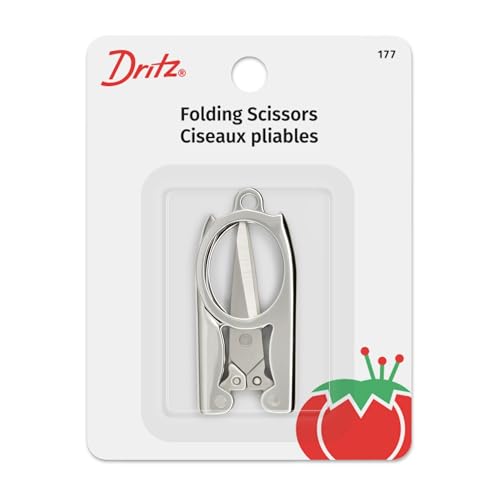
When you are knitting on a plane or in a crowded cafe, standard scissors can be a liability or a TSA concern. Dritz folding scissors collapse into a compact, safe shape, making them the ultimate companion for your project bag.
The folding mechanism is surprisingly sturdy, and they lock securely into place when opened. They are sharp enough to handle sport and worsted weight yarns with ease, though they aren’t intended for heavy-duty snips.
The tradeoff here is ergonomics; because they are small and fold, they don’t offer the same grip as a full-sized pair. They are perfect for your travel kit, but you might prefer something more substantial for long sessions at your knitting desk.
Fiskars 5-Inch Precision Scissors: Best Value Set

Fiskars is a household name for a reason: their consistency and durability are hard to beat for the price. These 5-inch scissors are a workhorse, offering a comfortable handle that accommodates different finger sizes well.
The blades are robust enough to cut through multiple strands of yarn or even thicker wools without hesitation. If you are a beginner looking for one pair of scissors to handle everything from bulky blankets to light sweaters, this is the most practical choice.
They might lack the "heirloom" aesthetic of other options, but they offer the most reliable performance for your dollar. You won’t feel guilty tossing them in a bag or leaving them on your coffee table.
Singer Vintage Style Scissors: Durable Crafting
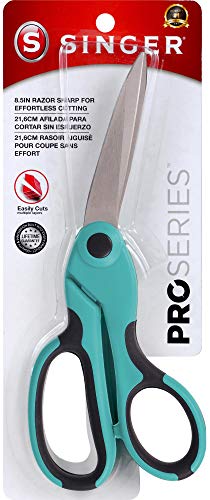
Singer’s vintage-style scissors combine a classic look with modern steel manufacturing. They feel substantial in the hand, which helps if you struggle with the tiny, flimsy handles found on cheaper craft scissors.
The weight of these scissors provides a sense of control that is helpful when you are working on large-scale projects like sweaters or blankets. They provide a clean, decisive cut that makes trimming long yarn tails feel satisfying rather than tedious.
If you prefer a tool that feels solid and doesn’t slip during use, these are an excellent balance of style and function. They are built to last through years of frequent, daily use.
Merchant & Mills Wide Bow Scissors: Ergonomic Cut
Merchant & Mills is known for their focus on design, and these wide bow scissors are a masterclass in ergonomics. The large finger loops allow for a natural grip, reducing hand strain if you have to do a lot of trimming after finishing a complex stranded colorwork project.
The wide bow design distributes pressure across your fingers, making them much more comfortable than standard scissors for those with arthritic hands or grip sensitivity. The blades are exceptionally sharp, ensuring that you don’t have to "force" the cut.
These are an investment in your comfort. If you spend hours weaving in ends or finishing garments, your hands will thank you for choosing a tool designed to minimize fatigue.
Why Swivel Action Matters for Precision Trimming
Swivel action—or the ability to rotate the blades easily—is critical when you are working on a garment that is already shaped. When you need to trim an end on the inside of a sleeve or a tight gusset, you rarely have the luxury of a straight-on angle.
Scissors that allow for a smooth, pivoting motion help you reach those awkward spots without twisting your wrist. This prevents the accidental snip of your project fabric or the surrounding stitches.
Ultimately, a tool that moves with you rather than against you is a tool you will use more effectively. Look for scissors where the pivot screw is tight but smooth, allowing for consistent resistance as you open and close the blades.
Essential Features to Look for in Yarn Scissors
When shopping for yarn scissors, the most important feature is the blade material. High-carbon or stainless steel holds an edge significantly longer than generic craft store metal.
You should also consider the handle size. If you are trimming ends for hours, a handle that is too small will cause cramping, while a handle that is too large will feel unstable and clumsy.
- Blade Tip: Look for fine, pointed tips for precision work.
- Handle Comfort: Ensure the loops are smooth and large enough for your fingers.
- Portability: Consider if you need a locking or folding mechanism for travel.
- Weight: Heavier scissors often provide more stability, while lighter ones are better for quick, frequent snips.
How to Properly Maintain Your Knitting Scissors
Your scissors will only be as good as the care you provide them. Never use your knitting scissors to cut paper, cardboard, or plastic, as these materials contain abrasive particles that dull the steel edge almost instantly.
Keep your scissors in a protective sheath or a dedicated notions pouch to prevent the tips from getting bent or dinged. A bent tip is nearly impossible to repair and will cause your scissors to snag on delicate fibers.
If you notice your scissors are starting to "chew" the yarn rather than slice through it, it is time for a professional sharpening. A quick trip to a local sewing shop or a professional blade sharpener can restore them to like-new condition.
Tips for Keeping Your Blades Sharp and Clean
Residue from yarn—especially mohair or sticky, unwashed wool—can build up on the blades over time. Use a soft, dry cloth to wipe down the blades after a long session to remove any fiber dust or oils.
If the blades feel "sticky," a tiny drop of sewing machine oil applied to the pivot screw can improve the action significantly. Just be sure to wipe away any excess oil thoroughly before using them on your yarn to avoid staining.
Store your scissors in a dry environment to prevent rust. If you live in a humid climate, keeping a small silica packet in your notions bag can help protect the steel from moisture damage.
Selecting the right scissors is a personal journey that depends as much on your hand comfort as it does on the weight of the yarn you prefer. Whether you opt for the classic precision of a stork scissor or the ergonomic relief of a wide-bow design, the right tool makes every project feel more professional. Take the time to find a pair that feels like an extension of your hand, and you will find your finishing work becomes a joy rather than a chore. Happy knitting, and may your yarn tails always be perfectly trimmed.