6 Best Stitch Holder Cables For Large Garments
Manage large knitting projects with ease. We review the 6 best stitch holder cables to secure your live stitches safely and maintain your garment’s shape.
Knitting a large-scale garment often feels like a race against gravity once you reach the underarm divide. Managing hundreds of live stitches on waste yarn can lead to tangled messes and missed loops that compromise your hard-earned progress. Stitch holder cables offer a secure, streamlined solution that keeps your work organized and ready to pick up at a moment’s notice. Investing in the right tools ensures your sweater remains pristine while it waits for the next phase of construction.
ChiaoGoo Stitch Holder Cables: Best Overall Pick
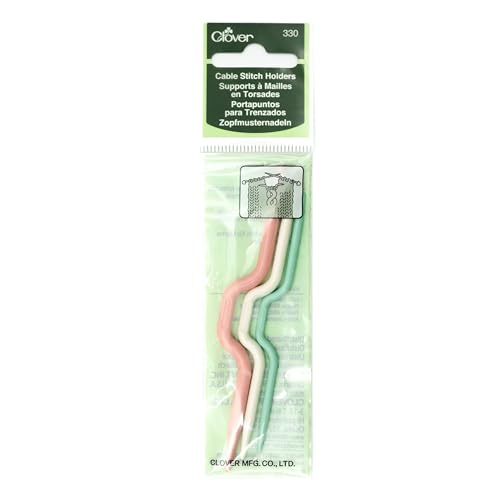

ChiaoGoo has earned its reputation through sheer consistency, and their red nylon-coated steel cables are the gold standard for most knitters. These cables strike the perfect balance between memory-free flexibility and structural integrity. They don’t kink or coil, which is essential when you are trying to maneuver a heavy sweater body.
The genius lies in the secure screw-in mechanism that attaches to your existing needle tips. Because they use the same join as the standard ChiaoGoo interchangeable sets, you can seamlessly transition from knitting to holding without moving a single stitch manually. You simply unscrew your needle tip and screw on a small end cap.
If you already own a ChiaoGoo needle set, these cables are an absolute no-brainer. They are robust enough to hold the weight of a wool-heavy aran sweater without sagging or breaking. The bottom line: they are reliable, widely available, and perform exactly as expected every single time.

CocoKnits Nylon Stitch Holding Cables: Most Durable
CocoKnits took a clever, non-traditional approach by designing cables that don’t require a needle tip to secure. You simply push the tapered end of the cable into the hollow center of your needle tip, slide the stitches over, and cap the ends. This removes the need for a threaded join, which is often the most fragile part of any cable system.
These cables are incredibly durable because they lack the mechanical joins that can strip or unscrew over time. They are particularly useful if you are prone to catching your yarn on the metal threads of interchangeable needles. The nylon material is smooth and grippy enough to keep stitches in place but slick enough to allow for easy transfers.
The main tradeoff is that you must ensure you have the correct tip size to match the cable opening. However, for long-term storage of a project, the lack of a screw-in join is a major advantage. If you tend to leave your projects in a project bag for months, these are the safest bet for preventing accidental unscrewing.
Knitter’s Pride Mindful Collection Cables: Best Grip

The Mindful Collection cables stand out because of their unique, teal-colored finish that is both aesthetically pleasing and highly functional. They feature a swivel mechanism that allows the cable to rotate independently of the needle tip. This is a game-changer for large garments, as it prevents the cable from twisting while you are working.
The grip on these cables is slightly more pronounced than on standard plastic options. This is a significant benefit if you are working with slippery fibers like silk or mohair blends. You won’t have to worry about your live stitches sliding off the cable while the garment is tucked away in your project bag.
While they are slightly stiffer than some competitors, this rigidity actually helps in managing the weight of a large sweater. The cable holds its shape, making it easier to try on your garment for fit checks. If you appreciate a tool that feels substantial and secure, this is your best choice.
Clover Interchangeable Stitch Holders: Best Value

Clover is a household name for a reason: they produce simple, accessible tools that just work. Their stitch holder system is an entry-level favorite that doesn’t sacrifice quality for the sake of price. These cables are soft, pliable, and come in a variety of lengths that are perfect for larger projects.
The simplicity of the Clover system makes it ideal for beginners who might be intimidated by complex interchangeable sets. You get a straightforward, flexible cable that attaches securely to your needles. It is a fantastic way to experiment with the benefits of cable holding without making a significant financial investment.
Do not be fooled by the lower price point; these cables are workhorses. They handle bulky yarns with ease and are less likely to snap under pressure than some of the thinner, more specialized cables. If you are on a budget but need a reliable way to hold your sweater body, start here.
HiyaHiya Small Stitch Holding Cables: Most Flexible

HiyaHiya cables are legendary in the knitting community for their incredible flexibility. They are thin, lightweight, and have almost zero memory, meaning they will never fight against you while you are trying to maneuver a heavy garment. If you find that other cables feel too stiff or cumbersome, these will feel like a breath of fresh air.
The flexibility is particularly helpful when you are working on tight underarms or narrow sleeves. Because the cable is so supple, it won’t pull on your live stitches or distort your gauge at the join. You can easily fold your garment into a compact space without the cable pushing back.
The only downside is that the very thin nature of the cable requires a bit more care during storage. You should avoid folding them sharply, as they can develop permanent kinks over time. If you prioritize maneuverability and ease of use over extreme durability, these are the best in the business.
Lykke Interchangeable Stitch Cables: Best Aesthetic

Lykke cables are designed for the knitter who appreciates beauty alongside utility. They feature a beautiful, smooth finish that complements their popular line of wooden needles. Beyond their looks, they are incredibly smooth, ensuring that your yarn glides effortlessly from the needle to the cable.
These cables are surprisingly soft, which makes them very comfortable to work with during long knitting sessions. They don’t have the "bouncy" feel of some plastic cables, which some knitters find distracting. Instead, they drape naturally, making them perfect for holding large, heavy sweater bodies.
They are a fantastic choice if you are a tactile knitter who cares about the "feel" of your tools. While they are a bit more expensive than basic options, the luxury factor is worth it if you spend hours at a time with your needles in hand. They elevate the entire knitting experience.
Why Use Cables Instead of Waste Yarn for Garments
Using waste yarn to hold stitches is a classic technique, but it has significant drawbacks compared to modern cables. When you use yarn, the stitches are essentially sitting on a soft surface that can compress or stretch your knitting. This can lead to uneven tension once you pick those stitches back up to finish your garment.
Cables, by contrast, maintain the integrity of your stitch size. Because the cable has a consistent diameter, your live stitches remain uniform, which is critical for areas like necklines or underarms where gauge consistency is paramount. You also eliminate the risk of the yarn fibers snagging on your knitting or leaving behind stray fuzz.
Furthermore, cables allow you to try on your garment mid-process without the stitches getting tangled in a mess of yarn. You can simply slide the garment onto the cables, put it on, and see exactly where you need to make adjustments. It is a much more professional and efficient way to manage your work.
How to Secure Stitch Cables to Prevent Dropped Loops
The biggest fear for any knitter is losing a live stitch while the garment is in storage. To prevent this, always use the end caps that come with your cable set. Never leave a cable open-ended, even if you think the stitches are "stuck" on the cable; gravity and movement will eventually pull them off.
For extra security, use a small rubber band or a stitch marker at the very end of the cable. If you are using a screw-in system, double-check that your end caps are tightened firmly. A common mistake is to hand-tighten them too loosely, which allows them to vibrate off inside your project bag.
Finally, consider using a slightly longer cable than you think you need. When stitches are crowded too tightly on a short cable, they are under tension and more likely to pop off the ends. Giving your stitches room to breathe on the cable is the best insurance policy against dropped loops.
Choosing the Right Length for Large Sweater Bodies
Selecting the correct cable length for a large garment is a matter of both comfort and physics. If the cable is too short, the weight of the sweater will pull on the stitches at the join, potentially causing distorted loops. If the cable is too long, the excess length can get in the way and become a tangled nuisance.
As a general rule, your cable should be slightly shorter than the circumference of the garment section you are holding. This allows the weight of the fabric to distribute evenly without putting excessive strain on the needles or the joins. For a standard sweater body, a 24-inch or 32-inch cable is usually the sweet spot.
If you are unsure, err on the side of a longer cable. You can always coil up the excess length, but you cannot make a cable longer once you are mid-project. Remember to account for the size of your needle tips in the total length calculation, as they add a few inches to the overall span.
Proper Storage Tips for Your Stitch Holding Cables
Cables are tools that deserve the same care as your expensive needle tips. Avoid storing them in direct sunlight or extreme heat, which can cause the plastic or nylon to degrade or become brittle over time. A cool, dry place is best to maintain their flexibility.
The best way to store cables is to lay them flat or loop them gently in a dedicated case. Avoid folding them into tight circles, as this can create permanent memory kinks that will make them frustrating to use later. If you have multiple cables, keep them organized by length so you aren’t digging through a pile when you need a specific size.
Treating your cables well will extend their lifespan by years. By keeping them clean and free of debris, you ensure that your yarn will slide smoothly every time you pick up a project. A little bit of organization now saves a massive amount of frustration later.
Choosing the right stitch holder cable is about matching your personal knitting style with the needs of your current project. Whether you prioritize the flexibility of HiyaHiya or the rugged reliability of ChiaoGoo, the right tool will make your sweater construction significantly more enjoyable. Take the time to invest in a system that feels good in your hands and protects your hard work. Happy knitting, and may your stitches always stay securely on the needles.