
7 Best Blocking Combs For Large Blankets To Use
Discover the 7 best blocking combs for large blankets. Learn how these essential tools simplify shaping and ensure professional finishes for your knit projects.
Blocking a large wool blanket is the ultimate test of a knitter’s patience and physical endurance. When you have five feet of heavy, wet fabric to stretch, individual T-pins often fail to provide the consistent tension needed for a professional finish. Investing in a set of blocking combs transforms this tedious chore into a streamlined, satisfying process. These tools allow you to secure long sections of fabric with a single motion, ensuring your edges remain straight and your stitches perfectly aligned.
KnitIQ Blocking Combs: Best Overall Performance


KnitIQ combs are widely regarded as the gold standard for those who frequently tackle large-scale projects like heavy blankets or oversized throws. Their primary advantage lies in the extra-long, rust-resistant stainless steel pins that can penetrate deep into thick foam blocking mats.
When you are dealing with a heavy, water-logged wool blanket, you need tools that won’t buckle under the weight of the fabric. These combs provide a sturdy, consistent anchor point that prevents the "scalloping" effect often seen when using individual pins spaced too far apart.
The weight and balance of these combs feel substantial in the hand, which is helpful when you are working on your knees for extended periods. If you are serious about finishing your heirloom-quality blankets with precision, these are the most reliable investment you can make.
Cocoknits Blocking Combs: The Ergonomic Choice

Cocoknits has built a reputation for thoughtful design, and their blocking combs are no exception. These are specifically engineered with a contoured grip that makes them significantly easier to handle, especially if you suffer from hand fatigue or joint stiffness.
For knitters who find standard, thin-bodied combs difficult to grasp, the added surface area on these handles is a game changer. You can exert more pressure to push them into dense blocking mats without feeling like you are straining your fingers.
The aesthetic is clean and modern, but the functionality is rooted in real-world ergonomics. They are a perfect choice for the knitter who values comfort as much as the final look of their stitches.
Knitter’s Pride Knit Blockers: Best Value Pick

Knitter’s Pride Knit Blockers are the workhorse of the knitting world, offering a smart mix of performance and affordability. The design features a plastic casing with multiple pins embedded in a single row, which helps keep your edges perfectly straight with minimal effort.
These are particularly useful for beginners who are intimidated by the prospect of blocking a large blanket. Because you can cover more ground with one "blocker" than with ten T-pins, the process feels much faster and less overwhelming.
While they are made of plastic, they are incredibly durable for standard household use. If you want to achieve professional results without breaking the bank, these are your best starting point.
Boye Blocking Combs: Reliable Starter Option

Boye has been a staple in craft stores for decades, and their blocking combs offer a straightforward, no-nonsense approach to the task. They are excellent for those who want a basic, functional tool that gets the job done without any unnecessary frills.
These combs are lightweight and easy to store, making them ideal for knitters with limited space. They work well with medium-weight yarns, though you might find them slightly less effective on extremely heavy, bulky-weight wool blankets.
If you are just beginning your journey into blocking, don’t feel pressured to buy the most expensive gear on the market. Start with these, learn how to manage your tension, and upgrade only if you find yourself needing more specialized features later.
Lacis Blocking Combs: Durable Metal Construction

Lacis is a name synonymous with traditional needlework, and their blocking combs reflect a commitment to longevity. Constructed from high-quality metal, these combs are built to last a lifetime, resisting the bending and warping that can plague cheaper plastic alternatives.
The metal construction provides a satisfying "bite" into your blocking mats, which is essential when you are trying to stretch a heavy blanket into a specific shape. They are particularly effective for natural fibers like wool or linen, which require firm, consistent tension to set properly.
While they may be slightly heavier than plastic versions, that weight is an asset when you need to hold a stubborn edge in place. They are a fantastic choice for the knitter who prefers tools that feel permanent and substantial.
Clover Blocking Combs: Precise Tension Control
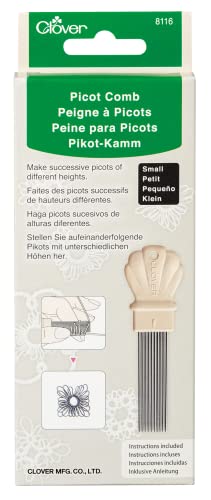
Clover is known for its precision engineering, and their blocking combs are designed for the knitter who demands absolute accuracy. The spacing of the pins is calibrated to provide uniform tension across the entire width of your fabric.
This precision is vital when you are working with delicate lace borders or complex cable patterns that need to be opened up to show their true beauty. If your blanket has a lot of texture, these combs will help you maintain the integrity of those stitches while you stretch the piece.
They are exceptionally smooth, meaning they won’t snag on your yarn fibers as you insert them. For projects where every millimeter counts, Clover offers the control you need to achieve a gallery-worthy finish.
Susan Bates Blocking Combs: Classic Design Choice
Susan Bates tools are classic for a reason: they are simple, effective, and widely available. Their blocking combs feature a traditional design that works well for a variety of project types, from simple garter stitch blankets to more intricate designs.
These are the "tried and true" option for many generations of knitters. They provide a predictable, consistent performance that removes the guesswork from the blocking process.
You don’t always need high-tech features to get a great result. Sometimes, a sturdy, well-made tool that does exactly what it’s supposed to do is all you need to finish your project with pride.
Why Blocking Combs Outperform Standard T-Pins
Standard T-pins are fine for small items like socks or washcloths, but they quickly become a liability with large blankets. When you use individual pins, you are forced to adjust the tension at every single contact point, which often leads to uneven edges and "wavy" borders.
Blocking combs solve this by creating a continuous line of tension. This ensures that the weight of the blanket is distributed evenly across the entire length of the comb rather than pulling on a single point of the fabric.
By reducing the number of individual points of contact, you also reduce the risk of snagging or distorting your stitches. Once you experience the speed and uniformity of using combs, you will likely find it difficult to go back to the tedious task of pinning every inch of a blanket by hand.
Essential Tips for Blocking Large Wool Blankets
- Prep your space: Ensure your blocking mats are laid out on a flat, clean surface that is large enough to accommodate the entire blanket.
- Don’t rush the soak: Use a wool-specific wash and let the blanket soak for at least 20 minutes to ensure every fiber is fully saturated before you begin.
- Support the weight: When moving your wet blanket to the mats, use a towel to support the weight so you don’t stretch the fabric out of shape before you even start pinning.
- Check your edges: Use a tape measure or a long ruler to ensure your edges are square before you walk away, as wool will "set" into whatever shape it dries in.
How to Maintain Your Blocking Tools for Longevity
To keep your blocking combs in top condition, always ensure they are completely dry before putting them away. Even stainless steel can develop surface oxidation if stored while damp, especially in humid environments.
If you notice any lint or fiber buildup between the pins, gently clean them with a soft brush or a dry cloth. Avoid using harsh chemicals or abrasive scrubbers, as these can damage the finish and potentially snag your delicate yarn on future projects.
Store your combs in their original packaging or a dedicated case to prevent the pins from bending. With proper care, a high-quality set of blocking combs will serve you for decades, helping you finish countless blankets with professional results.
Blocking is the final, vital step that transforms a pile of knitted fabric into a polished, finished textile. By choosing the right blocking combs, you remove the physical barriers that often prevent knitters from completing their largest, most ambitious projects. Take the time to select the tools that fit your personal knitting style, and you will find that the blocking process becomes a rewarding part of your creative journey. Remember, your stitches deserve the best finish possible, and the right gear makes all the difference.