7 Best Yarn Clippers For Clean Thread Cuts To Own
Discover the top 7 yarn clippers for precise, snag-free cuts. Our guide evaluates durability and ergonomic design to help you find the perfect sewing tool.
A clean snip of the yarn is the unsung hero of a professional-looking finish, whether you are weaving in ends on a complex cable sweater or trimming a tail on a delicate lace shawl. Dull blades often fray the fiber or cause the yarn to "chew," making it nearly impossible to thread through a tapestry needle cleanly. Investing in a dedicated pair of yarn clippers is not just about convenience; it is about respecting the integrity of your hard work. Here are the tools that belong in every serious knitter’s notions bag.
Clover Thread Cutter Pendant: Best For Travel
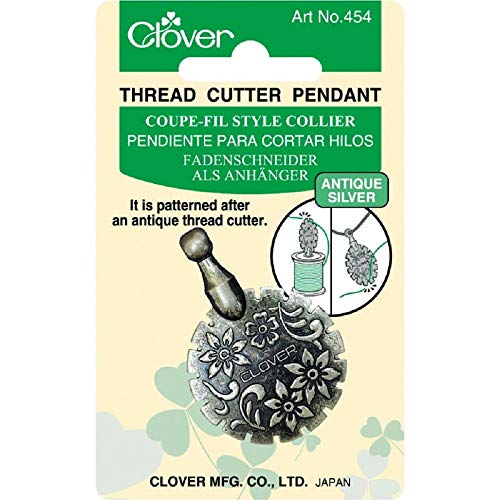

If you have ever tried to get through TSA security with a pair of embroidery scissors, you know the heartbreak of having your favorite tools confiscated. This pendant is the ultimate loophole, offering a safe, circular blade hidden inside an unassuming, stylish necklace.
It is perfect for airplane knitting or commuting, where space is limited and you don’t want to fumble for a tool bag. Simply guide the yarn into one of the notches, and a swift pull gives you a perfectly clean cut every time.
The trade-off here is that it only works for yarn weights up to a worsted or light aran; bulky or super-bulky rovings might get stuck. It’s a specialized tool for the mobile knitter, not a replacement for a full pair of shears.
Gingher 4-Inch Embroidery Scissors: Best Precision

Gingher scissors are the industry gold standard for a reason: the steel is forged to hold an edge that feels almost surgical. When you are doing fine detail work, like snipping a tiny float in stranded colorwork, you need a tip that is sharp enough to reach into tight spaces without snagging adjacent stitches.
These scissors are weighted perfectly in the hand, providing a sense of control that cheaper, plastic-handled alternatives simply cannot replicate. Because they are so sharp, you can cut right up to the base of a knot without worrying about the yarn slipping between the blades.
The only downside is that they require maintenance. If you use them to cut paper or wire, you will ruin the temper of the steel instantly. Keep these strictly for fiber, and they will last you a lifetime.
Havel’s Sewing Snips: Best For Ergonomic Comfort
If you suffer from hand fatigue or have early signs of arthritis, traditional scissor loops can be a nightmare to operate for long periods. Havel’s snips utilize a spring-loaded mechanism that does the opening work for you, requiring only a gentle squeeze to make the cut.
This design is incredibly efficient for projects involving frequent color changes, such as intarsia or mosaic knitting. You can keep the snips in your palm while you work, saving you from the constant "pick up and put down" cycle that breaks your knitting rhythm.
Be aware that the spring tension can feel a bit sensitive at first. It takes a moment to get used to the "snap" of the blades, but once you find your rhythm, your hands will thank you.
Kai 5100 4-Inch Scissors: Best Sharpness Quality

Kai scissors are crafted from high-carbon stainless steel, which gives them a hardness that keeps them sharper for longer than almost any other brand on the market. If you work with slippery luxury fibers like silk or bamboo blends, these are your best friend.
Slippery yarns often slide away from dull blades, leading to uneven, frayed ends that are difficult to weave in invisibly. The Kai 5100s grab the fiber firmly, ensuring a clean, perpendicular cut that makes threading your tapestry needle a breeze.
They are incredibly lightweight, which makes them easy to carry in a notions tin. They are a professional-grade tool that bridges the gap between hobbyist gear and industrial-grade tailoring equipment.
Merchant & Mills Snippers: Best Vintage Aesthetic
There is something deeply satisfying about using tools that feel like they belong in a nineteenth-century haberdashery. These classic, bow-style steel snippers are as beautiful as they are functional, offering a minimalist approach to yarn management.
They are essentially a single piece of tempered steel bent into a spring shape, meaning there are no screws to loosen or hinges to gum up with lint. They are virtually indestructible and provide a very satisfying "snick" sound when you cut your yarn.
Because they lack finger loops, they can take some getting used to if you are accustomed to traditional scissors. However, for the knitter who values simplicity and timeless design, there is no better choice.
LDH Scissors Thread Snips: Best Stainless Steel
LDH is a newer player in the sewing world, but their stainless steel snips have quickly become a favorite for their durability and rust resistance. If you live in a humid climate or frequently take your knitting to the beach or the pool, these are a reliable, low-maintenance option.
The blades are coated to prevent sticking, which is particularly helpful if you are working with sticky, high-twist wools or yarns treated with lanolin. The grip is comfortable and non-slip, providing stability even if your hands are a bit damp.
These are workhorses. They aren’t the most delicate-looking tool in your kit, but they are consistently reliable and stand up to the rigors of heavy, daily use in a busy knitting studio.
Westcott Titanium Micro Tip: Best Budget Option

You don’t need to spend a fortune to get a clean cut, and Westcott’s titanium-bonded blades offer excellent performance at a fraction of the cost of boutique brands. The titanium coating keeps the blades sharp and resistant to the buildup of fiber dust.
The micro-tip is thin enough to get into tight spots, making them a great "starter" pair for a new knitter who is still building their toolkit. They are widely available and offer a reliable, consistent cut that is far superior to standard office scissors.
Keep in mind that the handles are plastic, so they won’t have the same longevity as the all-steel options listed above. However, at this price point, you can afford to keep a pair in every project bag you own.
How To Maintain Your Yarn Snips For Longevity
Even the highest-quality steel will eventually dull if you neglect it. The golden rule is simple: never cut anything but yarn. Paper, wire, and even plastic tags contain abrasive materials that will nick the fine edge of your blades.
- Clean regularly: Use a soft, dry cloth to wipe away fiber dust and lint after every project.
- Lubricate: A tiny drop of sewing machine oil on the pivot point once a year keeps the action smooth.
- Store dry: Never leave your snips in a damp bag, as moisture can lead to microscopic rust spots on the cutting edge.
If you notice your scissors are starting to "fold" the yarn rather than cut it, it’s time to have them professionally sharpened. A local quilt shop or sewing machine repair center can usually handle this for a small fee.
Why Quality Steel Matters For Clean Yarn Cuts
When you cut yarn with a dull blade, the fibers are crushed rather than sliced. This creates a "fuzzy" end that is much harder to weave in, as the frayed fibers catch on the surrounding stitches and create unwanted bulk in your fabric.
Quality steel, such as high-carbon or stainless, allows for a "shear" action where the two blades bypass each other with minimal friction. This results in a clean, crisp end that remains tightly twisted, making it easy to thread and secure into your work.
Furthermore, high-quality steel is less likely to develop burrs. A burr on a blade can snag your yarn as you are cutting, potentially pulling a stitch and creating a snag in your finished garment.
Safety Tips For Storing Your Knitting Scissors
Always store your snips with a protective cap or in a dedicated notions pouch. A sharp pair of scissors rattling around in the bottom of a project bag is a recipe for a poked finger or, worse, a cut in your precious hand-knit fabric.
If you are traveling, consider a leather sheath to keep the blades closed and protected. Not only does this keep you safe, but it also prevents the tips from being blunted by contact with your knitting needles or metal stitch markers.
Finally, keep your scissors out of reach of children and pets. A pair of sharp embroidery scissors is a tempting toy, but they are precision instruments that should be treated with the same respect as your favorite circular needles.

Choosing the right yarn clippers is a small but significant step toward elevating your knitting practice. By selecting a tool that fits your hand and your specific project needs, you ensure that every cut is as intentional as every stitch. Invest in quality, maintain your blades with care, and your tools will serve you faithfully for years to come. Happy knitting, and may your ends always be perfectly trimmed.