7 Best Rust Inhibitor Sprays For Metal Tools To Use
Protect your gear from corrosion with our expert guide to the 7 best rust inhibitor sprays for metal tools. Read our top recommendations and shop with confidence.
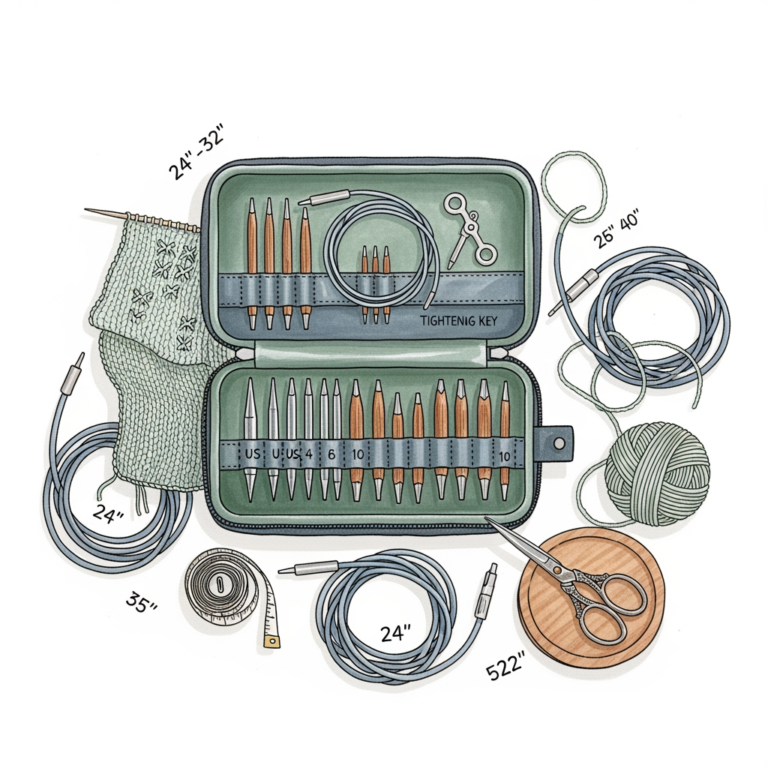
Metal tools such as high-quality circular needle sets, vintage steel crochet hooks, and metal blocking pins are significant investments that deserve proper care. Exposure to humidity and moisture in a knitting room can quickly lead to oxidation, which ruins delicate yarn fibers and compromises tool integrity. A proactive maintenance routine prevents rust before it begins, ensuring your equipment remains smooth and snag-free. Selecting the right inhibitor requires balancing protection against the need to keep tools clean enough to touch luxury fibers like silk or merino.
WD-40 Specialist Inhibitor: Best Overall Choice


This specialized formula offers a significant upgrade over the standard household spray, providing a protective barrier that adheres well to metal surfaces. It excels at creating a non-drying shield that is ideal for long-term storage of interchangeable needle sets or metal cable connectors.
The primary advantage for a knitter is the product’s ability to resist moisture without leaving a thick, gummy residue behind. This ensures that when a set of needles is pulled out for a new project, they remain slick enough for fast-paced stockinette work.
Avoid applying an excessive amount, as any surplus could potentially transfer to your yarn during the first few rows of a project. A light, targeted mist is all that is required for effective, year-round protection.
Boeshield T-9 Lubricant: Best for Long-Term Storage
Boeshield T-9 was originally developed for the aerospace industry, which makes it exceptionally reliable for tools kept in storage containers for months. It leaves a waxy, waterproof film that stays in place even when tools are jostled or moved.
This is the go-to option for those heirloom-quality steel crochet hooks that may only see use once or twice a year. The wax base creates a seal that effectively blocks out the oxygen and moisture that cause pitting and discoloration on older metal.
Because it leaves a visible barrier, ensure the tools are wiped down with a clean, lint-free cloth before starting a project. This guarantees that nothing interferes with the tension or the slide of the yarn across the metal.
CRC 3-36 Multi-Purpose: Top Value and Performance
For the knitter with a large collection of metal accessories, this product offers excellent coverage and versatility. It effectively displaces moisture, making it a sound choice for workshops or crafting spaces that aren’t climate-controlled.
The formula is thin enough to penetrate the tight threading of interchangeable needle tips, preventing oxidation in the tiny grooves where screws meet the shaft. This helps prevent the dreaded “loose connection” that causes yarn to snag during a row.
While it provides great protection, it is less permanent than a waxy inhibitor. Think of this as a maintenance spray to be used every few months rather than a “set it and forget it” solution.
Fluid Film Protectant: Best Lanolin-Based Option
Fluid Film is unique because it is derived from lanolin, the very substance found in sheep’s wool. Since it is non-toxic and solvent-free, it feels like a natural extension of the fiber arts toolkit.
This is an excellent choice for knitters who are particularly concerned about chemical residues near their fiber. It provides a heavy-duty, long-lasting coating that is safe for metal and remarkably effective at preventing corrosion in damp environments.
The tradeoff is that it can feel slightly tacky to the touch if applied too heavily. Use a very small amount on a rag to buff the tools, ensuring they remain smooth and ready for fine-gauge knitting.
3-IN-ONE Oil with EZ-Reach: For Precision Tools

The precision applicator on this product is perfect for the intricate joints of stitch holders, sewing needles, and small embroidery scissors. It allows for pinpoint placement without getting oil all over your workspace.
It is highly effective for loosening up stiff metal components, such as the hinges on yarn swifts or ball winders. A tiny drop keeps these mechanical tools running smoothly, which is essential when winding hundreds of yards of lace-weight yarn.
Be mindful that oil attracts dust and lint. Always wipe away any excess from tools that will come into direct contact with your yarn to keep your project pristine.
Permatex Rust Treatment: Best for Restoring Tools
If you have discovered a favorite set of vintage needles with signs of light surface rust, this is not a preventative spray but a transformative treatment. It chemically converts existing rust into a stable, black, protective polymer coating.
This is a restorative step rather than a daily maintenance routine. Use this only when the integrity of the tool is already at risk and you need to salvage a piece of equipment that is otherwise headed for the bin.
Once the treatment has cured, the surface will be different than it was originally. Always test the texture on a scrap piece of yarn to ensure the finish remains smooth enough to glide through your stitches.
Star brite Rust Stopper: For Humid Environments
When knitting near the coast or in a basement craft room, humidity is the enemy of metal tools. Star brite is designed to withstand the harsh conditions of marine environments, making it a powerhouse for home use.
It works by bonding to the metal to create a protective barrier that moisture simply cannot penetrate. This prevents the microscopic “weeping” of rust that can quickly spread across a drawer of knitting notions.
The result is a clean, dry surface that doesn’t feel oily. It provides the peace of mind needed when storing expensive tools in areas prone to seasonal dampness.
How to Safely Apply Rust Inhibitors to Tools
- Clean first: Always start with a dry, lint-free cloth to remove dust and debris before applying any product.
- Use a rag: Never spray your tools directly. Spray the inhibitor onto a microfiber cloth and buff the tool to ensure an even, thin coat.
- Wait to dry: Allow the tool to sit for the time recommended on the bottle before storing it in a case.
- The “yarn test”: Always rub a scrap of waste yarn over the treated tool to ensure no residue is transferring before using it on a delicate project.
Inhibitor vs. Remover: What Your Tools Need
It is vital to distinguish between maintaining a tool and fixing one. Inhibitors are preventative measures that create a barrier to keep moisture out; they are designed to be used on clean, healthy metal.
Rust removers or converters are aggressive chemical agents meant to strip away or neutralize active oxidation. They should never be used as a routine maintenance step, as they can wear down the smooth finish of polished metal needles over time.
For daily care, focus on thin, non-gummy inhibitors. Save the heavy-duty removers only for equipment that has already begun to show signs of decay.
What to Look For in a Rust Inhibitor Spray
When selecting a product, consider the environment where the tools live. If they are stored in a closed case, a lighter oil or wax is sufficient; if they are kept on open pegboards, a heavier, moisture-repelling coating is necessary.
Consider the material of the tool. Steel requires more protection than aluminum, which is naturally more resistant to rust. Always ensure the product is labeled as safe for use on the specific metal type of your tools.
Prioritize products that leave a dry finish. Any inhibitor that stays wet or sticky will inevitably pick up lint and dust, which can introduce grit into your knitting project and damage the yarn.
Maintaining a clean and protected kit ensures that your tools remain a pleasure to use for years of creative work. By choosing the right inhibitor for your storage environment, you protect both your investment and the quality of your finished garments. Consistent, light maintenance is far more effective than trying to repair damage once it has already set in.