7 Best Wet Felting Mats For Large Scale Projects
Master large-scale wet felting with our top 7 mat picks. We evaluate durability, water drainage, and surface grip to ensure your projects stay stable and flat.
Transitioning from small accessories to large-scale wet felting projects requires a fundamental shift in your workspace. Just as you wouldn’t attempt a 300-stitch-wide blanket on short, fixed-cable needles, you cannot expect success with oversized felted pieces on a standard placemat. A dedicated, high-quality felting mat is the backbone of your project, providing the necessary friction and drainage to turn loose wool into a structural textile. This guide will walk you through the top-tier surfaces that turn grueling labor into a manageable, professional-grade process.
Ashford Heavy Duty Felt Mat: Best Overall Choice
When you are committing to a large-scale project like a felted rug or a heavy-duty coat, the Ashford mat acts as the reliable workhorse of your studio. Its density is its primary strength, providing a firm, consistent resistance that helps the wool fibers migrate and lock together without the mat itself buckling under the pressure of your rolling.
The texture is specifically engineered to balance friction—it grips the wool enough to initiate the felting process quickly, yet remains slick enough to prevent the fibers from permanently bonding to the mat surface. It is the equivalent of choosing a high-quality stainless steel needle for a sticky wool; it just makes the work flow better.
If you are a maker who values longevity and a no-nonsense approach, this is your go-to. It handles the repetitive, heavy-duty rolling required for thick, multi-layered projects without showing premature signs of wear.
Living Felt Professional Wet Felting Mat
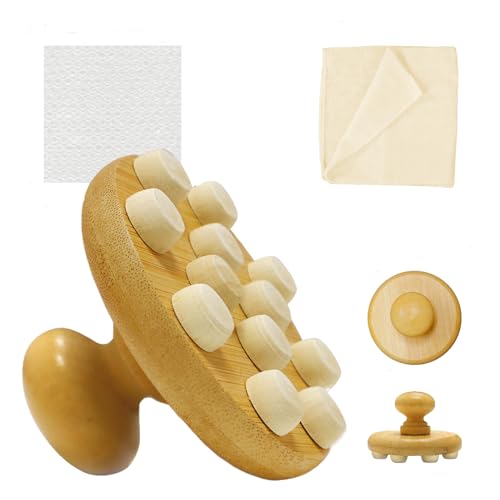

This mat is designed for the artisan who treats their felting with the same precision as a lace knitter treats their tension. It features a unique, fine-grid surface that allows for exceptional water drainage, which is critical when you are working on large surfaces that tend to pool water.
The material is slightly more forgiving than the Ashford option, making it an excellent choice if you have sensitive joints or find that aggressive rolling causes hand fatigue. It acts as a shock absorber, allowing you to apply consistent, firm pressure without the physical strain often associated with large-scale wet felting.
Think of this as the ergonomic crochet hook of the felting world. It is built to support your physical health while you execute long, complex, and labor-intensive projects.
Felted Sky Large Scale Rolling Mat System
Large-scale projects often require a multi-stage approach, and the Felted Sky system excels by offering a modular, rolling-focused design. It is specifically optimized for the "bamboo blind" rolling technique, providing enough flexibility to create a tight, consistent roll while maintaining the structural integrity of the mat itself.
The surface is remarkably durable, resisting the fraying that often happens when you use cheaper, imitation materials. Because it is designed to be rolled tightly, it is perfect for those working on long runners or wide panels that require uniform compression across the entire width of the piece.
If your process relies heavily on the rolling technique to achieve a dense, professional finish, this system is an investment in your project’s consistency. It eliminates the frustration of mats that slip or slide during the most critical phases of the felting process.
Woolery Extra Wide Textured Felting Surface

When your project width exceeds the standard 24-inch mat, you need a surface that doesn’t force you to compromise your technique. The Woolery’s extra-wide offering allows you to lay out your fibers without constantly worrying about your edges curling off the side of the mat.
The texture is notably more pronounced here, which helps "grab" the wool fibers during the initial layout and light agitation phase. This is particularly helpful when working with slippery, fine fibers like Merino or silk blends that might otherwise drift during the wetting-down process.
This mat is essentially the "circular needle" for the large-scale felter—it provides the space you need to work comfortably without having to join separate pieces later. It is a game-changer for anyone moving into home decor or apparel.
DHG Premium Non-Slip Felting Work Mat

Stability is the most underrated aspect of wet felting, especially when you are working on a large table where a shifting mat can ruin your alignment. The DHG mat features a high-traction backing that clings to your workspace, ensuring that your mat stays stationary even when you are applying significant lateral pressure.
The surface material is chemically resistant and easy to clean, which is vital when you are using soaps or additives that can degrade cheaper, porous foams over time. It provides a clean, neutral base that lets you focus entirely on your fiber density and layout.
If you find yourself constantly re-adjusting your mat mid-project, this is the solution. It is the equivalent of a heavy-duty non-slip base for your yarn bowl—it stays put so you can focus on the craft.
Paradise Fibers Durable Felting Mat Grid

For those who need to maintain specific dimensions—like when felting a structured bag or a precise garment panel—this mat includes a subtle grid pattern. This acts as a guide, much like a blocking board with markings, allowing you to monitor shrinkage and ensure your edges remain square.
The material is rigid yet flexible, striking a balance that prevents the mat from stretching out of shape over time. This is essential for large-scale work where a warped mat will inevitably lead to a warped finished piece.
It is a tool for the methodical maker who values precision and symmetry. If you are tired of measuring and re-measuring your piece to ensure it hasn’t skewed, this grid-based surface does the work for you.
Majacraft Large Format Felting Work Station
This is the luxury option for the dedicated felter, functioning less like a mat and more like a comprehensive workstation. It provides a stable, elevated, and perfectly textured platform that is built to last for decades of heavy use.
The surface is optimized for both hand-felting and the use of tools, providing a level of feedback that lets you "feel" the wool tightening as you work. It is designed to be the centerpiece of a dedicated studio space, similar to a high-end spinning wheel or a professional floor loom.
While it is a larger investment, the durability and the quality of the felting result are unmatched. If you are serious about professional-grade, large-scale production, this is the final upgrade you will ever need.
Essential Features for Large Scale Felting Mats
When selecting a mat for large projects, prioritize these three non-negotiables to ensure your success:
- Drainage Capacity: Large projects hold a massive amount of water; look for mats with textures or channels that allow excess liquid to escape, preventing the fiber from becoming waterlogged and sluggish.
- Dimensional Stability: The mat must not stretch or warp under the weight of wet wool and the friction of your hands.
- Surface Friction: You need a balance where the mat grips the wool to encourage fiber migration, but releases it easily once the felt is firm.
Avoid the temptation to use generic hardware store rubber or thin foam sheets. These materials lack the specific friction coefficients required for wool, often leading to uneven felting or fibers that become permanently embedded in the mat surface.
How to Properly Maintain Your Wet Felting Surface
Treat your felting mat with the same care you would accord a set of high-quality wooden needles. After every use, rinse the mat thoroughly with cool water to remove all soap residue, as dried soap can become abrasive and damage the surface texture over time.
Allow the mat to air dry completely in a flat position, away from direct sunlight or high heat. Exposure to heat can cause rubber or foam to become brittle, eventually leading to cracking or loss of the essential "grip" that makes these mats effective.
If you notice a buildup of wool fibers or lint, use a soft-bristled brush to gently remove them after the mat has dried. Never use harsh chemicals or wire brushes, as these will ruin the surface texture and create "bald spots" where the wool will no longer felt effectively.

Choosing Between Rubber and Foam Felting Mats
The choice between rubber and foam comes down to your personal felting style and the type of wool you use. Rubber mats offer superior durability and a firm, high-friction surface that is ideal for heavy-duty projects and thick, coarse fibers that require significant physical effort to felt.
Foam mats, while less durable, provide a more forgiving, cushioned surface that is excellent for fine fibers like silk blends or delicate wools. They are easier on the hands and provide a slightly different "feel" that some makers prefer for intricate surface designs.
If you are a beginner, start with a high-quality rubber mat, as it offers the most consistent results across a wide range of fiber types. As you advance and develop a preference for specific textures or project types, you can experiment with foam to fine-tune your process.
Investing in the right wet felting mat is just as critical as choosing the right fiber for a sweater or the right needle for a pair of socks. By prioritizing durability, drainage, and the correct level of surface friction, you remove the unnecessary physical barriers between you and your creative vision. Take the time to consider your specific project needs, and you will find that the right mat makes the most daunting large-scale project feel like a natural extension of your hands. Happy felting!