6 Best Sewing Needles For Fabric Linings To Use
Selecting the right needle is vital for delicate linings. Our guide details the 6 best types to prevent snags and ensure smooth, professional results every time.
Adding a lining to a hand-knitted garment is the ultimate mark of a professional-grade finish, transforming a sweater into a structured heirloom piece. However, the wrong sewing needle can easily snag delicate knit stitches or tear through slippery silk and rayon linings. Choosing the right tool is just as vital as selecting your yarn weight or needle size for the project itself. This guide breaks down the best sewing needles to ensure your hard work stays protected and polished.
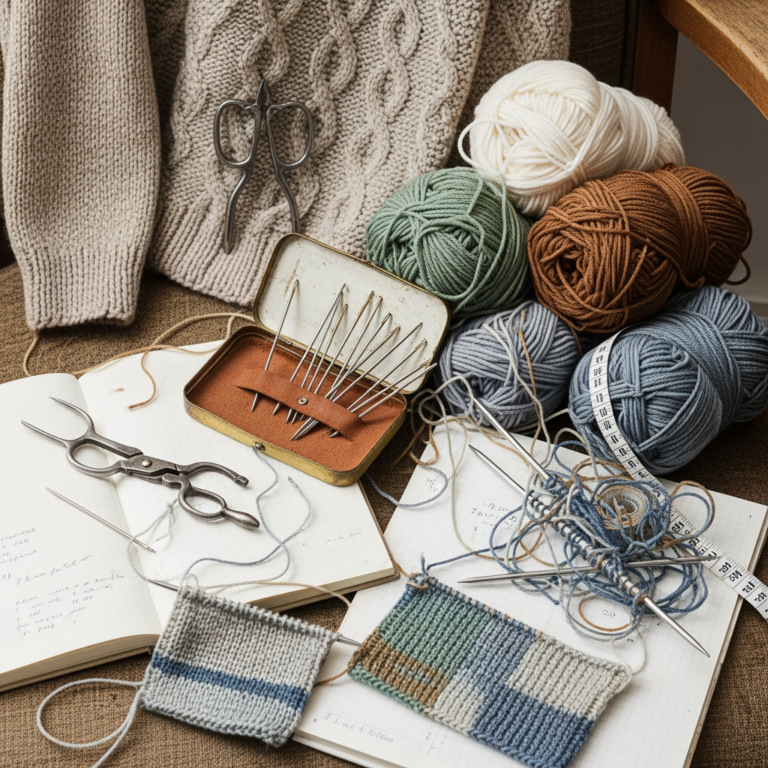
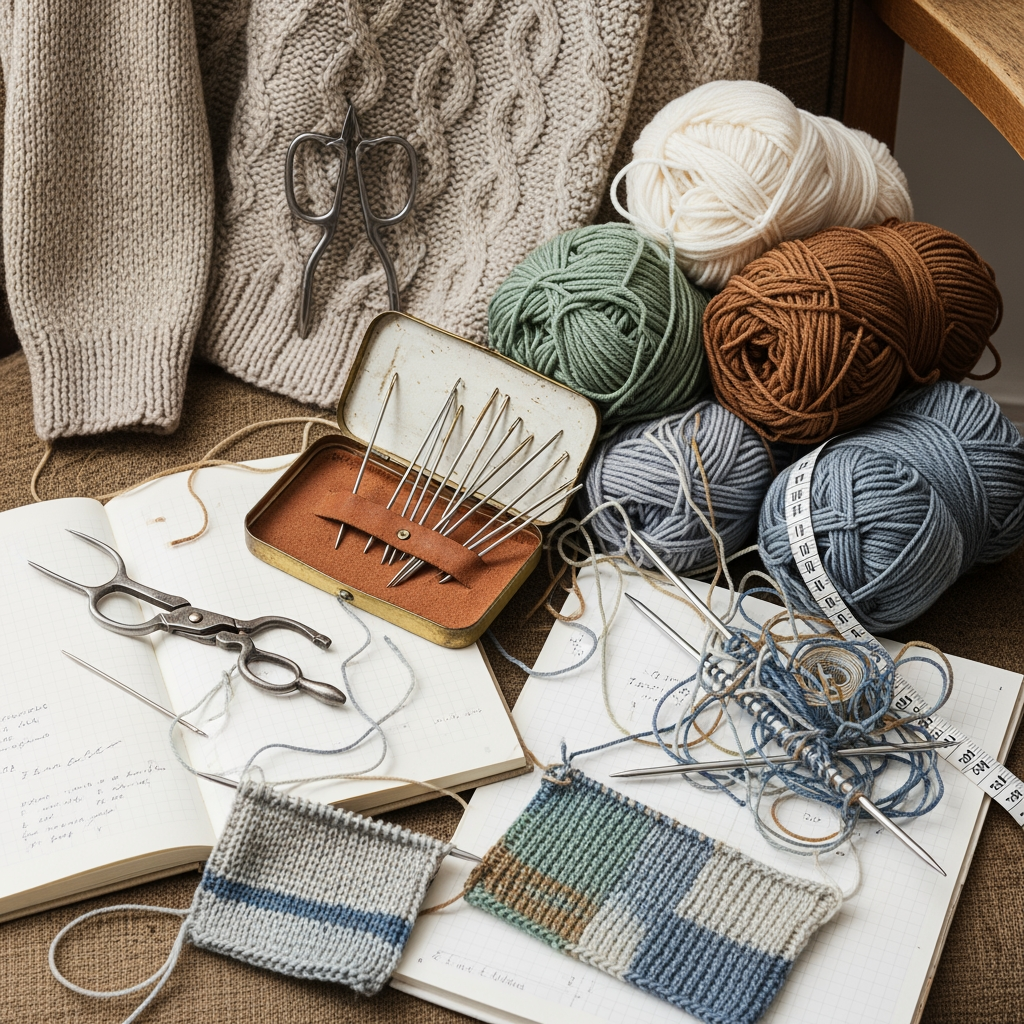
Bohin France Sharps Needles: Best Overall Choice


Bohin needles are the gold standard for many of us who spend hours at the sewing table. They are manufactured in France using high-quality nickel-plated steel, which gives them an incredibly smooth surface that glides through fabric without catching.
When you are attaching a lining to a hand-knit cardigan, you need a needle that won’t shred the yarn fibers. These sharps are slender and exceptionally strong, meaning they won’t bend when you hit a thicker seam or a dense cable.
If you value consistency above all else, these are your best bet. They offer a reliable, uniform experience that makes the tedious process of hand-sewing a lining feel much less like a chore.
John James Gold Eye Needles: Superior Durability
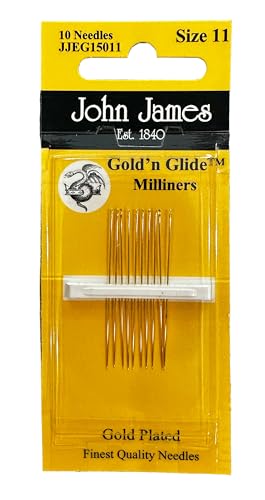
John James has been around for centuries, and there is a reason they remain a staple in sewing kits worldwide. Their Gold Eye needles are specifically designed to reduce friction, which is a lifesaver when you are working with synthetic lining fabrics.
The gold plating on the eye is more than just an aesthetic choice; it helps the thread pass through the needle more smoothly. This reduces the risk of the thread fraying or knotting up while you are in the middle of a delicate hem.
These needles are remarkably durable and resist rust, even if you live in a humid climate. They are a fantastic investment for the knitter who frequently lines their projects and wants a tool that won’t need replacing after a single garment.
Clover Black Gold Quilting Needles: Smooth Finish
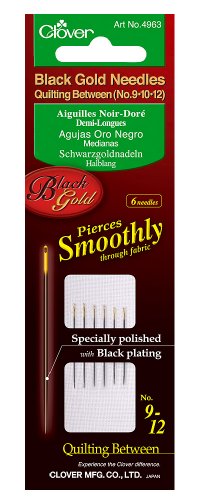
Clover’s Black Gold line features a unique coating that makes them glide through fabric with almost zero resistance. This is particularly useful when you are working with dense, multi-ply wools that might otherwise grab at your sewing thread.
The needle points are polished to a perfect taper, ensuring they pierce the lining fabric cleanly without creating large holes. For someone working with fine silk or lightweight polyester linings, this level of precision is essential.
While they are technically marketed as quilting needles, their sharpness makes them perfect for the "blind stitch" method used to attach linings. They are a bit more expensive, but the reduced frustration during the sewing process makes them well worth the price.
Tulip Hiroshima Sashiko Needles: Best for Lining

Don’t let the name fool you; while these are designed for Sashiko embroidery, their strength and length make them excellent for securing linings to knitwear. They have a slightly thicker shaft than a standard sharp, which provides extra leverage when navigating heavy knit fabrics.
The tip is incredibly sharp and polished, allowing it to slide between the loops of your knitting without splitting the yarn. This is critical for maintaining the integrity of your hard-earned stitch definition.
These needles are a favorite among those who prefer a slightly longer tool for better grip. If you find that shorter needles make your hands cramp during long finishing sessions, these will feel like a breath of fresh air.
Dritz Household Hand Needles: Best Budget Option

Dritz is the reliable "everyday" choice that you can find in almost any craft store. While they may not have the premium finish of European boutique brands, they are perfectly functional for basic lining tasks.
These are ideal for the beginner knitter who hasn’t yet decided if they want to make lining a regular part of their practice. They get the job done without breaking the bank, and they come in a wide variety of sizes to match your thread weight.
The main tradeoff is that they may dull faster than higher-end options. Keep a small emery cushion nearby to keep the points sharp as you work through your project.
Singer Assorted Hand Needles: Best Starter Set

If you aren’t sure exactly which size you need, a Singer assorted pack is the perfect way to experiment. Lining fabrics vary from thin, slippery habotai silk to heavier acetate, and having a range of needles on hand is a smart strategy.
These packs typically include sharps, betweens, and embroidery needles. This variety allows you to test which thickness works best with your specific lining fabric and the yarn weight of your knit garment.
Once you identify the size you reach for most often, you can graduate to a higher-quality specialized needle. Think of this set as your "testing kit" for finding your personal sewing preference.
Why Needle Type Matters for Delicate Knit Linings
When you line a knit garment, you are essentially marrying two different structural systems: the flexible, porous knit and the stable, woven lining. Using a needle that is too blunt will push the yarn fibers aside, potentially creating visible gaps or "ladders" in your knitting.
Conversely, a needle that is too sharp or poorly finished can snag the yarn, pulling a loop and causing a permanent run. The goal is to pierce the lining fabric cleanly while gently navigating the gaps between your knit stitches.
Always remember that your needle size should be proportional to your thread. A needle that is too large for your sewing thread will drag, causing the fabric to pucker and ruining that professional, smooth look you are aiming for.
Understanding Needle Sizes for Different Fabrics
- Size 5-7: Best for heavier lining fabrics and thicker sewing threads.
- Size 8-9: The "sweet spot" for most medium-weight linings and standard cotton-covered polyester thread.
- Size 10-12: Necessary for very fine, delicate silk or rayon linings where you want to minimize puncture marks.
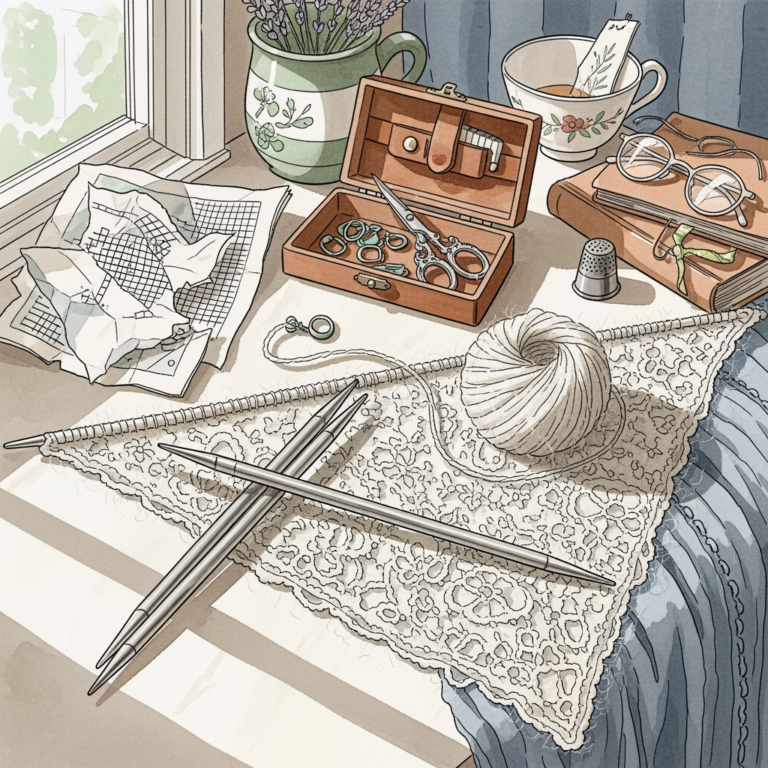
If you are working with a bulky-weight sweater, you will need a stronger, slightly thicker needle to pass through the seams. For delicate lace-weight shawls or fine-gauge sweaters, stick to the smallest needle that can comfortably accommodate your thread.
Essential Tips for Securing Linings to Knitwear
Always block your garment completely before you even think about pinning the lining. If the garment is still "relaxing" from the needles, your lining will end up being the wrong size once the sweater settles.
Use plenty of fine-gauge glass-head pins to hold the lining in place. Because knit fabric has "give" and woven lining does not, you need to distribute the fullness evenly so the lining doesn’t pull or sag when you wear the piece.
Work in small, manageable sections, and use a "catch stitch" to secure the lining. This allows the lining to float slightly, which is crucial for maintaining the drape and comfort of the knit fabric.
How to Prevent Fabric Snags During Hand Sewing
The biggest culprit for snags is a dull needle tip or a rough eye. If your thread feels like it is dragging or "hitching" as you pull it through the fabric, stop immediately and check your needle for burrs.
Keep your hands clean and free of lotion or oils, as these can transfer to the lining and attract dust or cause the fabric to catch. If you find your thread is twisting, let the needle hang freely every few inches to allow the twist to unwind.
Finally, always use a thimble if you are pushing through dense areas like armscyes or side seams. It prevents you from forcing the needle and potentially slipping, which is the most common way to accidentally snag your beautiful knitting.
Lining a knit garment is a sophisticated skill that elevates your work from a hobby project to a true piece of wearable art. By selecting the right needle for your specific fabric and yarn combination, you ensure that your lining enhances the garment rather than compromising it. Take your time, test your tools on a swatch first, and enjoy the process of perfecting your craft. Happy sewing and happy knitting!