6 Best Bead Scoops For Small Scale Projects To Use
Selecting the right bead scoop is vital for precision work. We review six top tools that simplify sorting, boosting efficiency for all your small projects.
Managing hundreds of tiny beads for a delicate beaded lace shawl can turn a relaxing hobby into a frustrating game of "find the bead on the carpet." Whether you are working with size 8/0 seed beads or tiny 15/0 accents, having the right scoop is as essential as choosing the correct needle size. These small tools act as an extension of your hands, keeping your workspace tidy and your rhythm uninterrupted. Here are the top tools to help you keep your beads under control while you knit.
BeadSmith Steel Scoop: Best Overall for Seed Beads


This steel scoop is the workhorse of the beading world for a reason. Its thin, tapered edge slides effortlessly under a pile of seed beads, allowing you to pick up exactly what you need without causing a spill.
When you are working on a complex beaded cuff or adding a row of beads to a sock gusset, you don’t want to be fighting your tools. The weight of the steel provides enough stability that it won’t tip over on your workstation, even when you’re mid-row.
The bottom line is that the BeadSmith steel scoop offers the perfect balance of durability and precision. It is an essential investment for any knitter who regularly incorporates beads into their lace work.
Cousin DIY Plastic Scoop: Best Budget-Friendly Pick

Plastic scoops are often overlooked, but they are incredibly useful for beginners just starting to experiment with beaded knitting. They are lightweight and gentle, making them less likely to scratch your delicate work surface or snag on fine silk-mohair yarns.
If you are only adding a few beads here and there to a project, there is no need to overspend on specialized equipment. These scoops are typically sold in sets, meaning you can keep one in your project bag and another at your main knitting station.
While they may not have the longevity of metal, their affordability is a major advantage. If you lose one, it’s not a tragedy, and they perform exactly as intended for occasional use.
Darice Metal Precision Scoop: Best for Durability

If you are a prolific knitter who produces beaded garments year-round, you need a tool that can withstand daily wear and tear. The Darice metal scoop is built to last, featuring a sturdy construction that won’t bend or warp over time.
Its rigid design is particularly helpful when you are working with heavier glass beads that might strain a more delicate plastic tool. You can scoop with confidence, knowing the tool will maintain its shape regardless of how many thousands of beads you process.
Think of this as the "stainless steel needle" of the beading world—it is reliable, professional-grade, and ready for heavy-duty use. It is a one-time purchase that will serve you for decades of knitting projects.
Beadalon Collapsible Scoop: Best for Tight Spaces

Working in a small craft room or on a crowded coffee table requires tools that don’t take up unnecessary real estate. The Beadalon collapsible scoop is a clever solution for knitters who need to save space without sacrificing functionality.
This tool is ideal for those times when you are knitting on the go, perhaps on a train or in a small cafe. It folds down to fit into a tiny notions pouch, keeping your project bag organized and clutter-free.
While it lacks the rigid stability of a solid steel scoop, its portability is unmatched. It’s the perfect companion for the traveling knitter who refuses to leave their beaded projects behind.
Artistic Wire Micro Scoop: Best for Tiny Findings
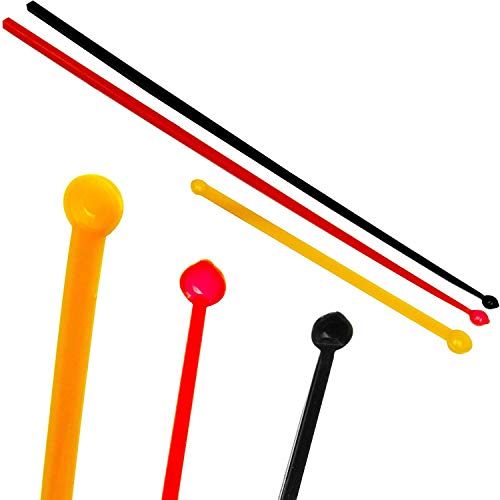
When you move into the world of size 15/0 beads or tiny metal findings, a standard scoop often feels too cumbersome. The Artistic Wire Micro Scoop is designed specifically for these minute components, offering a narrow tip that prevents beads from sliding off.
Using a scoop that is too large for your beads often results in "bead overflow," where you end up with more than you need on your needle. This micro-tool gives you surgical control, ensuring you pick up only the exact number required for your pattern.
If you are knitting intricate Victorian-style lace, this tool will save you from the headache of sorting through excess beads. It is a specialized tool, but it is indispensable for high-detail work.
West Coast Jewelry Scoop: Best Ergonomic Design

Knitting for hours can lead to hand fatigue, and the last thing you want is a tool that requires a cramped, awkward grip. The West Coast Jewelry scoop features an ergonomic handle that sits comfortably in your palm, reducing strain during long beading sessions.
This is particularly important for knitters who suffer from arthritis or general hand stiffness. A comfortable tool allows you to maintain your focus on the pattern rather than the discomfort in your joints.
It’s a thoughtful design that acknowledges the physical reality of repetitive tasks. If you find yourself beading for hours at a time, prioritize this ergonomic option to keep your hands happy and your stitches even.
How to Choose the Right Scoop for Your Bead Size
The rule of thumb here is simple: match the width of your scoop to the size of your beads. Using a wide scoop for tiny beads often leads to spilling, while a narrow scoop for large beads makes the process inefficient.
- Size 6/0 to 8/0 beads: A standard steel or plastic scoop works perfectly.
- Size 11/0 beads: Look for a medium-width scoop with a tapered front.
- Size 15/0 beads: Always opt for a micro-scoop to maintain precision.
Consider the volume of beads you need for your project. If you are adding a bead to every single stitch in a large shawl, a slightly larger scoop will save you time by allowing you to grab more beads at once.
Material Matters: Metal Versus Plastic Bead Scoops
Metal scoops are generally more durable and have a thinner edge, which makes it easier to "dig" into a pile of beads. However, they can be noisy when clicking against your table and are heavier to carry in your notions pouch.
Plastic scoops are quiet, lightweight, and very affordable, but they can develop static electricity. This can sometimes cause smaller, lighter beads to cling to the sides of the scoop, which can be frustrating when you are trying to tip them into a small container.
Ultimately, your choice should depend on your environment. If you knit in a quiet library, plastic might be better; if you want a tool that will last a lifetime, invest in metal.
Essential Tips for Managing Beads During Knitting
To keep your beads organized, always work on a bead mat or a piece of felt. This prevents the beads from rolling away if you accidentally knock the scoop over.
When transferring beads from your scoop to your working container, do it slowly. Sudden movements are the primary cause of "bead explosions" that end up all over your floor.
- Keep your workspace clear: Remove unnecessary yarn balls or patterns from the immediate area.
- Use a tray: Place your bead container inside a shallow tray to catch any "escaped" beads.
- Lighting is key: Ensure you have a bright task light directed at your bead pile to reduce eye strain.
How to Store Your Beading Tools to Prevent Loss
Bead scoops are notorious for disappearing into the depths of knitting bags. I recommend keeping them in a dedicated, zippered notions case rather than tossing them loose into your main project bag.
If you have multiple scoops, use a small carabiner or a ring to keep them together. This way, you always know exactly where your tools are the moment you decide to start a new beaded row.
Treat your beading tools with the same care you give your favorite needles. A well-organized kit is the secret to a stress-free, productive knitting experience.
Integrating beads into your knitting adds a beautiful, professional dimension to your work, but it requires the right tools to keep the process enjoyable. By choosing a scoop that fits your specific project needs and keeping your workspace organized, you can eliminate the frustration of spilled beads. Remember that the best tool is the one that makes your creative process feel effortless and fun. Happy knitting, and may your bead rows always be perfectly placed!