6 Best Mohair Yarns For Fluffy Tassel Effects
Discover our top six mohair yarn picks for creating luxurious, fluffy tassels. Learn which fibers offer the best loft and durability for your next project.
Adding a mohair strand to a project is the fastest way to transform a simple knit into a luxurious, haloed masterpiece. When working on tassel effects, the choice of yarn determines whether your fringe looks wispy and ethereal or dense and structured. Understanding the fiber content and spin of these yarns is crucial for achieving the perfect fluff without the dreaded matting. This guide breaks down the top mohair options to help you elevate your next project with professional-grade results.
Rowan Kidsilk Haze: The Industry Gold Standard


Rowan Kidsilk Haze is arguably the most recognizable mohair-silk blend on the market, and for good reason. Its consistency is unmatched, making it the reliable baseline for any knitter looking to add a halo to their fabric.
Because it is a blend of 70% mohair and 30% silk, it strikes a perfect balance between structural integrity and delicate softness. The silk core provides just enough strength to hold up to the tension required for creating tassels, while the mohair provides that signature cloud-like volume.
If you are a beginner, start here. The fiber is forgiving, and because it is stocked in almost every major yarn shop, matching dye lots for a large project is rarely a logistical nightmare.
Shibui Knits Silk Cloud: Best Luxury Option
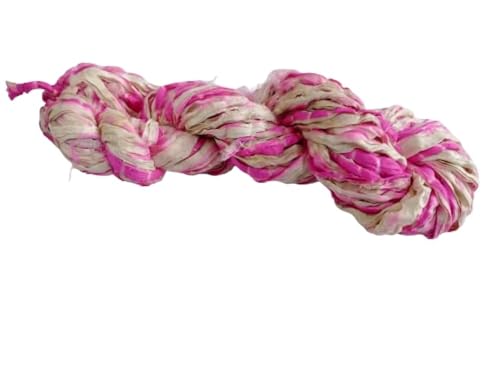
Shibui Knits Silk Cloud offers a level of refinement that is immediately noticeable the moment you touch a hank. It is exceptionally light, with a slightly finer gauge than many of its competitors, which creates a more sophisticated, understated halo.
When you use this for tassels, the result is less about "clumpy" volume and more about a delicate, shimmering drape. It feels almost weightless in the hand, making it ideal for high-end garments where you want movement without bulk.
The tradeoff here is the price point and the delicate nature of the fiber. It is a premium product that demands careful handling, so I wouldn’t recommend it for a first-time experiment with tassels.
Drops Kid-Silk: Best Value for Mohair Lovers
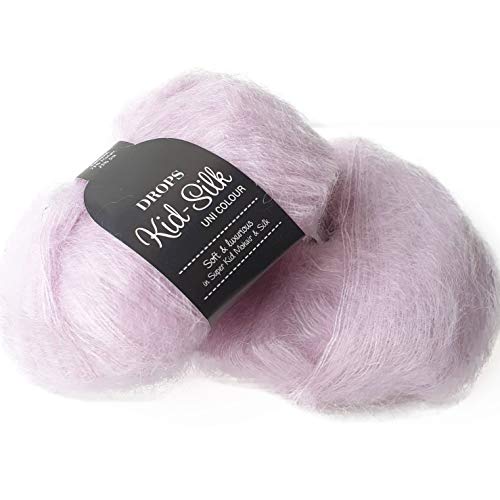
Drops Kid-Silk is the go-to for knitters who want to experiment with mohair without breaking the bank. It is remarkably similar in composition to the industry standards, providing a generous amount of yardage per ball.
Don’t let the lower price point fool you into thinking it is low quality. While it may have a slightly different "hand" or texture compared to luxury brands, it produces a beautiful, fluffy tassel that holds its own in any colorwork or lace project.
If you are planning a project that requires a large amount of yarn—like a floor-length fringe or a heavy tassel-laden shawl—this is your most economical choice. It allows you to be generous with your yarn usage without worrying about the cost.
Isager Silk Mohair: Best for Soft Color Work

Isager Silk Mohair stands out for its incredible color palette, which features muted, sophisticated tones that are hard to find elsewhere. The fiber itself is slightly more "grippy" than others, which makes it excellent for stranded colorwork.
When you use this for tassels, the colors blend beautifully, creating a subtle, painterly effect. It doesn’t have the same synthetic-feeling slickness as some cheaper mohair blends, which gives your finished tassels a more organic, natural look.
Because the fibers grab onto one another, it is less likely to unravel if your knots aren’t perfectly tight. This makes it a fantastic choice for those who are still perfecting their tassel-tying technique.
Knitting for Olive Soft Silk Mohair: Best Feel
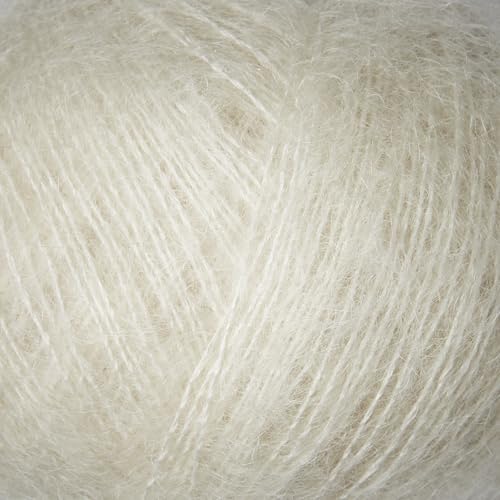
Knitting for Olive has mastered the art of sourcing fibers that feel exceptionally soft against the skin. If you have sensitive skin and usually find mohair a bit "prickly," this is the brand that will change your mind.
The halo on this yarn is dense and soft, creating a very full, plush tassel. It feels more like a fine wool than a traditional mohair-silk blend, providing a cozy, tactile experience that is perfect for scarves and cowls.
Because it is so soft, it doesn’t have the same "wire-like" strength of other mohair yarns. When making tassels, ensure your knots are secure, as the softness of the fiber can lead to a bit more slippage if not handled correctly.
Sandnes Garn Tynn Silk Mohair: Best Durability

Sandnes Garn Tynn Silk Mohair is a workhorse yarn that manages to be both delicate in appearance and surprisingly resilient. It is a fantastic option if your project is intended for daily wear rather than just special occasions.
The structure of the thread is tight and consistent, which translates to tassels that hold their shape well over time. It doesn’t shed as aggressively as some of the fluffier, more "airy" mohair yarns, meaning your fringe won’t look stringy after a few weeks of use.
If you are a knitter who tends to be hard on their accessories, this is the yarn for you. It balances the aesthetic of a high-end mohair with the practical durability needed for real-world use.
How to Choose the Right Mohair for Your Project
Choosing the right mohair is a balancing act between the desired "halo" and the structural needs of your project. If you want a dense, dramatic tassel, you need a yarn with a high mohair content and a slightly longer fiber staple.
- For high-traffic items: Choose a more durable, tightly spun option like Sandnes Garn.
- For delicate shawls: Opt for the lightness of Shibui Knits.
- For budget-conscious large projects: Stick with the value of Drops Kid-Silk.
Always consider the base yarn you are pairing it with. If your base is heavy, a very fine, airy mohair might get lost; if your base is delicate, a heavy mohair might overwhelm the stitch pattern.
Essential Tips for Knitting with Mohair Yarns
Knitting with mohair requires a different set of skills than working with standard wool or cotton. The "halo" means that if you make a mistake, "tinking" (unknitting) can be a nightmare because the fibers will catch on each other.
- Use blunt-tipped needles: Sharp needles will split the mohair strand, which is frustrating to fix.
- Check your gauge: Mohair can change the tension of your entire project, so always swatch with the mohair held together with your main yarn.
- Work slowly: The halo hides your stitches, making it easy to miss an increase or decrease.
If you find the yarn is sticking to your needles, try a pair of polished wood or bamboo needles. These provide just enough grip to keep the yarn from sliding off, while being smooth enough to manage the halo.
Caring for Your Finished Mohair Tassel Pieces
Mohair is a natural protein fiber, meaning it needs to be treated with the same care as your favorite wool sweater. Never machine wash your mohair pieces, as the agitation will cause the fibers to felt and mat together.
Instead, soak your piece in cool water with a gentle wool wash. Gently squeeze—do not wring—the water out, then lay the piece flat on a towel to dry, ensuring the tassels are laid out straight and aren’t clumped together.
To refresh your tassels after they’ve been stored, a quick, gentle shake or a very light steam usually does the trick. Avoid over-handling the tassels, as the friction will only encourage more shedding and matting.
Troubleshooting Common Mohair Shedding Issues
It is a common misconception that mohair shedding is a sign of poor quality; in reality, all mohair will shed to some degree. However, if your tassels are losing fibers rapidly, it usually means the knots aren’t tight enough or the yarn is being subjected to too much friction.
If you are worried about shedding, try "setting" your knots with a tiny drop of clear, fabric-safe adhesive, though this is rarely necessary if you tie them correctly. Alternatively, avoid wearing your mohair pieces against abrasive surfaces like velcro or rough denim.
Remember that the "halo" is the defining feature of mohair, and a little bit of shedding is simply the price of admission for that beautiful, fuzzy aesthetic. Over time, the fibers will settle, and the shedding will naturally decrease.
Selecting the right mohair for your tassels is a blend of understanding fiber science and trusting your own tactile preferences. Whether you prioritize the luxury of silk-heavy blends or the practical durability of a workhorse yarn, there is an option here to suit your needs. Don’t be afraid to experiment with different brands to see how they interact with your specific knitting style. With the right choice and proper care, your mohair tassels will remain a beautiful, fluffy highlight of your knitwear for years to come.