6 Best Tension Rings For Fair Isle Knitters Swear By
Master Fair Isle with ease. We review the 6 best tension rings that help knitters maintain consistent gauge and improve speed for intricate colorwork projects.
Fair Isle knitting is a beautiful dance of tension and rhythm, but managing two strands of yarn simultaneously can quickly lead to hand fatigue or uneven stitches. A tension ring acts as a mechanical guide, keeping your floats consistent and your colorwork stitches uniform across the row. Whether you are a novice struggling with yarn tangles or a seasoned pro looking to increase your speed, the right tool can transform your workflow. These six rings represent the gold standard for maintaining the perfect gauge in stranded projects.
Clover Adjustable Yarn Guide: The Best Starter Ring
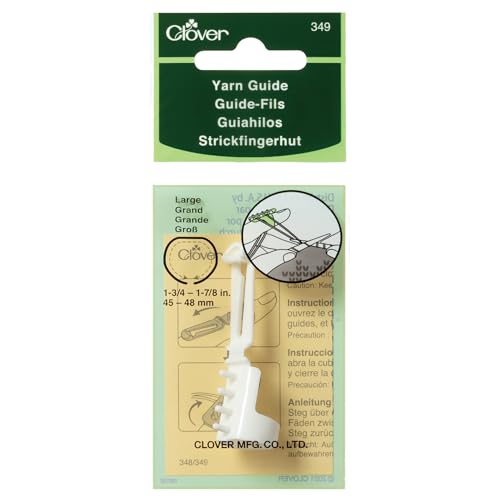

The Clover Adjustable Yarn Guide is a staple in many knitting bags for a reason. It features a simple, open-wire design that allows you to slip your yarn through with minimal fuss, making it ideal for those new to colorwork.
Because it is made from a lightweight, pliable metal, you can gently squeeze or expand the band to fit your finger perfectly. This adjustability is a lifesaver if your fingers tend to swell during long knitting sessions or if you transition between different yarn weights.
However, the open-wire construction can sometimes snag on fuzzy mohair or delicate single-ply yarns. If you are working with a sticky wool, it will glide beautifully, but keep an eye on your yarn choice to avoid unwanted friction.
Prym Ergonomic Knitting Thimble: Precise Tensioning
The Prym Ergonomic thimble is designed for knitters who prioritize comfort and precision above all else. Its plastic, contoured shape sits naturally on the finger, reducing the repetitive strain often associated with holding two strands of yarn manually.

What sets this tool apart is the inclusion of two distinct eyelets, which keep your yarns separated and prevent them from twisting together. This is essential when working with high-contrast colors where you absolutely cannot afford a "color bleed" or tangling in your float management.
While the plastic construction is incredibly lightweight, it doesn’t have the same "forever" quality as metal alternatives. It is a fantastic choice for long-term projects like sweaters, though you may find the fit feels slightly bulky if you have very slender fingers.
Cocoknits Metal Stitch Ring: Durable Steel Design

If you prefer tools that feel substantial and built to last, the Cocoknits Metal Stitch Ring is a top-tier choice. Crafted from high-quality steel, this ring is remarkably thin, which prevents it from interfering with your needle movements or getting caught on your work.
The minimalist design is perfect for knitters who find plastic guides too intrusive or distracting. Because it is made of metal, it provides a smooth surface that allows the yarn to move across your skin without creating excess drag or tension spikes.
Be aware that this ring is a fixed size, so you need to be confident about your finger measurement before purchasing. If you often knit in different climates or find your hand size fluctuates, the lack of adjustability might be a minor drawback.
Tulip Yarn Guide Ring: Best for Delicate Stranding
Tulip is renowned for their meticulous attention to detail, and their yarn guide ring is no exception. It features a smooth, polished finish that is specifically engineered to protect delicate fibers like silk, alpaca, or fine-gauge cashmere.
The guide loop is angled in a way that encourages a natural, ergonomic hand position, which helps maintain consistent tension even when you’re working on intricate, multi-color motifs. It is exceptionally gentle on the yarn, preventing the fraying that can occur with cheaper, stamped-metal guides.
This ring is best suited for knitters who work with luxury fibers and need a tool that won’t compromise the integrity of the yarn. It is a premium investment, but for those who spend hours on complex Fair Isle charts, the comfort is well worth the price.
Knitting Thimble by Boye: Affordable and Reliable

The Boye Knitting Thimble is a classic, no-nonsense tool that has been helping knitters manage their tension for decades. It is an incredibly budget-friendly option that performs exactly as advertised without any unnecessary bells or whistles.
Its design is straightforward, featuring a small hook that keeps your yarn in place as you work. It is particularly effective for knitters who are just beginning to experiment with two-handed colorwork and aren’t ready to invest in a pricier, ergonomic model.
Keep in mind that the metal can be a bit stiff, so you may need a pair of pliers to adjust it to your finger size initially. Once set, however, it provides a reliable, consistent tension that rivals much more expensive alternatives.
The Norwegian Knitting Thimble: Best for Two Colors
The Norwegian thimble is a specialized tool designed specifically for the two-handed style of colorwork. It features a unique, multi-slotted design that allows you to feed two separate colors into your work simultaneously, keeping them perfectly organized.
This tool is a game-changer for those who struggle with "yarn vomit" or tangled balls when knitting with two colors. It forces a separation that ensures your background color and your pattern color remain distinct throughout the entire project.
Because this thimble is more complex than a standard ring, it does have a steeper learning curve. Spend some time practicing with a swatch before starting a large garment, as you will need to adjust your muscle memory to accommodate the guide’s position.
Why Tension Rings Are Essential for Fair Isle Work

Fair Isle knitting relies on the consistent tension of two strands of yarn held at the same time. If your tension varies, your floats—the strands of yarn carried across the back of the work—will either pull the fabric too tight or leave unsightly loops on the surface.
A tension ring provides a mechanical "anchor" for your yarn, ensuring that the same amount of tension is applied to every stitch. This is especially important when working with superwash wool, which can be slippery and prone to unevenness if not guided correctly.
Beyond consistency, these tools significantly reduce hand fatigue. By offloading the work of yarn management to the ring, you can relax your grip, leading to better stitch definition and a more enjoyable knitting experience.
How to Properly Position Your Ring for Even Stitches
To get the most out of your tension ring, position it on the finger that typically manages your dominant color. For many, this is the index finger of the left hand, but feel free to experiment with different placements to see what feels most natural.
The goal is to have the yarn flow smoothly from the ball, through the ring, and onto the needle without any sharp angles. If the yarn has to make a sudden turn, you will create unnecessary friction that leads to tight, distorted stitches.
- Check your angle: Ensure the ring is positioned so the yarn feed aligns with the path of your needle.
- Adjust for gauge: If your stitches look too loose, tighten the ring loop; if they are too tight, open the loop slightly.
- Keep it clean: Regularly wipe your ring to ensure no fiber dust or oils from your skin are creating drag.
Troubleshooting Common Tension Ring Fitting Issues
The most common issue with tension rings is the "spinning" effect, where the ring rotates around your finger while you work. This is usually a sign that the band is too loose or the weight of the yarn is pulling the ring out of place.
If you find your ring is constantly moving, try wearing it on a different finger or pairing it with a thin silicone ring underneath for extra grip. You should also check the tension of your yarn; if you are pulling too hard, you are physically dragging the ring around your finger.
If the ring feels uncomfortable, it is likely too tight or pressing against a nerve. Remember that your fingers naturally expand as you knit due to increased blood flow, so aim for a fit that is secure but not restrictive.
Expert Tips for Mastering Two-Handed Colorwork
Mastering Fair Isle is as much about rhythm as it is about tools. Start by practicing with two high-contrast colors in a simple ribbing pattern to get used to the feel of the ring before moving on to complex, chart-heavy motifs.
Always carry your floats loosely across the back of the work, especially when working on circular projects. If you find your floats are too tight, try knitting with a slightly larger needle size for your colorwork sections compared to your stockinette sections.
Finally, don’t be afraid to drop the ring if it isn’t working for you. While these tools are excellent for many, some knitters prefer the tactile feedback of holding the yarn directly; use the ring as a guide, not a crutch, to find your own unique rhythm.
Finding the perfect tension ring is a journey of trial and error, much like finding your favorite needle material or yarn brand. By testing these different designs, you will eventually find the one that complements your natural hand movement and improves your colorwork consistency. Remember that the best tool is the one that makes you want to pick up your knitting needles and keep going. Happy knitting, and may your floats always be perfectly even.