6 Wool Wash Soaps For Delicate Fibers To Use
Keep your knitwear soft and clean with our top picks. Discover the 6 best wool wash soaps for delicate fibers and protect your favorite garments today.
Fine wool fibers are essentially hair, requiring the same pH-balanced care as human locks to maintain their elasticity and softness. Using the wrong detergent can strip essential oils, cause felting, or leave behind residues that attract moths to your hard-earned projects. Choosing a purpose-made wool wash is the simplest way to extend the lifespan of a hand-knit garment from a single season to a lifetime heirloom. This guide breaks down the industry standards for fiber maintenance so that every stitch remains as vibrant and structured as the day it was bound off.
Eucalan Delicate Wash: Best for Lanolin-Rich Care


Eucalan is the gold standard for maintaining the natural properties of wool. It contains lanolin, a natural wax derived from sheep’s wool that helps re-oil fibers, keeping them supple and water-resistant.
If a project involves high-twist yarns that feel slightly scratchy, Eucalan provides the necessary conditioning to soften the hand of the fabric after blocking. It is particularly effective for wool-silk blends where maintaining the luster and drape is a primary concern.
Because it is a no-rinse formula, it saves fibers from the agitation of multiple rinse cycles. This minimizes the risk of accidental felting, especially when blocking delicate lace shawls where the yarn is already stretched thin.
Soak Wash: Top Pick for Modern Scented Soaking
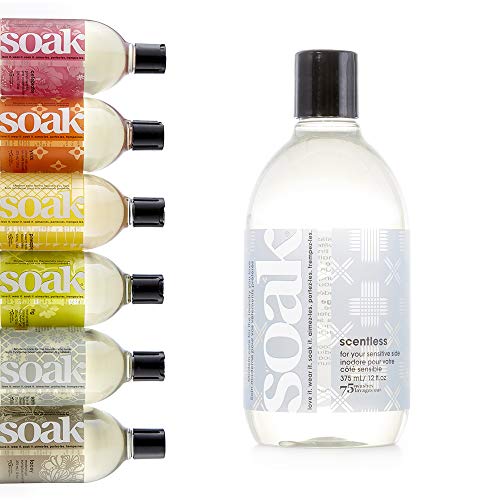
Soak is designed for the modern maker who values efficiency and fragrance. Its claim to fame is its rinse-free formula, which makes it ideal for quick washes when time is of the essence.
The variety of sophisticated, low-profile scents ensures that garments do not smell like industrial cleaning supplies. For those sensitive to fragrances, the unscented version is entirely neutral and won’t linger in the fibers once the piece is dry.
It is an excellent choice for items that are washed frequently, such as cowls worn close to the skin. Its gentle formulation ensures that colors stay vibrant and fibers do not become brittle over time.
Kookaburra Woolwash: Best for Natural Moth Defense

Kookaburra relies on the natural antiseptic properties of tea tree oil to clean fibers. This specific ingredient acts as a mild deterrent for pests, making it a functional choice for storing seasonal items like heavy sweaters or wool blankets.
Unlike chemical-heavy detergents, it is biodegradable and gentle on the environment. It effectively breaks down skin oils and perspiration without requiring harsh additives that might compromise the structure of animal fibers.
This wash is particularly useful for items destined for long-term storage in cedar chests or plastic bins. By laundering with Kookaburra, the risk of moth damage is significantly reduced without the need for toxic naphthalene balls.
Unicorn Fibre Wash: Powerful Scour for Grimy Fibers
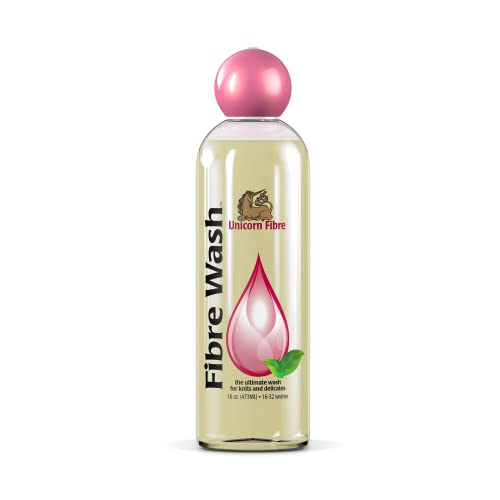
Unicorn Fibre Wash is a heavy-duty solution for when a garment is truly dirty. It is technically a scour, meaning it has a high concentration of surfactants designed to lift stubborn dirt, excess dye, or oils from the surface of the fiber.
It is the preferred choice for those who have just finished a large project using hand-dyed yarns that may still contain residual dye particles. By using this wash, the chance of colors bleeding during the final soak is drastically reduced.
While powerful, it must be used sparingly. Using too much can be counterproductive, potentially stripping away too much natural oil from high-quality wools like Merino or Bluefaced Leicester.
Orvus Paste Soap: The Concentrated Heritage Choice
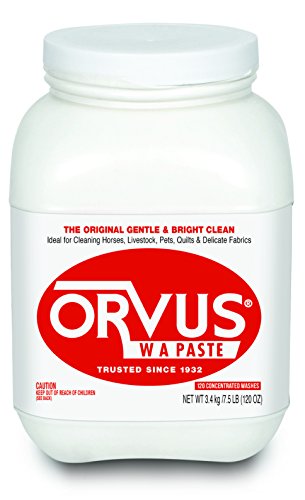
Orvus Paste is a staple in the textile industry and a favorite among serious spinners and weavers. It is a highly concentrated, neutral-pH soap that contains no perfumes or harsh brighteners.
Because it is sold as a dense paste, it is incredibly economical. A tiny, pea-sized amount is sufficient for a large wash basin, making it the most cost-effective option for a household with multiple ongoing knitting projects.
The tradeoff is the preparation required. The paste must be dissolved thoroughly in hot water before adding the garment; placing the paste directly onto wet wool can lead to spot-cleaning difficulties or uneven results.
Knitter’s Pride Wool Soap: Gentle Everyday Cleanser

Knitter’s Pride offers a balanced, mid-range solution for those who want a reliable, fuss-free wash. It is formulated specifically for the types of commercial wool blends most commonly used in contemporary patterns.
The soap rinses away cleanly without leaving any heavy scent or oily residue behind. This makes it a great choice for items that need to be worn immediately after they have finished drying.
It is particularly well-suited for beginners who are nervous about the blocking process. Its consistent performance takes the guesswork out of the equation, allowing the focus to remain on the structure of the garment rather than the chemistry of the soap.
How to Properly Hand-Wash Your Knitted Items
Never agitate, scrub, or twist hand-knits. When washing, fill a basin with cool-to-lukewarm water and stir in the soap before adding the garment. Submerge the piece gently and let it soak for at least 15 to 30 minutes.
After the soak, lift the item out of the water carefully; do not pull it by its weight, as wet wool stretches significantly. Support the fabric from beneath to prevent distortion of the stitches or the overall shape of the garment.
To remove excess water, lay the item flat on a thick, clean towel and roll it up like a sleeping bag. Press down on the roll firmly to transfer moisture from the knit to the towel, then lay the item flat to finish drying away from direct heat or sunlight.
Rinse vs. No-Rinse Soaps: Which Is Better?
No-rinse soaps are convenient, but they leave trace amounts of surfactants and conditioning agents in the fiber. This can actually be beneficial for wool, as it keeps the fibers lubricated and slightly resistant to odors over time.
Rinse soaps are better suited for items that have collected heavy dust or significant grime. A thorough rinse cycle ensures that all particulate matter is removed, preventing the buildup of grit that can act like sandpaper on delicate wool fibers.
If a project involves complex stranded colorwork where some dye migration is possible, a rinse soap is generally safer. It allows for a final check of the water clarity before the garment is set to dry.
Superwash vs. Non-Superwash Wool Care Guide
Superwash wool has been chemically treated to remove the scales on the fiber, making it machine-washable. While it can technically survive a washer, hand-washing with a delicate wool soap still prevents unnecessary wear and pilling.
Non-superwash wool remains susceptible to felting if agitated in warm water. It requires a gentle hand and precise water temperature management; a sudden shift from hot to cold water, known as “thermal shock,” is a fast track to shrinking a sweater.
Always treat non-superwash items with extra care. These fibers retain their memory and shape better over time when they are not subjected to the mechanical stresses of modern laundry appliances.
Can You Use Baby Shampoo or Regular Detergent?
Avoid regular laundry detergents at all costs. These are formulated with enzymes designed to break down protein stains; because wool is a protein-based fiber, these detergents will literally begin to digest the yarn, leading to thinning and eventual breakage.
Baby shampoo is occasionally suggested as a mild alternative, but it is often formulated with additives or conditioners meant for human hair, not wool. Over time, these additives can build up on the yarn, making the finished piece feel heavy, waxy, or limp.
Stick to soaps specifically manufactured for textiles. The small investment in a specialized wool wash preserves the long-term integrity of the yarn, ensuring the structural work put into the project remains intact for years to come.
Proper care is the final, often overlooked stage of the knitting process. By selecting the right wash for the specific fiber content and project usage, you ensure that every garment maintains its intended drape, color, and structural integrity. Treat your yarn with intention, and your hand-knits will provide warmth and beauty for generations.