7 Best Steam Irons For Blocking Experts Recommend
Discover the 7 best steam irons for blocking. Our expert guide highlights top-rated models, focusing on steam output and precision for perfect results.
Blocking is the final, transformative step that turns a collection of stitches into a professional-grade garment. While many knitters focus exclusively on their needles and yarn, the steam iron you choose can make or break the final drape of your piece. These seven irons represent the gold standard for controlling fiber memory and setting your gauge permanently. Investing in the right tool ensures that your hard work doesn’t lose its shape the moment you step out the door.
Reliable Rowenta Focus Excel: Best Overall Choice


The Rowenta Focus Excel is a workhorse that consistently earns its place on the ironing boards of serious knitters. Its precision tip is a standout feature, allowing you to get deep into the corners of intricate lace shawls or tight neckline gussets without distorting the surrounding fabric.
This iron strikes the perfect balance between weight and maneuverability. You need enough heft to press down on stubborn seams, but not so much that your wrist tires after a long session of blocking a full-sized sweater.
The steam distribution is remarkably even, which is crucial for preventing "hot spots" that can accidentally felt or singe delicate fibers. If you want one reliable tool that handles everything from bulky wool sweaters to fine lace, this is the industry benchmark.
Reliable Velocity 230IR: Best for Steam Output

When you are blocking a large project, such as a heavy cabled blanket or a massive shawl, consistency is everything. The Velocity 230IR excels here because it maintains a high, steady volume of steam without the dreaded "spitting" that ruins wet wool.
The internal pump technology ensures that steam is ready the second you press the trigger. This is particularly helpful when you are working with high-twist yarns that have a lot of "spring" and need a heavy dose of moisture to relax into their final shape.
Be aware that this iron is quite powerful, so it requires a bit of a learning curve to avoid over-steaming. Start with short bursts and always keep the iron hovering just above the fabric to let the vapor do the work.
Oliso M3Pro Project Iron: Best for Small Spaces

If your knitting station is also your dining room table, the Oliso M3Pro is a game-changer. Its unique "iTouch" technology lifts the iron automatically when you let go, preventing scorching and saving you from constantly standing the iron upright.
This iron is compact and lightweight, making it ideal for knitters who need to maneuver around pins or blocking wires. It’s perfect for smaller pieces like socks, mittens, or baby garments where a full-sized iron feels cumbersome.
While it lacks the massive water tank of larger models, its portability is unmatched. It’s the tool I recommend for knitters who frequently travel to workshops or retreats and don’t want to compromise on their blocking standards.
Panasonic NI-WL600 Cordless: Best Ergonomic Pick
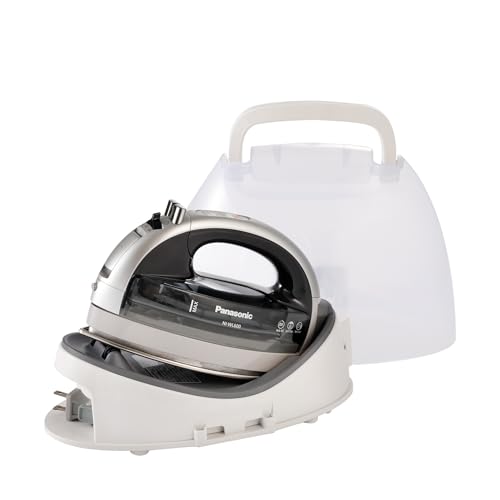
Blocking can be physically taxing, especially if you have joint pain or are working on a large-scale project. The cordless design of the Panasonic NI-WL600 removes the constant battle with a tangled power cord that always seems to snag on your blocking pins.
The double-headed, symmetrical soleplate allows you to move the iron in any direction without catching on your fabric. This is a huge advantage when you are trying to smooth out complex colorwork or stranded knitting where the tension might be slightly uneven.
Because it is cordless, you do have to place it back on its charging base every few minutes. Use this time to inspect your stitches and ensure your blocking wires are perfectly aligned, turning a minor technical limitation into a helpful pause in your workflow.
Black+Decker Digital Advantage: Best Budget Iron

You don’t need to spend a fortune to get professional-grade results. The Black+Decker Digital Advantage is a reliable, no-frills option that gets the job done without unnecessary bells and whistles.
The digital controls are very intuitive, allowing you to set the exact temperature for your specific fiber. This is vital when moving between different yarn types, such as switching from a heat-tolerant wool to a heat-sensitive acrylic or silk blend.
While it may not have the premium build of higher-end models, it offers excellent steam performance for the price. It is an honest, dependable choice for a knitter who prefers to spend their budget on high-quality yarn rather than expensive tools.
CHI Steam Titanium Iron: Best for Delicate Fibers
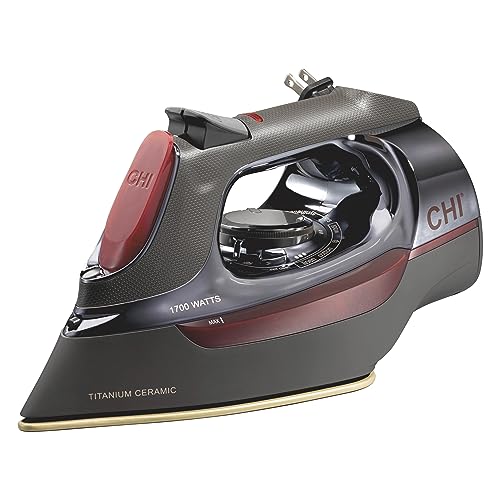
The CHI brand brings its knowledge of hair styling tools to the laundry room, and the result is a soleplate that glides effortlessly over even the most delicate yarns. The titanium-infused surface is incredibly smooth, preventing snagging on mohair or fragile lace.
This iron heats up very quickly and maintains a consistent temperature, which is essential for working with fibers that react poorly to fluctuations in heat. It is particularly effective for "killing" acrylic or synthetic blends, where precise temperature control is the difference between a beautiful drape and a melted disaster.
If you frequently work with luxury fibers like alpaca, cashmere, or silk, the gentleness of this soleplate will protect your investment. It’s a specialized tool that rewards the careful crafter.
Shark Professional Iron: Best for Heavy Blocking
When you are blocking heavy wools or dense, felted projects, you need an iron that can handle the volume. The Shark Professional is known for its high steam output and durable construction, making it perfect for heavy-duty blocking tasks.
This iron features a large water tank, which means fewer interruptions during long blocking sessions. It is a robust machine that can handle the pressure needed to flatten stubborn, thick seams or dense garter stitch panels.
It is a heavier iron, so it might not be the best choice for delicate lace, but for sweaters and home decor projects, it is a powerhouse. If your knitting style leans toward chunky knits and heavy-gauge yarns, this is the tool for the job.
Why Steam Blocking Matters for Your Finished Knits
Steam blocking is the process of using controlled heat and moisture to relax the fibers of your yarn. It allows your stitches to "bloom," filling in the gaps and creating a cohesive, professional fabric that looks like it came from a high-end boutique.
Without blocking, your knitting often looks uneven or "lumpy." Steam helps to equalize the tension across your rows, effectively fixing minor mistakes in gauge that occur naturally as your hands tire or your mood changes during a project.
Beyond aesthetics, blocking is functional. It sets the final size of your garment, ensuring that your hard-won measurements are maintained after washing. It is the bridge between a handmade project and a finished piece of clothing.
Essential Features to Look for in a Blocking Iron
When shopping for an iron, prioritize a precision tip that can navigate around blocking pins and wires. You want a tool that lets you steam the fabric without physically crushing the stitches under the weight of the soleplate.
- Vertical Steam: Essential for steaming garments while they hang.
- Adjustable Temperature: Crucial for managing different fiber types.
- Auto-Shutoff: A safety must-have for the distracted knitter.
- Anti-Drip Technology: Prevents water spots that can leave permanent marks on light-colored yarns.
Always consider the weight of the iron. If you are blocking a large shawl, a heavy iron will eventually cause hand fatigue, which leads to sloppy work. Choose a weight that feels manageable for your specific physical needs.
Proper Steam Techniques for Different Fiber Types
Fiber memory varies wildly, and your steam technique should adapt accordingly. Natural fibers like wool and alpaca love steam and will relax beautifully when treated with a gentle, hovering approach.
- Wool: Needs steam to bloom and set; keep the iron 1-2 inches above the fabric.
- Acrylic: Use low heat and minimal steam; "killing" it with too much heat will permanently flatten the stitches.
- Silk/Linen: Can handle higher heat, but be careful of water spots; use a pressing cloth for safety.
- Cotton: Requires firm pressure and plenty of steam to remove the inherent stiffness of the fiber.
Never touch the iron directly to your knitting unless you are intentionally trying to flatten a seam or a hem. Most of the time, the steam is doing the work, not the metal soleplate itself.
Choosing the right steam iron is an investment in the longevity and beauty of every project you finish. Whether you prioritize precision for lace or power for heavy wools, the right tool will elevate your knitting from amateur to professional. Take the time to understand your yarn’s needs, and your blocking process will become a rewarding ritual rather than a chore. Happy knitting, and enjoy the transformation of your beautiful, well-blocked fabric.