6 Best Wool Wash Concentrates For Delicate Fibers
Keep delicate woolens soft and clean with our top six wash concentrates. Discover the best pH-balanced formulas to protect fibers and prevent shrinkage today.
Investing hours into a hand-knit sweater means you have a vested interest in its longevity and softness. Standard laundry soaps can strip natural oils, leaving your hard work feeling brittle and prone to pilling. Choosing the right wool wash is the final, crucial step in your project’s lifecycle. This guide explores the best options to ensure your garments remain heirloom-quality for years to come.
Eucalan Delicate Wash: Best Overall for Wool
Eucalan is the gold standard for many knitters because it is a no-rinse, pH-neutral formula that simplifies the blocking process. It contains lanolin, a natural fat found in sheep’s wool, which helps replenish the fiber’s protective coating after it has been processed.
This wash is particularly effective for those who worry about over-handling their delicate lace shawls or intricate cables. Because you don’t need to rinse, you eliminate the risk of stretching or agitating the wet fabric under a faucet.
The bottom line is that Eucalan is a reliable workhorse. It is perfect for the knitter who wants a consistent, low-fuss solution that keeps fibers supple and smelling fresh.
Soak Wash: Best No-Rinse Option for Knits
Soak is a modern favorite that prioritizes convenience without sacrificing the health of your yarn. It is exceptionally gentle and comes in a variety of delightful, light scents—or a scentless version—that won’t overpower the natural smell of the wool.
I recommend Soak for knitters who frequently work with superwash wool or delicate blends that might otherwise lose their shape if handled too much. The no-rinse formula is a massive time-saver when you have multiple garments to block simultaneously.
While it is fantastic for everyday maintenance, be mindful that it is thinner than some other concentrated soaps. You don’t need much, so resist the urge to over-pour; a little goes a long way.
Kookaburra Wool Wash: Best for Gentle Cleaning


Kookaburra is a tea-tree oil-based wash that acts as a natural deodorizer and cleaner. It is an excellent choice if you are dealing with vintage yarn finds or garments that have been stored in a cedar chest for a long time.
The tea tree oil provides a mild, antiseptic quality that helps keep moths and other pests at bay. It is a fantastic preventative measure for those of us who live in climates where seasonal storage is a necessity.
Because it is so gentle, it won’t strip the natural luster from your hand-dyed yarns. It is the best choice for a knitter who prioritizes natural ingredients and long-term fiber health above all else.
The Laundress Wool & Cashmere: Premium Care
The Laundress offers a sophisticated, salon-quality clean for those high-end projects that deserve extra attention. If you have spent a small fortune on hand-dyed cashmere or rare breed wool, this is the wash that matches that investment.
The formula is designed to protect delicate proteins in the fiber, preventing the common "fuzzing" that happens with high-quality cashmere. It leaves the garment feeling exceptionally soft, almost like it just came off the spinning wheel.
However, it is a premium product with a price tag to match. Use this for your "special occasion" knits rather than your everyday wool socks to get the best value for your money.
Unicorn Fibre Wash: Best for Heavy Soiling
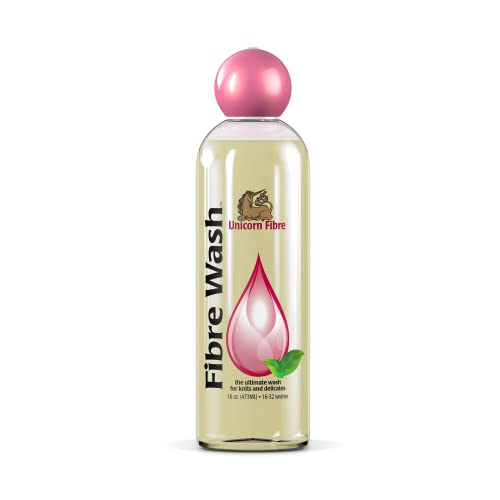
Unicorn Fibre Wash is a heavy-duty option that excels at removing stubborn stains or oils. If you have a sweater that has seen a few seasons of heavy wear, this wash can help restore its original appearance.
It is particularly effective at "scouring," which is the process of cleaning the fiber deeply. This is a must-have if you purchase raw fleece or hand-spun yarn that might still contain some residual lanolin or dirt from the spinning process.
Be aware that it is quite potent. I suggest using it sparingly for deep cleans rather than routine washing, as its strength is more than most daily-wear garments require.
Twig & Horn Wool Soap: Best Natural Choice
Twig & Horn is crafted specifically for the modern maker who values transparency and simple, effective ingredients. It is a castile-based soap that is biodegradable and incredibly gentle on both your hands and your yarn.
The lack of synthetic fragrances makes it ideal for anyone with sensitive skin. If you are sensitive to the perfumes found in many commercial detergents, this soap will be a breath of fresh air.
It is a fantastic choice for those who want to support small-batch, thoughtfully produced supplies. It keeps your knits clean while maintaining the integrity of the fiber’s natural structure.
Why Wool Needs Specialized Cleaning Products
Wool is a protein fiber with a complex, scaly structure that reacts poorly to the harsh, alkaline environment of standard detergents. When you use a regular soap, those scales can become brittle, leading to the dreaded "felted" or "scratchy" texture.
Specialized washes are pH-balanced to keep the fiber scales smooth and healthy. They are formulated to clean without stripping the natural oils that give wool its water-repellent and thermal-regulating properties.
Think of wool wash as a high-quality conditioner for your hair. You wouldn’t use dish soap on your head, so why use it on your favorite hand-knit sweater?
Understanding How to Properly Soak Your Knits
Proper soaking is a meditative process that requires patience rather than force. Fill your basin with cool or lukewarm water, add your wash, and gently submerge your garment without wringing or twisting it.
Let the piece soak for at least 15 to 20 minutes to allow the soap to penetrate the fibers and lift dirt. If you rush this step, you aren’t giving the wash enough time to do its job, which often leads to people over-scrubbing the fabric later.
After the soak, gently squeeze the water out against the side of the basin. Never lift the garment by its shoulders or sleeves while it is wet, as the weight of the water will inevitably cause the yarn to stretch out of shape.
The Risks of Using Standard Detergent on Wool
Standard detergents often contain enzymes like protease, which are designed to break down protein stains like food or mud. Because wool is a protein fiber, these enzymes will literally begin to digest your sweater.
Over time, this weakens the yarn, leading to holes, thinning, and a loss of elasticity. Even if you don’t see immediate damage, the long-term structural integrity of your knitting is being compromised.
Avoid "all-purpose" cleaners at all costs when dealing with wool. The risk of irreversible damage is simply too high to justify the convenience of using what is already under your kitchen sink.
How to Dry Your Garments to Prevent Stretching
Drying is where most knitters accidentally ruin their hard work. Always lay your garment flat on a clean, dry towel, rolling it up like a burrito to remove excess moisture before transferring it to a drying rack.
Never hang a wet wool garment on a hanger, as the gravity will pull the stitches and permanently alter your gauge. If you are drying a heavy sweater, rotate it occasionally to ensure even airflow and prevent moisture from pooling in the bottom hem.
Finally, keep your drying rack away from direct heat sources like radiators or intense sunlight. Excessive heat can shock the fibers and cause them to shrink or lose their shape, undoing all the care you took during the wash.
Taking care of your hand-knits is just as important as the actual knitting process. By selecting a high-quality wool wash and following proper drying techniques, you preserve the life of your garments for years. Treat your yarn with respect, and it will keep you warm for a lifetime. Happy knitting, and may your blocking always be successful.