6 Best Loom Base Stands For Hands-Free Knitting
Discover the top 6 loom base stands for hands-free knitting. Our guide compares stability and ergonomics to help you find the perfect setup for your projects.
Loom knitting offers a fantastic alternative to traditional needlework, but holding a heavy frame for hours can quickly lead to wrist fatigue and tension issues. A solid base stand transforms your loom into a stationary workstation, allowing you to focus entirely on your stitch consistency and yarn tension. Whether you are working on a bulky wool afghan or a delicate silk-blend scarf, the right stand provides the support necessary for long-term comfort. This guide explores the best options to help you elevate your craft and knit pain-free.
KB Looms Adjustable Universal Loom Stand


The KB Adjustable Universal Loom Stand is a staple in many studios for its sheer versatility across different loom shapes. It works remarkably well for those who switch between round looms for hats and long looms for scarves.
The primary advantage here is the multi-angle adjustment feature. Being able to tilt the loom toward you is a game-changer when you are working with dark-colored yarns where stitch visibility is poor.
However, the trade-off is that it requires a bit of assembly time and occasional tightening of the knobs. If you are a knitter who likes to keep their setup mobile, ensure you check the hardware periodically to maintain structural integrity.
CinDWood Crafts Universal Loom Stand Base
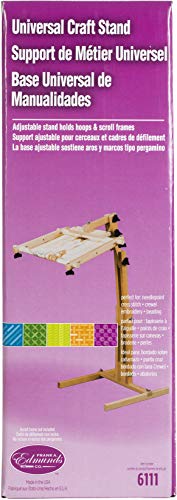
CinDWood is widely respected for craftsmanship, and their universal base is built with a level of sturdiness that feels professional-grade. It is an excellent choice if you frequently work with heavy, high-ply wools that put significant pressure on your loom frame.
The design focuses on low-profile stability, which keeps the loom from wobbling during the rapid movement of the loom hook. This is particularly beneficial when you are performing the e-wrap stitch rapidly across a large-diameter project.
While it is exceptionally stable, it does take up a larger footprint in your craft room. If you are working in a cramped space, measure your area carefully before committing to this robust piece of equipment.
Boye Adjustable Loom Stand for Knitting

The Boye stand is often the first point of entry for many loom knitters because of its straightforward, no-nonsense design. It is lightweight, making it easy to tuck away into a closet when you need your table space back for other projects like blocking finished garments.
This stand is best suited for smaller, circular looms. If you are primarily knitting hats or small cowls, the simplicity of the Boye system is a massive benefit.
Do not expect it to hold up under the weight of an extra-large, floor-length blanket loom, though. It is designed for portability and light-to-medium projects rather than heavy-duty, high-tension knitting.
Authentic Knitting Board Rotating Stand

The rotating feature on this stand is its standout selling point, and once you try it, it is hard to go back to a static position. Being able to spin your work allows you to reach every peg without physically moving your chair or leaning awkwardly.
This is a massive ergonomic win for knitters prone to repetitive strain injuries. By bringing the work to you, you maintain a neutral posture, which is essential when you are working with unforgiving fibers like linen or cotton blends that lack elasticity.
The only drawback is the learning curve required to balance the loom perfectly on the rotating axis. Take the time to center your loom properly, or you will find the rotation feels jerky rather than smooth.
Darice Universal Loom Stand for Crafters

Darice offers an accessible, budget-friendly option that gets the job done without unnecessary bells and whistles. It is a functional stand that provides the basic hands-free experience necessary to keep your hands relaxed and your rhythm steady.
It is particularly useful for beginners who are still experimenting with different loom brands. Because it is highly adjustable, it can accommodate a wide variety of loom sizes and manufacturers.
Just keep in mind that with more affordable stands, the material is often lighter. You might find it helpful to add a small weight to the base if you find the stand shifting while you are hooking off your stitches.
Knitting Board Heavy Duty Floor Stand

When you are committing to a long-term project—like a queen-sized blanket using superwash merino—you need a stand that won’t budge. This heavy-duty floor stand is designed for the serious maker who spends hours at the loom.
The floor-standing design removes the loom from your tabletop entirely, freeing up your hands for better yarn management. This is the gold standard for maintaining consistent gauge, as you aren’t fighting the loom’s weight while trying to tension your yarn.
It is an investment piece, both in price and floor space. However, for the knitter who prioritizes long-term physical health and high-volume production, the stability it offers is unmatched.
Factors to Consider When Choosing a Loom Stand
When selecting a stand, you must consider the weight of your finished projects. A heavy, multi-ply wool project creates a different set of demands than a lightweight acrylic cowl.
- Adjustability: Can it tilt and rotate to meet your specific posture?
- Footprint: Does it fit comfortably within your dedicated crafting area?
- Compatibility: Does it securely hold the specific brand of loom you own?
- Weight Capacity: Will it remain stable when loaded with heavy yarn?
Always prioritize ergonomics over aesthetics. A stand that looks beautiful but forces you to hunch over will eventually cause the very tension and pain you are trying to avoid.
Stability and Ergonomics in Loom Knitting
Stability is not just about the stand not tipping over; it is about creating a predictable environment for your hands. When the loom is secure, you can develop a "muscle memory" rhythm that significantly increases your knitting speed.
Ergonomics in knitting is about keeping your wrists in a neutral position. If you have to reach across a table or hold your arms in the air to reach the pegs, you are inviting strain.
A good stand should bring the loom to your elbow height. This allows your shoulders to stay relaxed and your elbows to remain close to your body, preventing the "knitter’s hunch."
Benefits of Hands-Free Knitting Techniques
Hands-free knitting allows you to use both hands for the actual manipulation of the yarn and the loom hook. One hand can manage the yarn tension while the other works the hook, resulting in much more uniform stitches.
This technique is especially helpful when working with variegated or hand-dyed yarns. Because you aren’t struggling to hold the loom, you can focus on where the color changes fall, ensuring a beautiful, intentional look in your fabric.
Ultimately, hands-free knitting transforms the craft from a physical struggle into a rhythmic, meditative practice. It allows you to knit for longer sessions without the onset of hand cramping or thumb fatigue.
Tips for Maintaining Your Loom Base Hardware
Loom stands are subjected to a lot of vibration and pressure during the knitting process. Over time, this can cause screws to loosen and joints to become slightly misaligned, affecting the stability of your setup.
- Monthly Check: Tighten all wing nuts and bolts to ensure there is no "play" in the frame.
- Lubrication: If you have a rotating stand, apply a tiny amount of lubricant to the moving parts once a year to keep the motion fluid.
- Surface Care: Wipe down wooden stands with a soft cloth to remove yarn dust and fiber debris that can build up in the joints.
Treating your stand with the same care as your needles ensures it will last for years. A well-maintained tool is the hallmark of a seasoned maker who understands that the quality of the process directly impacts the quality of the finished garment.
Finding the right loom stand is a personal journey that depends on your physical needs and the scale of your projects. By prioritizing stability and ergonomic alignment, you can turn your loom knitting into a sustainable and deeply enjoyable hobby. Don’t be afraid to adjust your setup as your skills grow and your project list changes. With a sturdy base beneath your loom, you will find that your stitches become more consistent, your speed increases, and your hands remain happy for years to come.