7 Best Dusting Masks For Fiber Processing Safety
Protect your lungs during fiber processing. We evaluate the 7 best dusting masks to ensure optimal respiratory safety and comfort for your crafting projects.
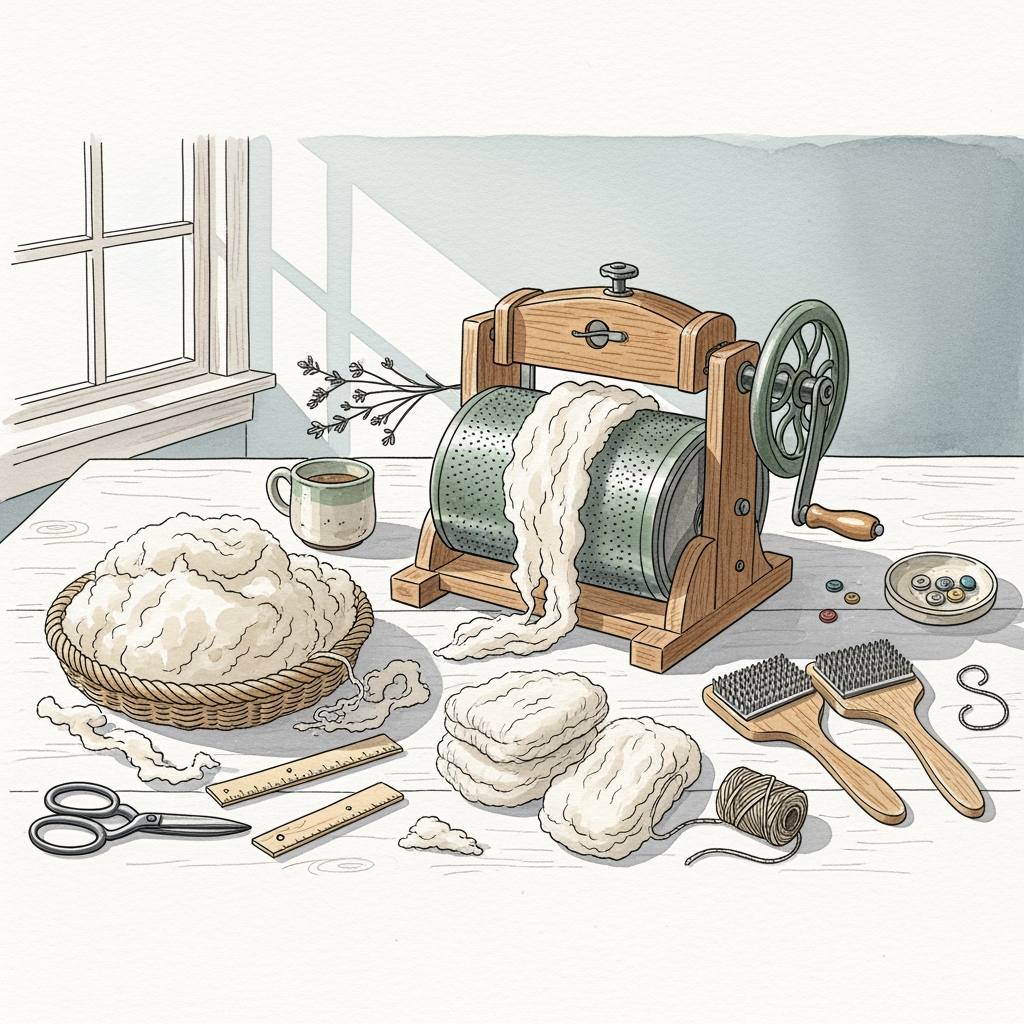
Many knitters overlook the invisible cloud of fiber dust that settles in the air when working with raw fleeces, roving, or high-shed yarns. Over years of processing wool and spinning, I have learned that protecting your lungs is just as vital as choosing the right needle material. This guide explores the best respiratory protection to keep your fiber arts practice healthy and sustainable. Investing in a quality mask ensures you can continue creating beautiful garments for decades to come.
3M Aura 9205+ N95: Best Overall for Fiber Dust
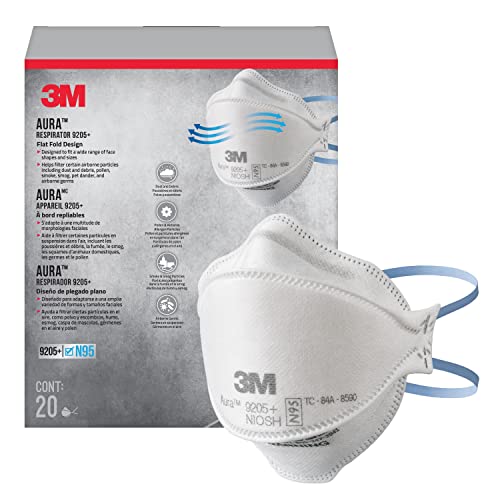

This mask is a favorite in the knitting community because of its unique three-panel design. It unfolds to create a spacious interior that doesn’t collapse against your mouth while you’re counting stitches or talking through a pattern.
The adjustable nose clip is particularly effective at preventing "foggy glasses" syndrome. If you wear spectacles while working on intricate lace charts, you know how frustrating it is to have your vision obscured by condensation.
Because it forms such a tight seal, it captures even the finest microscopic debris from dusty alpaca or mohair. It is the gold standard for anyone who spends long afternoons carding raw wool.
GVS Elipse P100: Best Low-Profile Respirator
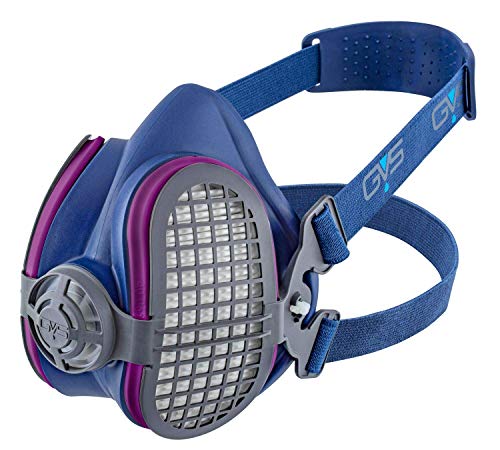
When you are hunched over a spinning wheel or a blending board, you need a mask that stays out of your way. The GVS Elipse is remarkably compact, allowing you to maintain a natural posture without the mask bumping into your tools.
The P100 filters provide a higher level of protection than standard N95s, which is ideal if you are sensitive to the lanolin or dander often found in raw fleeces. It’s a bit of an investment, but the replaceable filters make it a long-term companion for your fiber studio.
Just be aware that the rubber construction can feel a bit warm during marathon spinning sessions. If you are prone to overheating, plan for short, frequent breaks to let your skin breathe.
Honeywell H801 N95: Best Value for Bulk Processing

If you are preparing a massive stash of raw wool for a large-scale project, you will go through masks quickly. The Honeywell H801 offers a reliable, no-frills barrier that keeps costs down without sacrificing safety.
These masks are lightweight and easy to keep in your project bag. I find them perfect for keeping on hand when I’m quickly sorting through a new shipment of fleece to check for vegetable matter.
They don’t have the fancy bells and whistles of premium masks, but they get the job done. They are the "workhorse needles" of the mask world—dependable, functional, and essential for the bulk work.
Moldex 2200 N95: Best Comfort for Long Fiber Sessions

Comfort is the primary reason many knitters give up on wearing masks entirely. The Moldex 2200 features a unique mesh shell that prevents the mask from collapsing, keeping the interior space cool and airy even when you’re working hard.
The strap system is designed to be durable and comfortable, avoiding that "pinched" feeling behind the ears. If you are sensitive to pressure, this design is a game-changer for long fiber processing days.
Because it maintains its shape so well, it’s easier to take off and put back on throughout the day. It’s a great choice if your fiber processing is done in short bursts between knitting sessions.
3M 8210 N95: Best Reliable Standard for Raw Wool

The 3M 8210 is the classic, reliable choice that you see in most workshops. It is a sturdy, cup-shaped mask that provides a very secure fit for most face shapes, which is the most important factor in preventing dust inhalation.
It isn’t as breathable as the newer, folded designs, but it offers a level of consistency that is hard to beat. If you are working with particularly "dirty" or dusty raw wool, this mask gives you the confidence that you are protected.
It is a straightforward, effective tool. Think of it like a classic stainless steel needle—it might not have the ergonomic grip of modern alternatives, but it never lets you down.
Kimberly-Clark N95 Pouch: Best Breathable Option
The pouch-style design of this mask is incredibly breathable, which makes it my top pick for warmer studio environments. When you are working in the summer heat, you need airflow to keep your focus on your fiber.
It is remarkably soft against the skin, which helps prevent the irritation that can come from wearing a mask for hours. For those who find standard masks claustrophobic, this pouch design feels much more open and natural.
It is an excellent choice for knitters who need protection but struggle with the sensation of a mask against their face. It balances safety with a high level of personal comfort.
Dentec Comfort Air: Best Reusable Mask Choice
The Dentec Comfort Air is a professional-grade option for the dedicated fiber artist. Because it is reusable, you aren’t constantly throwing away disposable masks, which is a big plus for the eco-conscious crafter.
The soft silicone seal is far more comfortable than the foam or elastic edges on disposables. It conforms to your face exceptionally well, ensuring that no stray fibers or dust particles leak in through the sides.
While it requires maintenance and filter changes, the long-term comfort and superior seal are worth it. If you spend more time processing fiber than you do actual knitting, this is your best long-term investment.
Why Fiber Dust Protection is Vital for Knitters
Many knitters assume that fiber dust is harmless because it’s "natural." In reality, the fine particulate matter released during carding, combing, and spinning can cause significant respiratory irritation over time.
This is especially true with fibers like mohair, angora, or raw sheep’s wool. These fibers often contain microscopic scales and dander that, when aerosolized, can trigger asthma-like symptoms or chronic coughing.
Protecting yourself isn’t just about avoiding a sneeze; it’s about preserving your health for years of future knitting. A small investment in a mask today prevents potential health complications that could force you to put down your needles for good.
Understanding N95 vs P100 Ratings for Wool Fiber
When shopping for masks, you will see "N95" and "P100" ratings everywhere. An N95 mask is designed to filter out at least 95% of airborne particles, which is usually more than sufficient for most fiber processing tasks.
A P100 rating means the filter is 99.97% efficient and is also oil-proof, which is generally overkill for wool but excellent for those with severe allergies. Stick to N95s for general knitting dust, and look toward P100s if you are working with fibers treated with oils or chemicals.
The most important thing isn’t the rating difference, but the fit. A P100 mask that doesn’t seal properly is less effective than an N95 that fits your face perfectly.
How to Properly Fit Your Mask for Fiber Safety
A mask is only as good as its seal against your skin. Start by positioning the mask over your nose and chin, then adjust the straps so they hold the mask firmly in place without being painfully tight.
Use the nose clip to contour the mask to the bridge of your nose; this is where most leaks occur. If you feel air blowing into your eyes when you exhale, your mask is not sealed correctly.
Finally, do a quick "user seal check" by inhaling and exhaling sharply. If you feel air escaping around the edges, adjust the straps or the nose clip until the mask pulls toward your face with every breath.
Taking these precautions ensures that your fiber arts journey remains a source of joy rather than a health concern. Whether you are prepping raw fleeces or simply working with high-shed yarns, a well-fitted mask is an essential tool in your kit. Choose the option that best fits your workflow and face shape, and breathe easy while you create. Happy knitting, and stay safe at the wheel and the needles.