
6 Best Blocking Combs For Heavy Blankets To Use
Discover the 6 best blocking combs for heavy blankets. Learn how these essential tools ensure even tension and professional finishes for your knit projects.
Blocking a heavy blanket is the ultimate test of both your patience and your tools. When you are dealing with several pounds of wet wool or acrylic, standard pins simply cannot hold the weight without distorting your stitches. Investing in the right blocking combs transforms a daunting, messy task into a satisfying finishing process. These six options represent the most reliable solutions for taming large-scale projects.
Knitter’s Pride Knit Blockers: The Industry Gold


These blockers are the gold standard for a reason, featuring a row of sharp pins embedded in a sturdy, translucent plastic base. The design allows you to anchor a significant amount of fabric with a single motion, saving you from the tedious task of placing dozens of individual pins.
For a heavy blanket, the sheer length of these blockers is a massive advantage. You can cover long stretches of edge in seconds, ensuring that your border remains perfectly straight. They are particularly effective when you need to maintain a consistent tension across a long, flat section.
However, the plastic base can sometimes feel bulky if you are working on a smaller blocking mat. They are best suited for large, flat surfaces where you have plenty of room to maneuver. If you are a prolific blanket knitter, these are arguably the best long-term investment you can make.
Clover Blocking Combs: Best for Precision Control
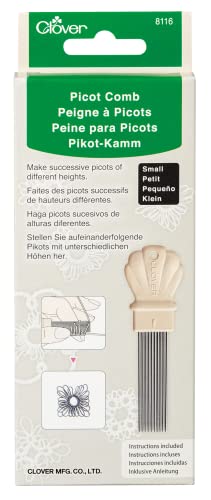
Clover’s approach to blocking combs emphasizes a balance between grip and ease of use. These combs are designed to sit flush against your blocking mat, providing a very low profile that minimizes the risk of snagging your yarn while you work.
The pins are spaced just right to catch multiple stitches without causing unwanted puckering. This is crucial for heavy blankets, where the weight of the fabric can easily pull stitches out of alignment if they aren’t secured evenly.
If you struggle with hand fatigue during the finishing process, the ergonomic shape of the Clover combs is a welcome relief. They are easy to push into dense mats and even easier to pull out once the project is dry. They are the go-to choice for knitters who value a clean, professional finish above all else.
Cocoknits Blocking Pins: Durable Steel Reliability

Cocoknits products are famous for their minimalist aesthetic and high-quality materials. Their blocking pins are made from stainless steel, which is a significant benefit if you are blocking wet, heavy blankets that require a long drying time.
Unlike plastic-based combs, these steel pins are incredibly slim and won’t rust, even if you leave them in a damp blanket for several days. They provide a very secure hold, digging deep into the mat to resist the "pull" of a heavy, water-logged wool project.
The tradeoff here is that they require a bit more manual dexterity to place compared to the wider comb designs. If you have arthritis or difficulty with fine motor tasks, you might find the individual pins slightly more taxing. For pure, long-lasting durability, however, they are hard to beat.
Boye Blocking Combs: Best Budget-Friendly Option

If you are just beginning to build your collection of knitting tools, Boye blocking combs offer a reliable entry point. They get the job done without the premium price tag, making them an excellent choice for knitters who aren’t ready to invest in high-end sets.
These combs are functional and straightforward, featuring a classic design that has been used in craft rooms for decades. They hold well enough for most medium-weight projects, though they may require a few extra pins if your blanket is exceptionally heavy or dense.
Keep in mind that the finish on these combs can sometimes be a bit rougher than more expensive alternatives. Always check the tips for any burrs before using them on delicate fibers like alpaca or silk. A quick buff with a nail file can smooth out any imperfections before they get near your precious yarn.
Ashford Blocking Combs: Sturdy Design for Heavier

Ashford is a brand synonymous with fiber arts, and their blocking combs reflect that deep industry knowledge. These are built with a wider base and sturdier pins, specifically engineered to handle the weight of hand-woven or heavy hand-knitted textiles.
The extra heft of these combs means they don’t tip over or shift once they are pressed into the mat. This stability is a game-changer when you are blocking a large afghan that seems to have a mind of its own.
While they are excellent for heavy projects, they might be overkill for light lace shawls or delicate baby garments. If your knitting repertoire leans toward thick, chunky blankets and heavy woolens, these should be high on your list. They provide the structural support that lighter tools simply cannot offer.
Lacis Blocking Combs: Excellent for Large Projects
Lacis has a long history of providing specialized tools for needleworkers, and their blocking combs are no exception. They are designed for precision and longevity, often favored by those who take their finishing work very seriously.
The pins on these combs are exceptionally sharp and consistent, allowing you to penetrate even the densest blocking mats with ease. This sharpness is a double-edged sword, however; you must be careful not to poke yourself or snag your yarn during the setup.
These are particularly great for large-scale projects because they allow for a very uniform tension across the entire piece. When you are blocking a blanket that spans several feet, having a set of tools that provides consistent, reliable anchoring is essential. They are a professional-grade tool for the dedicated fiber artist.
Why Blocking Combs Outperform Standard T-Pins
Standard T-pins are a staple of any sewing kit, but they are often inadequate for heavy knitting. Because T-pins are individual, they create "scalloping" or uneven edges if you aren’t extremely careful about spacing them perfectly.
Blocking combs, by contrast, distribute the tension across a wider area. By anchoring several stitches at once, they ensure that the edge of your blanket stays perfectly straight and uniform. This is the difference between a homemade look and a boutique finish.
Furthermore, T-pins can easily pop out of a mat when the weight of a wet blanket pulls on them. Combs have a wider footprint and multiple points of contact, making them far more resistant to the forces of gravity. If you want to avoid constant re-pinning, switch to combs.
How to Properly Secure Heavy Blankets for Blocking
When blocking a heavy blanket, the most important rule is to support the weight. Never let the blanket hang off the edge of your table or blocking surface while it is wet, as the weight will stretch your stitches into grotesque, uneven shapes.
Start by pinning from the center outward, working toward the edges. This prevents the fabric from bunching up in the middle. Use your blocking combs to anchor the corners first, then work along the sides to establish your shape.
Remember that wet wool is essentially a structural fluid; it will take the shape you give it. If you pin it too tightly, it will remain stretched. If you pin it too loosely, it will look sloppy. Aim for a gentle, even tension that respects the natural drape of the fiber.
Essential Tips for Even Tension on Large Textiles
Achieving even tension across a large piece requires a systematic approach. Use a measuring tape to ensure that your corners are square and your sides are parallel. A blanket that is out of square is notoriously difficult to fix once it dries.
If you are working with superwash wool, be aware that it tends to grow significantly when wet. Pin it to the desired dimensions, but don’t over-stretch it, or you will end up with a blanket that is thinner and larger than you intended.
For heavy, non-superwash wool, you can be a bit more aggressive with your blocking to open up the stitches. Always use a damp cloth or a spray bottle to keep the area moist while you are working. Consistency is the key to a professional-looking result.
Troubleshooting Common Blocking Issues for Knits
The most common issue is the "rust ring," which happens when cheap metal pins are left in a damp project for too long. Always use high-quality stainless steel or plastic-coated tools to avoid permanently staining your hard work.
If your stitches look distorted after unpinning, you may have over-stretched the fabric. This is common with synthetic fibers that don’t have the same "memory" as natural wool. If this happens, mist the area lightly and let it relax back into its natural shape.
Finally, if your blocking mat isn’t dense enough to hold your combs, your project will shift. Consider using a dedicated blocking board or a high-density foam mat. A stable foundation is just as important as the tools you use to anchor your stitches.

Choosing the right blocking combs is an investment in the longevity and beauty of your hand-knitted blankets. By selecting tools that match the weight and fiber of your project, you ensure that every stitch is showcased to its full potential. Take your time with the process, and remember that professional finishing is the final, vital step in your creative journey. Your finished blanket will thank you for the extra care and precision.