6 Best T-pins for blocking lace Knitters Rely On
Blocking lace requires precision. We’ve curated the 6 best rust-resistant T-pins that knitters trust to keep delicate projects perfectly shaped and secure.
Blocking is the final, transformative step that turns a crumpled piece of knitting into a professional-grade masterpiece. Without the right T-pins, your delicate lace will never achieve the crisp, open stitch definition you spent dozens of hours creating. Choosing the wrong pins can lead to rust stains or snagged yarn, ruining your hard work in an instant. Here are the six best T-pins that experienced knitters rely on to ensure their projects look perfect every time.
Clover T-Pins: The Gold Standard for Lace Projects


Clover T-pins are widely considered the industry benchmark for a reason. They feature a smooth, polished finish that glides through even the most delicate lace-weight mohair without snagging a single fiber.
The T-bar head is perfectly sized, offering enough surface area to grip comfortably without feeling bulky in your hand. When you are pinning out a complex shawl with hundreds of points, this ergonomics-focused design prevents hand fatigue.
These pins are consistently straight and sharp, ensuring that your blocking lines remain perfectly even. If you are working on a project with intricate picot edges, the precision of a Clover pin is worth the investment.
Dritz Extra-Long T-Pins for Thick Blocking Mats
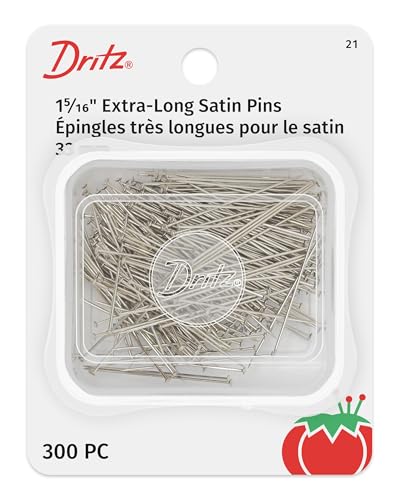
When you are blocking heavy wool sweaters or chunky blankets, standard pins often fall short. Dritz Extra-Long T-pins provide the extra reach required to penetrate thick foam blocking mats while still securing multiple layers of fabric.
The added length is a game-changer when you need to pin through a folded edge or a double-thick hem. Because they are longer, they provide more leverage, meaning they are less likely to pop out when the tension of the yarn is pulling against them.
These are not the pins for your most delicate silk lace, as the gauge is slightly thicker than precision pins. However, for structural blocking where stability is the priority, they are an essential tool in your kit.
Singer Stainless Steel T-Pins: Rust-Free Reliability

Rust is the mortal enemy of any hand-knitted garment, especially when blocking light-colored yarns. Singer Stainless Steel T-pins are specifically engineered to resist oxidation, even when left in damp projects for extended periods.
The stainless steel construction means you don’t have to worry about "pin rot" or unsightly orange spots appearing on your finished lace. This peace of mind is invaluable when you are blocking a white lace wedding shawl that might need to stay pinned for several days.
While they are slightly more expensive than basic nickel-plated options, the long-term protection for your yarn is well worth the cost. Always check the packaging to ensure you are buying the stainless steel version, as not all Singer pins are created equal.
Offgrid T-Pins: Heavy-Duty Choice for Large Shawls

If you are a fan of massive, crescent-shaped lace shawls, you know the struggle of keeping the outer edge taut. Offgrid T-pins are designed for heavy-duty applications where standard pins might bend under the pressure of aggressive stretching.
These pins are made from high-tensile steel, offering superior resistance to warping. When you are pinning out a large project that requires significant tension to open up the lace motifs, these pins will hold their shape perfectly.
They are particularly useful for knitters who use heavy blocking wires, as they can be placed behind the wire to hold it firmly in place against the mat. If your blocking style involves maximum tension, these are the pins you want in your arsenal.
Boye T-Pins: The Essential Budget-Friendly Option

Boye T-pins are the reliable workhorse of the knitting world, found in almost every local craft store. They are affordable, accessible, and get the job done for everyday projects like scarves and basic cowls.
While they may lack the high-end finish of premium brands, they are perfectly adequate for blocking non-lace items or practice pieces. If you are a beginner building your tool kit on a budget, these pins allow you to buy in bulk without breaking the bank.
Be mindful that these are often nickel-plated; they are not intended for long-term storage in damp, light-colored projects. Use them for quick blocking sessions and ensure the garment is completely dry before removing them.
Prym T-Pins: Precision Tips for Delicate Fibers

Prym is known for German engineering, and their T-pins are no exception. They feature exceptionally sharp, tapered tips that slide effortlessly between stitches without splitting the yarn ply.
This precision is vital when working with high-twist yarns or luxury fibers like silk and alpaca. A dull pin can easily snag a strand of yarn, causing a permanent loop or pull in your finished fabric; Prym pins minimize this risk significantly.
If you find yourself frequently knitting with fine-gauge lace yarns, the quality of your pin tip is the most important factor. Prym pins offer the consistent sharpness needed to handle these delicate fibers with the care they deserve.
Why Stainless Steel Matters for Your Blocking Pins
Using non-stainless pins is a gamble that rarely pays off in the long run. Moisture is essential for blocking, but it is also the primary catalyst for rust, which can permanently stain your yarn.
- Nickel-plated pins: Often cheaper, but the coating can wear off, exposing the reactive metal underneath.
- Stainless steel pins: Inherently resistant to corrosion, making them the safest choice for all fiber types.
- Fiber reactivity: Natural fibers like wool are more absorbent and hold moisture longer, increasing the risk of rust stains.
Always prioritize stainless steel if you intend to leave your project pinned for more than 24 hours. It is a simple upgrade that protects your investment in high-quality yarn.
How to Choose the Right T-Pin Size for Your Lace
Selecting the right pin size is about balancing the weight of your yarn with the tension of your blocking mat. For fine lace, you need a thin-gauge pin to prevent distorting the delicate stitch loops.
- Lace weight: Use thin, precision-tipped pins to avoid stretching the individual stitches.
- Worsted/Bulky: Use thicker, longer pins to handle the weight and tension of the fabric.
- Mat density: Ensure your pin is long enough to pass through your yarn and anchor firmly into the foam.
If you find your pins are constantly falling out, you are likely using a pin that is too short for your blocking mat. Match the pin gauge to your yarn weight for the most professional, consistent results.
Proper Blocking Techniques to Protect Your Stitches
Blocking is not just about stretching; it is about setting the stitches in their final, relaxed position. Start by soaking your project in lukewarm water with a gentle wool wash, then gently squeeze out the excess moisture in a towel.
When pinning, work from the center outward to ensure symmetry. Do not over-stretch the lace; aim to open the motifs just enough to reveal their design, rather than pulling the fabric until it becomes sheer.
Remember that different fibers react differently to blocking. Superwash wool will grow significantly when wet, while silk or linen may require more aggressive pinning to hold their shape. Always test a swatch if you are unsure how your yarn will behave.
Essential Tips for Storing and Organizing T-Pins
Keeping your T-pins organized prevents them from getting lost or bent in your project bag. A magnetic pin cushion is the best way to keep them accessible while you work, as it allows you to grab and replace pins with one hand.
For long-term storage, use a small, airtight plastic container or a dedicated tin. Keeping them in a dry environment will prevent any potential oxidation, even if you are using stainless steel pins.
Consider labeling your containers by size or type if you have a large collection. A tidy workspace leads to a more enjoyable knitting experience, ensuring your tools are ready whenever you finish your next project.
Investing in high-quality T-pins is one of the most underrated ways to elevate your finished knitting projects. By understanding the specific needs of your yarn and the mechanics of your blocking process, you can choose the right tool for every scenario. Whether you are blocking a simple scarf or an heirloom lace shawl, these pins will provide the stability and safety your stitches require. Happy blocking, and may your points always be perfectly crisp.