6 Best Silicone Page Turners For Crisp Reference Pages
Enhance your reading experience with our top 6 silicone page turners. Discover how these ergonomic tools provide crisp, effortless flips. Shop our best picks today.
Maintaining focus while navigating a complex lace chart or a dense technical pattern requires more than just concentration; it demands the right physical setup. Flipping pages with yarn-covered hands often leads to lost place, smudged ink, or frustrating paper tears. Utilizing a dedicated page turner or weight minimizes these disruptions, ensuring the flow of a project remains uninterrupted. Selecting the right tool is the difference between a meditative knitting session and a repetitive cycle of restarting rows.
Book Bone Weighted Page Holder: The Classic Choice
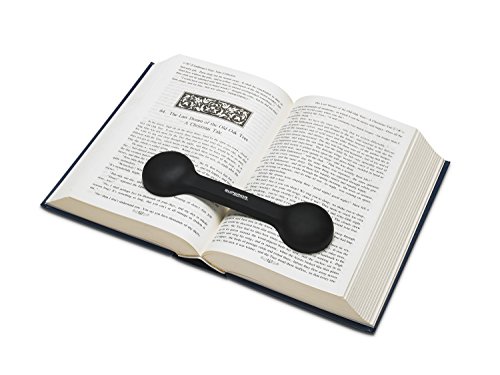

The Book Bone is the standard-bearer for those who prefer an elegant, non-intrusive solution. It relies on a simple, weighted design that rests across the center fold of a pattern book.

This tool is particularly effective for heavy pattern books that struggle to lie flat on a workspace. Because it lacks clips or springs, it will never crimp or damage high-quality paper.
For the knitter working through a thick sweater compilation or a comprehensive stitch dictionary, this is the most reliable way to keep pages open without adding bulk to the edges of the book.
LEVO G2 Book Holder Page Clips: Secure & Versatile

The LEVO G2 system offers a more industrial approach, utilizing robust clips designed to hold pages open against tension. These are essential for lightweight pamphlets or loose-leaf pattern printouts that naturally curl.
When working with loose sheets, standard weights often slide off, but these clips provide a firm, locking grip. They are adjustable, allowing for different paper thicknesses or the inclusion of multiple pages at once.
Be mindful that these clips exert more pressure than a weighted bone. Reserve these for thicker, sturdier paper to avoid unintended creases in delicate charts.
Superior Essentials Page Holder: Best Budget Pick
For the minimalist who needs a functional tool without a high investment, the Superior Essentials model offers a straightforward design. It mimics the weighted style, providing a clean line that keeps both sides of an open book flattened.
This is an excellent option for beginners who are building their tool kit and prioritize spending on high-quality needles or luxury yarns. It does exactly what is promised without unnecessary bells or whistles.
While it lacks the heavy aesthetic of more expensive versions, it is perfectly suited for standard pattern booklets. Keep it on a side table to ensure a quick transition between row instructions.
Knitter’s Friend Silicone Page Anchor: Top Pick
The Knitter’s Friend silicone anchor is designed specifically with the unique needs of a fiber artist in mind. Its flexible material creates a soft, non-slip grip that stays put even when the workspace is slightly tilted or cluttered with yarn balls.
The advantage of silicone lies in its tactile grip; it clings to paper slightly, preventing the subtle, annoying shifts that occur during an evening of knitting. It is lightweight, durable, and impossible to accidentally break if dropped on a hardwood floor.
This is the premier choice for those who move between the living room chair and the knitting group meeting. It bridges the gap between portability and performance better than any other material.
Thumb Thing Book Page Holder: For On-the-Go Reading
The Thumb Thing is a unique, wearable solution that allows for one-handed page holding. By sliding a finger through the ring, the wings of the tool hold the book open naturally as the knitter reads.
This is ideal for quick glances at a pattern while commuting or during a brief break in a long car ride. It removes the need to find a flat surface, as the book is effectively anchored by the hand holding it.
It does require a bit of hand dexterity to master comfortably. Those with hand fatigue or joint discomfort should consider whether the ergonomic demand of holding the book open is sustainable for long-term project work.
GOGOING Book Weight: Simple and Heavy-Duty
When a pattern is printed on slick, glossy magazine paper, standard clips often slide off under the tension of the page curl. The GOGOING weight utilizes heavier materials to counteract the natural “spring” of tightly bound books.
It is particularly useful for reference books that have been stored on a shelf for a long time and resist opening. The added mass ensures the pages stay exactly where they are placed.
Do not let the weight overwhelm smaller, delicate booklets. If the pattern is printed on thin stock, the density of this tool might cause the paper to sag or tear if not positioned carefully.
How to Pick the Right Page Turner for Your Project
Choosing the right tool depends entirely on the thickness of the book and the environment of the knitting session. If the workspace is stationary and spacious, a heavy weighted bone is usually superior.
If the pattern consists of loose-leaf sheets, clips are non-negotiable. Always consider the material weight of the paper; thin, matte paper needs gentle tools, while glossy, thick paper requires high-tension clips or heavier weights.
- For loose sheets: Opt for clip-based systems.
- For thick hardcovers: Choose weighted bones.
- For travel: Prioritize compact silicone anchors or wearable rings.
Page Weights vs. Page Clips: Which Do You Need?
Page weights are passive tools that rely on gravity. They are best for patterns that are already mostly flat and simply require a gentle nudge to stay open.
Page clips are active tools that provide constant, firm pressure. They are necessary for books with “memory,” such as those with heavy binding that forces the book to snap shut as soon as it is released.
Always test the tension before clamping. If the clip leaves a mark after just a few minutes, the pressure is too high for the paper quality being used.
Keeping Your Place in Charts, Books, and Patterns
Beyond holding the book open, the most effective system is one that tracks current progress. Use silicone holders in conjunction with magnetic row counters or removable stitch markers placed directly on the chart line.
This creates a dual-layer system where the page turner maintains the orientation of the book, while the marker provides an immediate, visual reference for the row currently in progress. This is the most effective way to prevent missed stitches during complex cable work or intricate color patterns.
Never rely solely on a bookmark to find a specific row. Always combine physical page holding with a secondary, line-specific tracking method.
Caring For Your Silicone Page and Chart Holders
Silicone is prized for its longevity, but it can attract dust and lint from yarn fibers over time. A simple wipe with a damp, lint-free cloth is usually sufficient to restore its natural grip.
If the surface becomes truly dirty, use mild dish soap and warm water, then allow it to air dry completely. Avoid using harsh chemicals or abrasive sponges, as these can degrade the smooth, grippy finish of the silicone.
Proper care ensures that the tool retains its tackiness for years. Store them away from direct heat to prevent any potential warping or degradation of the material’s structural integrity.
Investing in a reliable page turner transforms the knitting experience from a constant search for the current row into a seamless, rhythmic practice. Select the tool that fits the specific weight and binding of your pattern collection, and notice how quickly the frustration of lost places fades away.