
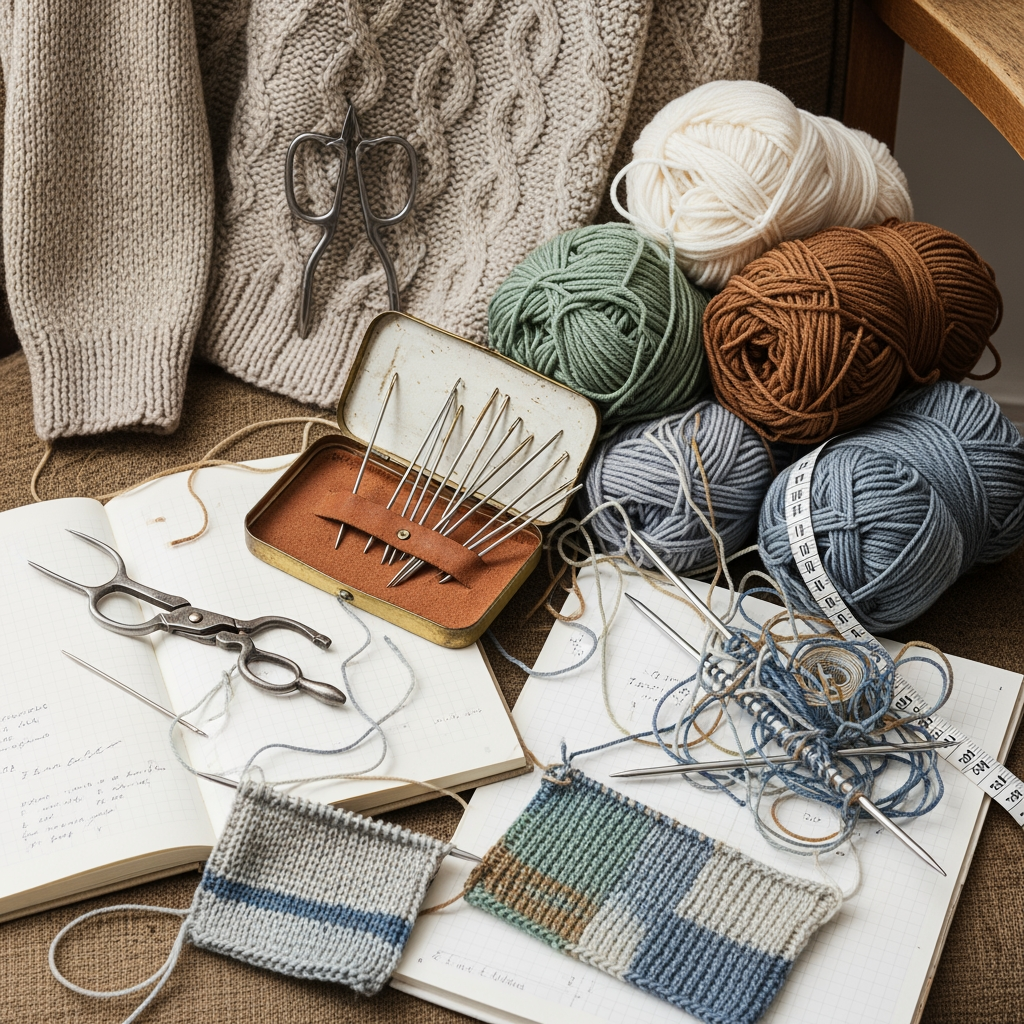
6 Best Fine Point Needles For Clogged Tips To Keep
Struggling with clogged glue or paint bottles? Discover the 6 best fine point needles to keep tips clear and flowing. Read our expert guide to fix them today.
Every crafter knows the frustration of a project coming to a screeching halt because a glue tip has hardened or a precision applicator has developed a stubborn obstruction. Whether working with delicate lace glues, fabric stiffeners, or fine-point textile adhesives, having the right tool to clear those blockages is just as important as the yarn stash itself. Fine-point needles and specialized cleaning wires act as the first line of defense for maintaining precision tools. Investing in a dedicated kit ensures that costly supplies do not go to waste due to dried residue.
Clover Tapered Awl: For Precision Piercing


The Clover Tapered Awl is an indispensable tool for anyone who needs to clear a stubborn clog while simultaneously creating space in a tight aperture. Its gradual taper allows for a gentle, controlled insertion that won’t tear or warp delicate plastic tips.
This tool excels when dealing with high-viscosity adhesives that have solidified deep inside a nozzle. By slowly twisting the awl, the user can break up the internal crust without damaging the structural integrity of the tip itself.
Because it is made of hardened steel, it provides the necessary rigidity to handle tough blockages. However, take care to avoid excessive force, as the sharp point can easily pierce through the side of thinner nozzle walls if handled carelessly.
Tulip Beading Needles: For The Tiniest Holes
Tulip beading needles are renowned for their incredible flexibility and high-grade steel composition. While designed for passing through the small centers of delicate glass beads, they serve as the perfect solution for micro-sized clogs in fine-tipped applicators.
If a precision glue pen or a fine-tip fabric marker has become blocked, the slim profile of these needles is ideal. They can navigate the narrowest channels without causing the tip to stretch or split.
These needles are best suited for liquid-based clogs where a thin wire is needed to dislodge a blockage through simple penetration. Be aware that because these needles are so slender, they are prone to bending if significant resistance is met.
Anezus Nozzle Cleaning Kit: The All-Purpose Set
For the maker who relies on various applicators, the Anezus Nozzle Cleaning Kit provides a comprehensive array of diameters. Having a variety of gauge sizes means there is always a tool that fits the specific orifice of a glue or paint bottle.
The kit typically includes stiff, coiled-wire brushes that are specifically designed to scrub the inner walls of nozzles. This action is superior to a plain needle because it removes residual buildup rather than just pushing it aside.
This set is the most practical investment for long-term maintenance of a studio’s collection of applicators. It removes the guesswork of trying to force a non-matching needle into a clogged tip.
Fons & Porter Pin-Point Turner: Versatile Tool
The Fons & Porter Pin-Point Turner is a classic in the quilting and fiber arts world. Its primary purpose involves turning corners, but its sturdy, pointed end makes it a robust option for clearing large-bore glue tips.
The tool provides a comfortable grip, which is essential when working for extended periods or handling repetitive maintenance tasks. Its weight and balance make it feel more like a precision instrument than a simple disposable pin.
Use this when dealing with thicker, bulkier adhesives where a thin beading needle would simply snap. It provides enough leverage to clear hardened globs without requiring the delicate touch of a thinner needle.
Art-C Glue Gun Needles: Designed For Glue Tips
Glue gun tips are notoriously difficult to clean because of the fluctuating temperature and the nature of thermal adhesives. Art-C needles are specifically engineered to handle the residue left behind by cooling thermoplastic materials.
Unlike standard sewing needles, these are designed to be heat-resistant and durable. They allow the user to clear the tip while the glue gun is still slightly warm, making the removal of buildup significantly easier.
Only use these when the glue is in a semi-solid, pliable state. Attempting to clear a tip while the glue is stone-cold may result in bending the tool or causing the nozzle to crack under pressure.
John James Tapestry Needles: The Knitter’s Go-To
Tapestry needles, particularly those from John James, are staples in every knitting bag for weaving in ends. Their blunt, rounded tips make them safer to handle, but they also offer a distinct advantage for clearing blockages in soft-tip applicators.
If a project involves using a fine-tipped squeeze bottle for applying fabric glue to delicate blocking boards, the John James needle can clear the obstruction without risking a puncture to the nozzle. Its smooth surface ensures that it slides through the clog easily.
These needles are best for softer materials that might be damaged by the sharp, piercing points of awls or beading needles. They are reliable, inexpensive, and likely already present in any well-stocked knitting kit.
How to Choose the Right Point for Your Clog
Selecting the right tool depends entirely on the diameter of the clog and the material of the tip. For narrow, rigid plastic nozzles, a high-gauge beading needle is the safest choice to avoid widening the hole.
If the clog is caused by hardened resin or glue, prioritize a stiff steel tool like a tapered awl. Conversely, if the tip is made of a flexible, rubberized material, use a blunt-tip tapestry needle to ensure the applicator remains intact.
- Thin/Liquid Clogs: Use beading needles.
- Thick/Hardened Clogs: Use tapered awls.
- General Maintenance: Use coiled-wire cleaning kits.
- Fragile/Flexible Tips: Use blunt tapestry needles.
Safety Tips for Working with Sharp Pointy Tools
Precision tools are inherently sharp, which makes them effective but also potentially dangerous. Always store these needles in a pin cushion or a secure container to prevent accidents in a busy workspace.
When working on a clog, always face the nozzle away from the body and eyes. A sudden release of the blockage can cause adhesive residue to splatter or the needle to slip, resulting in injury.
Never use a needle as a prying tool with excessive force. If a clog does not budge with firm, steady pressure, soak the tip in an appropriate solvent rather than forcing the metal.
Keeping Your Fine Point Tools Clean and Rust-Free
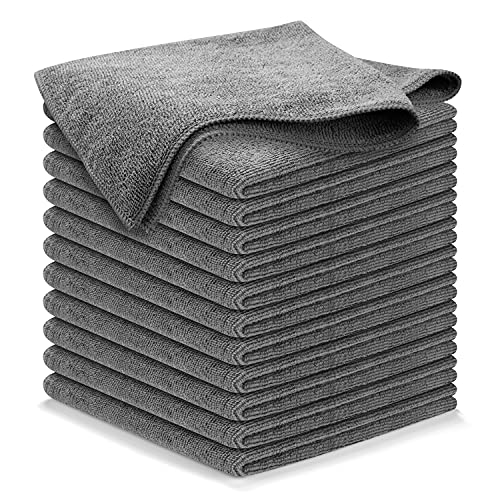
Precision needles are susceptible to oxidation, especially when they come into contact with water-based adhesives. After clearing a tip, wipe the needle clean with a microfiber cloth and ensure it is completely dry before storing it.
Storing tools in a dry environment is critical for maintaining their longevity. Avoid leaving them stuck into styrofoam or damp cork, as these materials can trap moisture against the steel and promote rust.
A light coating of machine oil or a silicone lubricant can protect the needles if they are stored for long periods. Just be sure to wipe away any excess oil before using them on a project to prevent staining the yarn or fabric.
Beyond Clogs: Other Uses For Your Precision Tools
These tools serve multiple purposes in a fiber arts studio beyond nozzle maintenance. A tapered awl is essential for punching precise holes in leather tags or for untangling tight knots in stranded colorwork.
Beading needles are invaluable for picking up dropped stitches in intricate lace patterns where a standard crochet hook is too bulky to reach the bar. The flexibility of these needles allows them to navigate the crowded fabric of a complex shawl with ease.
Finally, keep a tapestry needle nearby for precision placement of glue dots when embellishing finished knitwear with crystals or beads. By repurposing these precision instruments, the workbench remains efficient and uncluttered.
A well-maintained set of precision tools is the mark of a thoughtful crafter who values both quality and longevity. By selecting the right needle for the job and prioritizing proper storage, these small instruments will provide years of reliable service in your studio.
