7 Best Wire Loops For Removing Excess Material
Discover the 7 best wire loops for removing excess material efficiently. Read our expert guide to choose the right tools for your crafting projects today.
Seeing a cherished hand-knitted sweater develop unsightly pills is an inevitable part of the garment’s lifecycle. Friction against coat linings, bag straps, and even the natural movement of arms against a torso will eventually cause surface fibers to tangle. Choosing the right tool for removal is the difference between rejuvenating a heirloom piece and accidentally slicing through the structural integrity of the yarn. These seven tools offer distinct approaches to maintaining the longevity and aesthetic of finished projects.
Gleener Fuzz Remover: The Best All-in-One Tool


The Gleener stands out because it offers three distinct edges designed for varying fabric weights. It moves beyond the one-size-fits-all approach that ruins delicate lace-weight mohair or bulky wool sweaters.
By swapping out the heads, one can safely tackle everything from sturdy wool coats to fine merino knits. The edges are designed to catch pills without snagging the actual knit stitches, provided the operator maintains a light touch.
Consider this the primary tool for a diverse wardrobe where different fibers require different levels of aggression. It remains the most versatile choice for those who maintain a collection of sweaters with varying fiber compositions and gauges.
Comfy Clothiers Cedar Comb: Best Traditional Pick

This tool relies on a classic design featuring a fine, screen-like metal mesh held in a wooden frame. It is highly effective for heavy-gauge wool sweaters, especially those made from rustic, high-twist yarns that tend to pill during the initial break-in period.
Because it lacks moving parts, it offers excellent tactile feedback while working across the surface of the garment. One can feel the resistance of the fabric, which prevents pulling too hard and snapping delicate fibers.
Avoid using this on delicate fibers like alpaca or cashmere, as the metal mesh is quite abrasive. It is best reserved for hardy, long-staple wools that can withstand a firm brushing.
The Laundress Sweater Comb: Best for Fine Cashmere

Fine cashmere and delicate blends require a tool that prioritizes surface gentleness over sheer power. This comb uses a finely-toothed edge that delicately lifts pills away from the fabric surface rather than shearing them off.
It is particularly useful for luxury fibers where the halo—the soft, fuzzy surface texture—is a defining feature. By working slowly and carefully, one can remove small pills while preserving the softness and drape of high-end yarns.
Patience is the primary requirement when using this tool. It is not designed for heavy-duty restoration of neglected, matted garments, but rather for regular maintenance of prized pieces.
KnitPicks Fuzz Buster: A Must-Have for Knitters
Designed specifically with the knitter in mind, this compact tool fits easily into a notions bag or a project tote. Its scale is perfect for small areas of a garment, such as the cuffs or elbows, where pills tend to congregate due to repetitive friction.
It is an excellent companion for those who knit with superwash wool, which can occasionally exhibit surface fuzzing after several wash cycles. The handle ergonomics allow for precise control, minimizing the risk of catching a stray yarn ply.
This tool is a practical, affordable addition to any crafter’s collection. It excels at quick spot-checks before wearing a garment to a special event or blocking a piece for a photo.
Helmac D-Fuzz-It Comb: The Top Budget-Friendly Buy

The Helmac D-Fuzz-It is a simple, no-nonsense tool that has been a staple in sewing kits for decades. Its lightweight construction makes it an unobtrusive addition to any knitting kit, and its simplicity is its greatest strength.
While it lacks the specialized edges of more expensive models, it provides consistent results on standard-weight wool sweaters. It is an ideal choice for the beginner knitter who wants to maintain a first hand-knit cardigan without investing heavily in specialized equipment.
The secret to success with this comb is consistent, light pressure. Use it at a 45-degree angle to the fabric for the best results, ensuring the edge catches the pill and not the knit structure.
Uproot Cleaner Pro: Best for Rugs, Not Sweaters

The Uproot Cleaner Pro is a powerful, metal-bladed tool designed to scrape hair and debris from dense surfaces. While highly effective on carpets, upholstery, and some heavy-duty textiles, it is far too aggressive for most knitted garments.
Using this on a handmade sweater risks damaging the yarn structure, causing “ladders” or pulling stitches completely out of alignment. Its mechanical design does not allow for the subtle touch required by delicate, hand-knit fabric.
Keep this tool reserved for household chores and non-knitted textiles. If a sweater has pills that seem to require this level of force, it is likely the garment is already beyond the point where a de-pilling tool should be used.
Lilly Brush: Your Best Bet for Removing Pet Hair
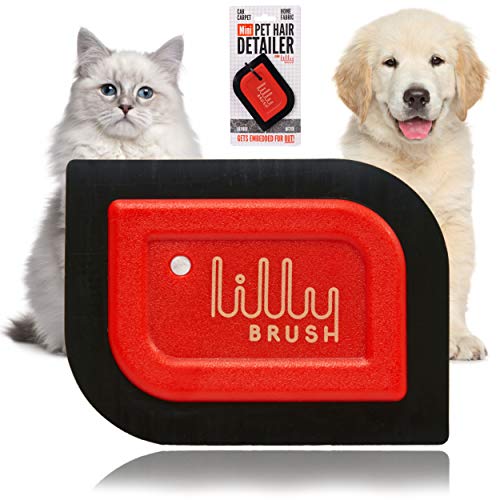
Pet hair is an unavoidable reality for many knitters, and standard lint rollers often fail to reach fibers embedded deep within the knit structure. The Lilly Brush uses specialized bristles to lift and clump hair, making it easy to remove from both smooth and textured knits.
Unlike adhesive rollers, which can leave a sticky residue that attracts more dust, this brush is purely mechanical. It effectively cleans the garment without compromising the fibers or affecting the yarn’s natural oil content.
It is a specialized tool for a specific problem, but for households with shedding pets, it is indispensable. It keeps hand-knit sweaters looking fresh and clean without damaging the delicate stitch patterns.
Choosing the Right De-Pilling Tool for Fibers
Selecting the right tool depends heavily on the fiber composition of the yarn. Natural fibers like wool and alpaca respond well to traditional combs, while synthetic blends and superwash wools might handle more aggressive, blade-based tools.
Consider these factors before starting: * Fiber Diameter: Fine-gauge lace needs a soft-touch tool, while thick, hand-spun wool can handle a sturdier metal comb. * Yarn Construction: High-twist yarns resist pilling, but loose, soft-spun yarns often require more frequent, gentle grooming. * Fabric Weight: Heavy cardigans offer more structural stability during grooming than thin, stockinette-stitch tees.
Always test any de-pilling tool on the inside hem or a small swatch before working on the main body of a garment. Understanding how the tool interacts with the specific yarn twist and fiber type is key to long-term care.
How to Safely Remove Pills From Knitted Garments
Always work on a flat, hard surface to ensure the fabric remains taut and even. Avoid letting the fabric bunch up, as this increases the likelihood of catching a stitch or a yarn ply in the teeth of the comb.
Work in small, unidirectional strokes, moving from the top of the garment toward the hem. Never pull or tug at the fabric while using a tool; let the edge of the tool do the work of shearing or lifting the pill away.
Once the surface is clear, gently shake the garment to remove any loose fiber debris. If working with wool, a light steam-blocking session afterwards can help reset the fibers and restore the garment’s original drape.
Pro Tips for Preventing Pilling on Your Sweaters
Preventing pills is far more effective than removing them. Turn sweaters inside out before washing to reduce the friction that causes surface tangles, and always use a gentle, wool-specific detergent.
Limit the use of fabric softeners, as they can coat the fibers and actually encourage the build-up of pilling over time. If a garment is prone to pilling, consider washing it in a mesh laundry bag to prevent it from rubbing against other clothes in the machine.
Finally, manage the friction in your daily environment. Be mindful of the contact points where coat zippers, rough bag hardware, or seatbelts rub against your hand-knits. Minor adjustments in how a garment is worn can drastically extend the time between necessary de-pilling sessions.
Maintaining a wardrobe of hand-knits requires a balance of proper storage, careful washing, and the occasional use of specialized tools. By choosing the right instrument for the job and applying gentle, informed technique, you ensure that your projects remain as beautiful as the day they were cast off.