7 Best Blocking Pins For Secure Finishing That Work
Discover the 7 best blocking pins for flawless knitting. Learn which durable, rust-proof options ensure secure, professional finishes for all your projects.
Blocking is the final, transformative step that turns a collection of stitches into a professional-looking garment. Choosing the right pins can mean the difference between a crisp, symmetrical edge and a distorted, uneven mess. Not every project requires the same level of tension, which is why your toolkit should be as versatile as your yarn stash. Here is a guide to the best blocking pins to ensure your hard work gets the finish it deserves.
KnitIQ Stainless Steel T-Pins: Best Overall Choice


When you spend weeks on a complex cabled sweater, you need a pin that won’t rust and leave unsightly orange marks on your wool. KnitIQ T-Pins are the industry standard for a reason: they are incredibly sturdy and hold their shape even under the tension of heavy, wet-blocked blankets.
These pins are made from high-quality stainless steel, which is non-negotiable if you are working with light-colored or white luxury fibers like cashmere or alpaca. Their T-shaped head provides a comfortable grip, making it easy to push them into dense foam mats without straining your fingers.
The bottom line is that these are the "workhorse" pins of the fiber arts world. You can count on them to stay put, and they won’t bend when you are trying to stretch a stubborn wool blend to its full potential.
Clover Blocking Pins: Best for Delicate Fabrics

Sometimes, the force of a standard T-pin is overkill, especially when you are working with fine silk or delicate lace-weight mohair. Clover pins are thinner and more refined, designed to slide between delicate fibers without splitting or damaging the yarn structure.
Because these pins are finer, they create smaller holes in your blocking mats, which extends the life of your equipment. They are also gentle on the yarn itself, ensuring that you don’t leave permanent "divots" or stretched-out stitch patterns once the project is dry.
If you are a lace knitter who frequently works with fragile, high-twist yarns, these are an essential addition to your kit. They offer just enough security to hold the shape without being aggressive toward the delicate fiber.
Knitter’s Pride Knit Blockers: Best for Speed

If you have ever spent an hour pinning out a large shawl, you know the fatigue that sets in after placing the fiftieth individual pin. Knit Blockers are a game-changer because they feature a row of pins attached to a plastic base, allowing you to secure several inches of fabric with a single motion.
These are particularly effective for straight edges and long, rectangular scarves where maintaining a perfectly taut line is the goal. By using fewer "insertion points," you save time and reduce the amount of manipulation your fabric undergoes.
However, they aren’t a total replacement for individual pins, as they lack the flexibility to handle tight curves or complex points. Use them for the straightaways and keep your individual pins handy for the intricate details.
Cocoknits Stainless Steel Pins: Best for Precision
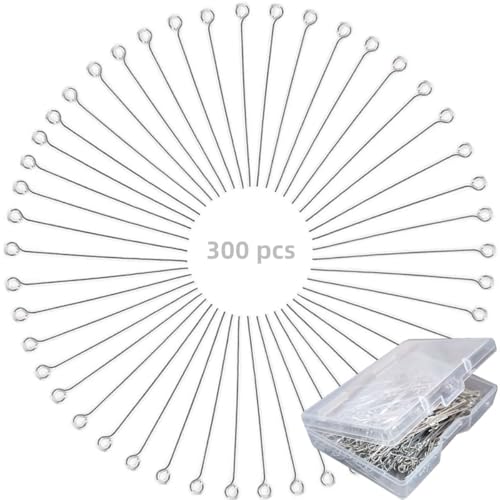
Precision is the hallmark of a master knitter, and Cocoknits understands that blocking is a game of millimeters. These pins are designed with a smooth, polished finish that glides through the thickest of wools, ensuring you can adjust your tension with surgical accuracy.
The key benefit here is the balance between strength and slimness. They are robust enough to hold a heavy weight, yet thin enough to allow for precise placement when you are shaping a neckline or a delicate sleeve cuff.
They are an investment, but for those who take blocking seriously, the quality of the finish is palpable. If you value equipment that feels as good as it performs, these are the pins you will reach for every time.
Boye Nickel Plated T-Pins: Best Budget Option

We have all been there: you are in the middle of a project and realize you have run out of pins, but you don’t want to spend a fortune to finish the job. Boye Nickel Plated T-Pins are widely available and provide perfectly adequate performance for everyday projects.
They are reliable and easy to find in almost any craft store. While they may not have the premium finish of stainless steel, they are more than capable of handling standard acrylic or wool-blend yarns that aren’t prone to delicate staining.
Just be mindful that these are plated; if you leave them in a soaking wet project for several days, there is a slight risk of oxidation. Keep an eye on your drying time, and they will serve you well for years.
Susan Bates Blocking Pins: Best for Large Projects

When you are blocking a queen-sized afghan or a massive circular shawl, you need volume. Susan Bates offers reliable sets that provide a high count of pins, ensuring you never have to "cannibalize" one section of your project to finish another.
These pins are straightforward, no-nonsense tools that prioritize functionality over flair. They are consistent in size and shape, which is vital when you are trying to maintain a uniform tension across a large surface area.
The takeaway here is quantity and reliability. When the scope of your project is large, having a massive supply of identical, dependable pins is the secret to a consistent, even block.
Dritz Extra Fine T-Pins: Best for Lace Weight
Lace knitting requires a level of tension that can often cause thicker pins to distort the stitch pattern. Dritz Extra Fine T-Pins are specifically engineered to be thinner than standard pins, making them ideal for the intricate, open-work stitches of a lace shawl.
Because they are so fine, they are less likely to pull at the yarn, which is critical when working with high-twist wool or silk. You will find that these pins allow for more "drape" and movement in the finished piece, rather than locking it into a stiff, static shape.
They are delicate, so handle them with care to avoid bending the shafts. If you treat them right, they will provide the subtle, elegant finish that lace projects demand.
How to Choose the Right Pins for Your Fiber Type
- Wool and Wool Blends: Use sturdy stainless steel pins that can handle the "memory" of the fiber as it dries.
- Silk and Mohair: Opt for extra-fine, polished pins to prevent snagging or splitting the delicate plies.
- Cotton and Linen: These fibers have little elasticity and can be stubborn; use strong pins and don’t be afraid to use more of them to maintain the shape.
- Superwash Wool: This fiber is prone to growing when wet; use plenty of pins to secure the dimensions before the yarn relaxes too much.
Essential Tips for Perfect Blocking Techniques
Always ensure your blocking mat is on a flat, stable surface where it won’t be disturbed by pets or drafts. When pinning, start by securing the center points of your garment, then work your way outward to the edges to ensure even tension.
Never pull the fabric to its absolute breaking point; you want to "encourage" the yarn into shape, not force it into submission. If you feel the fabric resisting, let it rest for a few minutes before adjusting the pins slightly.
Remember that blocking is not just about stretching; it is about "setting" the stitches. By pinning your work, you are teaching the yarn to sit in its finished, relaxed state.
Troubleshooting Common Blocking Pin Mistakes
The most common mistake is using too few pins, which leads to "scalloping" or uneven edges. If you see your fabric bowing between pins, simply add more pins to distribute the tension more evenly.
Another issue is "rust spots," which occur when inferior pins are left in a damp project for too long. Always use stainless steel if you are worried about staining, and never leave your project pinned for longer than it takes to dry.
Finally, avoid the temptation to over-stretch your work. If you pull the fabric until the stitches look distorted or thin, you have gone too far; a good block should enhance your stitch definition, not make it look transparent.
Mastering the art of blocking is the final bridge between being a knitter and being a crafter of fine textiles. By selecting the right pins for the specific weight and fiber of your yarn, you ensure that your projects look as professional as they feel. Take your time, trust your instincts, and always prioritize the integrity of the stitch. With the right tools in hand, your finished pieces will reflect the true quality of your skill.