6 Best Velvet Pressing Pads For Curved Surfaces
Master curved seams with our top 6 velvet pressing pads. These essential tools prevent crushing, ensuring professional results for all your tailored projects.
Achieving a professional finish on your hand-knitted garments requires more than just perfectly even stitches; it demands precise blocking and steam-shaping. When you move beyond flat swatches to complex silhouettes like bust darts or cap sleeves, standard ironing boards simply won’t suffice. Using a high-quality velvet pressing pad allows you to mold your fabric into shape without flattening the delicate loft of your yarn. This guide explores the best tools to help you elevate your finished projects from "homemade" to heirloom quality.


Dritz Tailor’s Ham: The Classic Essential Choice

The Dritz Tailor’s Ham is the industry standard for a reason: it is sturdy, reliable, and widely available. Its dual-sided construction offers a cotton side for crisp pressing and a wool side for softer, more forgiving curves.
For a knitter, this ham is the perfect "workhorse" for blocking shoulder seams or shaping the crown of a hat. The weight of the ham provides enough resistance to hold your knitting in place while you apply steam, preventing the fabric from stretching out of proportion.
However, keep in mind that the filling is quite dense. If you are working with extremely delicate lace or fine mohair, you may need to place a thin pressing cloth between the ham and your project to avoid picking up any texture from the fabric cover.
Reliable Professional Pressing Ham for Curves

If you find yourself frequently blocking garments with complex shaping, a "professional" grade ham is a worthwhile investment. These models are typically stuffed more tightly than budget versions, ensuring they don’t lose their shape under the weight of heavy wool sweaters.
When you are steaming a set-in sleeve, you need a surface that doesn’t collapse under pressure. A firm, professional ham acts as a solid mold for your knitted fabric, allowing you to "set" the curve of the sleeve head exactly where it needs to sit.
The trade-off here is portability; these hams are often heavier and bulkier than standard options. If your knitting space is limited, ensure you have a dedicated spot to store this tool where it won’t get squashed or lose its symmetry.
Rowenta Professional Pressing Ham and Roll Set
The Rowenta set is a fantastic two-in-one solution for the knitter who tackles a variety of project types. By including both a ham and a long, cylindrical "pressing roll," you gain much more versatility for different garment sections.
Use the ham for the rounded areas of your knitting, like bust shaping or necklines. Use the long roll for sleeves and pant legs, which are notoriously difficult to block without creating unwanted "creases" along the edges.
The primary advantage of this set is the ability to slide the roll inside a sleeve, allowing you to steam the seam without flattening the surrounding stitches. It is a game-changer for anyone who struggles with the dreaded "flat line" that appears when you press a sleeve on a flat board.
June Tailor Dressmaker’s Ham for Precision
Precision is the hallmark of the June Tailor line, and their hams are designed to provide a very stable, high-friction surface. This is particularly helpful when working with slippery fibers like silk-blend yarns or superwash wools that tend to "slide" away from the iron.
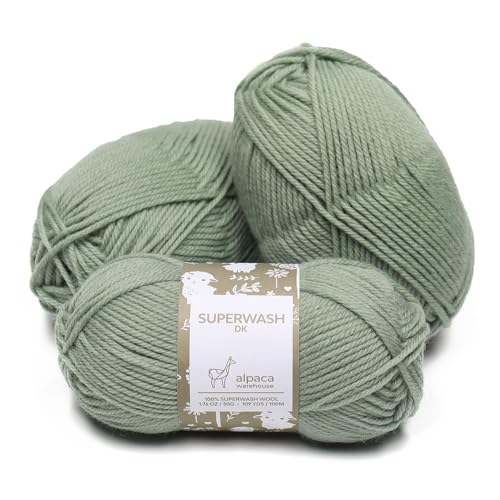
The texture of the cover is specifically chosen to grip the fabric, preventing the knitting from shifting while you are trying to maneuver the steam. This stability is vital when you are trying to match up two edges for a mattress stitch seam later on.
Be aware that because these hams are designed for precision, they are often smaller than the "classic" hams. They are best suited for detailed work rather than blocking an entire sweater back or front at once.
Singer Heavy Duty Tailor’s Ham for Projects
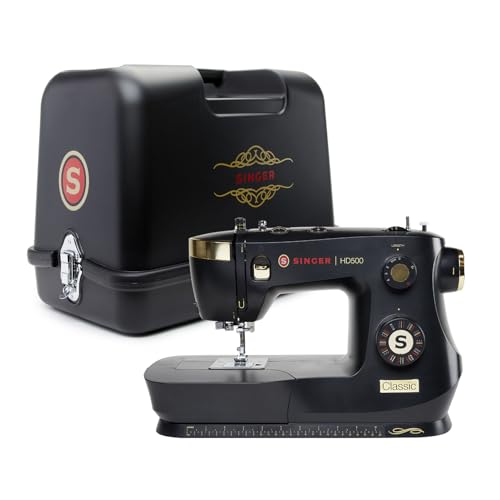
Singer’s heavy-duty option is built for those who use a lot of steam and pressure. If you are working with heavy, worsted-weight wools that require significant moisture to block effectively, this ham will hold up to the heat without scorching or warping.
The fabric cover is generally more heat-resistant than cheaper alternatives, which is a major plus when you are using a high-temperature steam setting. This durability ensures that the tool will last through years of heavy garment construction.
The only downside is that the fabric can feel a bit rougher to the touch. Always double-check that your yarn isn’t catching on the weave of the ham’s cover before you begin pressing your project.
Prym Ergonomics Tailor’s Ham for Garments
Prym has taken a modern approach to the classic ham, focusing on ergonomic shapes that conform better to the human body. This is incredibly useful when you are blocking a garment that you intend to wear immediately, as it mimics the natural contours of the wearer.
The design often includes a slightly more tapered end, which allows you to get into very tight corners of your knitting, such as the underarm gussets or narrow neckbands. It’s a specialized tool for the knitter who prioritizes fit above all else.
Because it is so specialized, it might not be the best "only" tool for your kit. It excels at finishing work, but you may still want a larger, rounder ham for blocking larger panels or shawls.
Why Velvet Texture Matters for Pressing Knits
Velvet-covered pressing pads are the gold standard for knitters because the pile of the fabric acts as a cushion for your stitches. When you lay your knitting face-down on a hard surface, the iron crushes the yarn, flattening the stitch definition and potentially damaging the fiber’s loft.
The velvet pile allows the stitches to "nestle" into the fabric rather than being smashed against it. This preserves the three-dimensional quality of your cables, lace, and ribbing, ensuring that your finished garment looks as soft and airy as it did on the needles.
- Preserves Stitch Definition: Keeps cables crisp and lace open.
- Prevents "Shiny" Patches: Soft pile avoids the iron-shine that can occur on dark or smooth yarns.
- Thermal Regulation: The velvet acts as a buffer, preventing the iron from directly scorching the fibers.
How to Properly Press Curved Seams in Knitting
The secret to a professional-looking seam is to never "iron" your knitting; you must "press" it. Place your curved seam over the ham so that the seam allowance is supported by the curve, and then use a hovering steam motion.
You want the steam to penetrate the fibers to relax them, not the weight of the iron to force them into shape. By using the ham as a form, you are training the yarn to hold that permanent curve, which is essential for a comfortable, well-fitting garment.
If you are working with a delicate fiber like alpaca or cashmere, keep the iron at least an inch away from the fabric. Let the steam do the work, and use your fingers to gently pat the seam into place once the steam has settled.
Essential Tips for Preventing Fabric Crushing
The biggest mistake knitters make is using too much pressure. Your goal is to shape the fabric, not to flatten it into a pancake, so let the tools do the heavy lifting while you provide the guidance.
Always use a pressing cloth if you are unsure about how your yarn will react to the heat. A simple piece of cotton muslin or a specialized pressing cloth will provide an extra layer of protection, especially for synthetic or heat-sensitive fibers.
- Test a Swatch: Always steam-press your swatch first to see how much the yarn grows or changes.
- Avoid Over-Steaming: Too much moisture can cause fibers like wool to lose their "bounce" and become limp.
- Let it Cool: Never move your knitting immediately after pressing; let it sit on the ham until it is completely dry and cool to lock in the shape.
Caring for Your Pressing Pads and Equipment
Your pressing ham is an investment, and proper care will ensure it serves you for decades. Keep the surface clean by using a lint roller occasionally to remove any stray fibers or "fuzz" that might have transferred from your yarn.
Avoid getting the filling wet, as this can lead to mildew or mold inside the ham. If you accidentally spill water on it, let it air dry in a well-ventilated area, preferably in the sun, to ensure the internal stuffing stays fresh.
Finally, keep your hams stored in a dust-free environment when not in use. If they get dusty, they will transfer that dust to your next project, which is the last thing you want to deal with after spending hours on a complex lace shawl.
Investing in a quality velvet pressing ham is one of the most significant upgrades you can make to your knitting toolkit. By choosing a tool that respects the structure of your yarn, you ensure that your hard work translates into a garment that fits beautifully and lasts for years. Remember that every project is unique, so take the time to test your tools on a swatch before committing to the final press. Happy knitting, and may your seams always lay as perfectly as you imagined.