6 Best Knitting Bags For Keeping Wool Clean Reviewed
Keep your yarn pristine with our top picks for knitting bags. We review six durable, organized options designed to protect wool from dust, tangles, and pets.
Every knitter knows the heartbreak of pulling a pristine skein of hand-dyed merino from a bag only to find it covered in lint, pet hair, or dust. Keeping your fiber clean is not just about aesthetics; it is about protecting the integrity of the yarn and ensuring your finished garment remains pristine. A dedicated knitting bag is the most effective tool in your arsenal for preventing unwanted debris from clinging to your project. Here are the top six bags designed to keep your wool safe, clean, and ready for your next row.
Della Q Maker’s Canvas Tote: Best Overall Pick


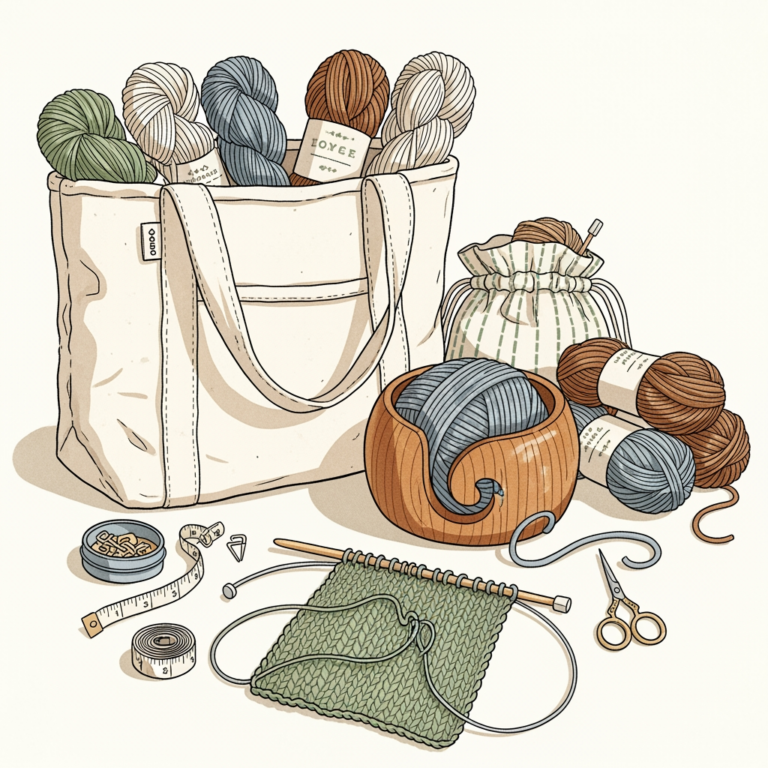
The Della Q Maker’s Canvas Tote feels like it was designed by someone who actually knits in the wild. Its structured, waxed canvas exterior is incredibly durable and naturally repels the dust that tends to accumulate in living rooms and craft corners.
What makes this the best overall pick is the thoughtful interior layout. It features a dedicated yarn feeder and a pocket system that keeps your needles and notions from tangling with your working yarn. When your yarn doesn’t touch the bottom of the bag, it stays significantly cleaner.
The tradeoff here is the size; it is a substantial bag that might feel like overkill for a simple sock project. However, for those working on sweaters or blankets, the space is a major asset. It is a workhorse that balances accessibility with high-level protection.
Namaste Maker’s Train Case: Best for Organization
If you are the type of knitter who keeps a dozen different circular needles and a collection of stitch markers on hand, the Namaste Maker’s Train Case is your sanctuary. Its rigid structure ensures that your yarn is never crushed or exposed to the elements.
This case is essentially a mobile studio. The internal dividers allow you to isolate your yarn from your metal tools, which is crucial for preventing the transfer of oil or grit from scissors and needle gauges onto your fiber.

Because it opens flat, you have a clean "landing zone" for your project while you work. If you are prone to losing your place in a pattern, the dedicated slots for charts and tablets keep your paper patterns away from the yarn, preventing accidental snags or ink transfers.
Cocoknits Maker’s Bag: Best Sustainable Option
The Cocoknits Maker’s Bag is crafted from paper-based fabric, which is surprisingly sturdy and completely washable. It is a fantastic choice for those who want a minimalist aesthetic without sacrificing the functional need to keep fiber dust-free.
The material is unique because it doesn’t attract lint the way some synthetic or fuzzy fabrics do. If you have pets, you know that hair is the enemy of wool; this bag’s smooth surface is much easier to wipe down than traditional cotton or canvas.
The bag is designed to be collapsible, which is great for storage, but it means it lacks the rigid protection of a hard-sided case. It is best for knitters who want a lightweight, eco-friendly solution that keeps their yarn contained while they move from the couch to the porch.
Yarn Tree Project Bag: Best for Travel Knitting

When you are knitting on a train or in a waiting room, you need a bag that seals tightly. The Yarn Tree Project Bag excels here by providing a secure closure that prevents dust and debris from drifting into your project while it’s stowed away.
This bag is lightweight and unassuming, making it perfect for tucking into a larger handbag or backpack. It is essentially a high-quality protective sleeve for your yarn, ensuring that your delicate lace or mohair blend stays pristine even in high-traffic environments.
The downside is that it lacks the internal pockets of larger totes. You will likely need a separate notions pouch to keep your stitch markers from getting lost in the bottom. For pure, focused protection during travel, however, it is unmatched.
KnitIQ Blocking and Project Bag: Best Protection

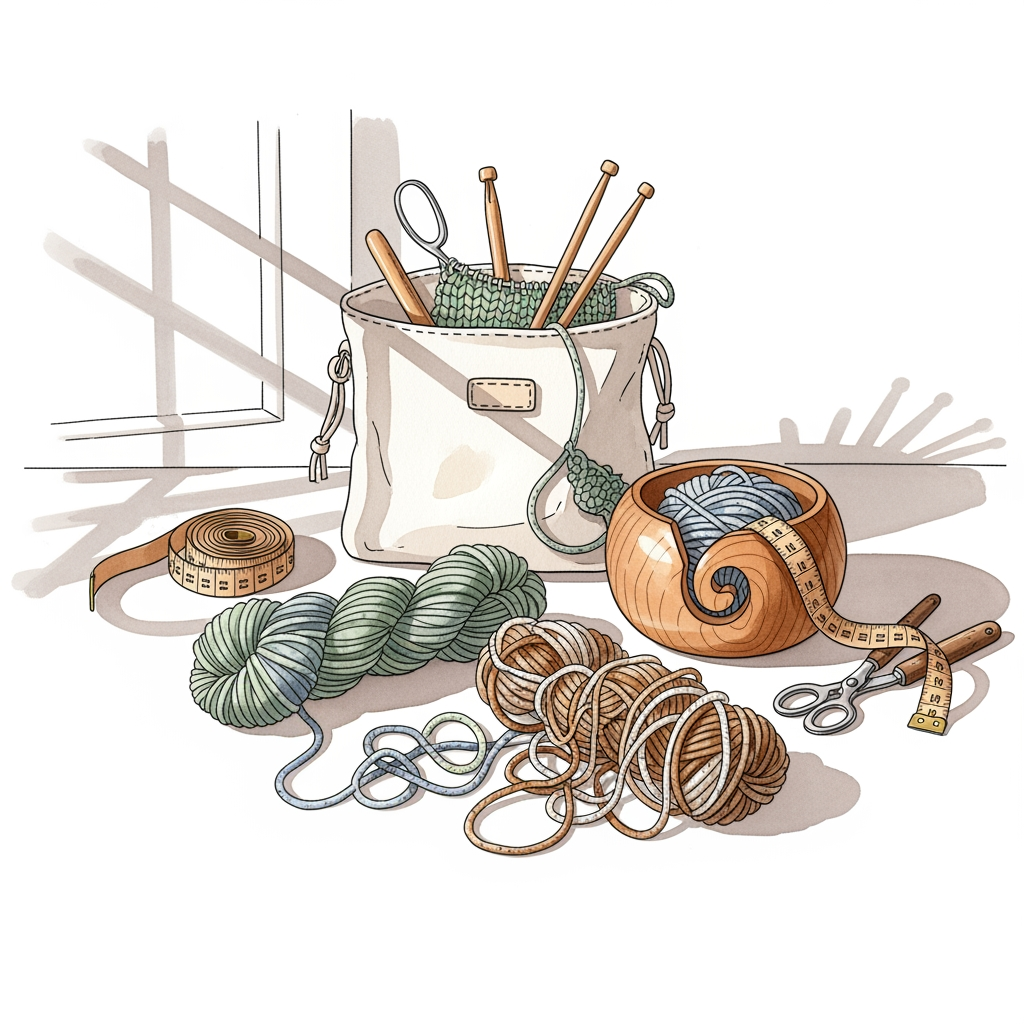
The KnitIQ bag is a dual-purpose marvel that understands the lifecycle of a knitting project. It is designed to act as a clean, safe environment for your yarn while you are working, but it also provides a structured space for when you are ready to block your finished piece.
Blocking—the process of wetting and shaping your finished garment—requires a clean surface. This bag ensures that your project stays away from house dust until the very moment you are ready to pin it out. It is the ultimate insurance policy for expensive, high-end fibers.
While it is bulkier than a standard project bag, the peace of mind it offers is worth the space. If you are working with luxury fibers like cashmere or silk, you don’t want to risk them sitting in a dusty open basket.
Muud Saturn XL Leather Bag: Best Luxury Choice
The Muud Saturn XL is an investment piece, crafted from premium leather that only gets better with age. Leather is naturally resistant to dust and can be easily wiped clean, making it a surprisingly practical choice for long-term yarn storage.
The structure of this bag is upright and stable, which is perfect for preventing your yarn from rolling around and picking up floor debris. It is designed to sit by your side, keeping your yarn elevated and shielded from the environment.
Because it is leather, it is heavier and requires more care than a canvas bag. You must be careful not to let it sit in direct sunlight for extended periods, which could dry out the hide. For the knitter who wants a beautiful, heirloom-quality bag, this is the gold standard.
Key Factors for Keeping Your Wool Dust-Free
The primary enemy of yarn is static electricity, which acts like a magnet for household dust and pet dander. When choosing a bag, look for materials that have a low static charge, such as canvas, leather, or tightly woven cotton.
Avoid bags with open-weave mesh or loose-knit linings. These textures are notorious for catching on delicate fibers and allowing dust to pass through directly onto your yarn. A smooth, sealed interior is always superior for maintaining fiber cleanliness.
Finally, consider the environment where you knit. If you knit in a room with a ceiling fan or near an open window, your yarn is constantly being bombarded with airborne particles. A bag with a lid or a drawstring closure is non-negotiable in these conditions.
How to Properly Store Yarn to Prevent Damage
Storage is just as important as the bag you carry your project in. Always store your yarn in a cool, dry, and dark place to prevent UV damage and moth infestation. Never store yarn in plastic bags for long periods, as they can trap moisture and lead to mildew.
Use cedar blocks or lavender sachets in your storage area to deter pests without the use of harsh chemicals. Periodically rotating your stash ensures that no single skein is sitting at the bottom of a pile, crushed under the weight of others, which can permanently alter the loft and twist of the yarn.
If you are storing yarn for a long time, consider using breathable cotton bags. These protect against dust while allowing the fibers to breathe, keeping them in the best possible condition for when you are finally ready to cast on.
Essential Features for Knitting Project Bags
- Vertical orientation: Keeps the yarn feeding smoothly and prevents it from rolling on the floor.
- Secure closures: Drawstrings, zippers, or flaps that keep dust out when the bag is not in use.
- Internal pockets: Keeps notions like scissors and stitch markers separated from the wool.
- Smooth linings: Prevents snagging on delicate yarns like mohair, alpaca, or single-ply wool.
- Structured base: Ensures the bag stands upright on its own, keeping the project off the ground.
Cleaning Your Knitting Bags: Best Practices
Even the best bags need a refresh. For canvas or cotton bags, turn them inside out and shake them thoroughly to remove stray bits of yarn, lint, and dust. Most can be spot-cleaned with a damp cloth and mild soap; allow them to air dry completely to prevent mold.
For leather bags, use a soft, dry cloth to wipe away surface dust. If the leather becomes dry, use a high-quality leather conditioner, but be careful to let it absorb fully before putting your yarn back inside to avoid staining.

Never machine wash a bag that contains metal components or leather trim unless specifically instructed by the manufacturer. A clean bag is your best defense against dirty yarn, so make bag maintenance a part of your regular knitting routine.
Investing in a quality knitting bag is about more than just organization; it is a commitment to the longevity of your craft. By choosing a bag that suits your specific knitting style and storage needs, you ensure your yarn stays as beautiful as the day you bought it. Take the time to evaluate your habits, and you will find that a well-chosen bag makes every stitch a more enjoyable experience. Happy knitting, and may your yarn always remain tangle-free and pristine.