7 Best Spinning Bags For Wheel Protection To Use
Protect your wheels with our top 7 spinning bag picks. This guide covers durability, fit, and mobility to ensure your gear stays safe during every transit.
Transporting a spinning wheel is a nerve-wracking experience for any fiber artist, as these precision instruments are often as delicate as they are beautiful. Whether you are heading to a local guild meeting or embarking on a fiber retreat, protecting your wheel from bumps and environmental shifts is non-negotiable. A dedicated spinning bag is not just a luxury; it is the primary defense against misaligned flyers and broken bobbins. Investing in the right carrier ensures your wheel arrives in the same condition it left your studio.
Namaste Spinner’s Tote: Best Overall Protection


The Namaste Spinner’s Tote stands out because it balances structural integrity with a design that doesn’t feel like you’re lugging a piece of industrial equipment. It offers a sophisticated look that hides the rugged padding required to keep your wheel safe during transit.
What sets this tote apart is the intuitive interior layout. It includes dedicated pockets for your bobbins, lazy kates, and even a small project bag for your current spinning fiber. For those who enjoy spinning while traveling, having everything in one place prevents the frantic "did I pack my orifice hook?" panic.
The trade-off here is the weight; it is a substantial bag. However, the protection offered to the wheel’s delicate flyer assembly is worth the extra heft. If you value peace of mind over a lightweight carry, this is the gold standard for daily transport.
Ashford Spinning Wheel Bag: Best for Brand Compatibility

If you spin on an Ashford, you know that their wheels have specific footprints and flyer configurations. The Ashford Spinning Wheel Bag is engineered specifically to accommodate these dimensions, eliminating the "wiggle room" that often leads to damage.
The bag features a heavy-duty zipper and reinforced base, which is crucial for wheels with a wider treadle setup. It is designed to be a snug fit, which minimizes vibration during transport. When your wheel is held firmly in place, you significantly reduce the risk of the drive band slipping or the flyer snapping.
Keep in mind that this bag is tailored for specific Ashford models. While it is excellent for a Kiwi or a Traditional, it may not be the most versatile choice if you own wheels from multiple manufacturers. It is a specialized tool for a specialized piece of equipment.
Schacht Carry-All Bag: Durable Custom Fit
Schacht wheels are precision-engineered, and their carry-all bag reflects that same attention to detail. It is built to withstand the rigors of frequent travel, using high-denier fabrics that resist tears and abrasions.

The padding in this bag is strategically placed around the wheel’s most vulnerable points, such as the flyer and the maiden bar. It effectively distributes the weight of the bag, making it feel lighter on your shoulder than it actually is. This is a game-changer if you have to walk any distance from a parking lot to a spinning retreat.
The main takeaway is the durability of the seams and hardware. While cheaper bags might suffer from zipper failure after a year of use, the Schacht bag is built for the long haul. It is an investment in the longevity of your wheel’s finish and alignment.
Kromski Padded Wheel Case: Compact Mobility
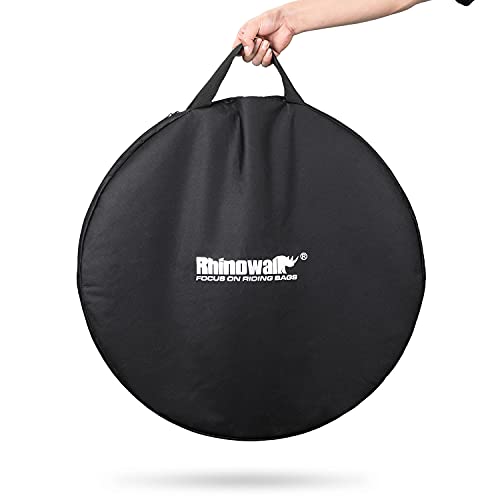
Kromski wheels are often chosen for their aesthetic appeal and portability, and their padded case matches this ethos perfectly. It is streamlined and avoids the bulky, boxy shape of many other spinning bags.
This case is ideal for the spinner who frequently takes their wheel to public spaces or coffee shops. It features a slim profile that makes it easy to maneuver through doorways or crowded aisles. The padding is sufficient to protect against light bumps and scratches, though it isn’t designed for heavy-duty airline travel.
The trade-off is that it offers less interior storage for accessories compared to larger totes. You may need to carry a separate bag for your fiber and bobbins. If your priority is a compact, stylish way to move your wheel, this is your best bet.
Hansen MiniSpinner Travel Case: Best for E-Spinners
Electronic spinners are a different beast entirely, requiring protection for sensitive electronics as much as for the mechanical flyer assembly. The Hansen MiniSpinner case is specifically designed to cradle these compact, high-tech tools.
Because e-spinners are small and portable, they are often prone to being tossed around like a regular handbag. This case provides the necessary shock absorption to protect the motor and internal circuitry from sudden impacts. It features custom foam inserts that keep the unit stationary.
Do not be tempted to use a generic camera bag for your e-spinner. While they look similar, the Hansen case is sized specifically to prevent the flyer from being stressed during transit. It is the safest way to ensure your electronics remain calibrated.
Majacraft Wheel Bag: Heavy Duty Canvas Design
Majacraft wheels are known for their robust, modular design, and their dedicated bags are built to match that strength. The heavy-duty canvas construction is incredibly resistant to the wear and tear of frequent fiber festivals.

The bag is spacious, allowing you to pack your wheel without having to disassemble it completely. This is a massive time-saver when you are setting up at a show or a workshop. The canvas is also water-resistant, protecting your precious wood from the elements.
Be aware that because it is a large, sturdy bag, it takes up significant closet space when not in use. However, the trade-off is a bag that will likely outlast the wheel itself. It is the "workhorse" option for the serious, traveling spinner.
Woolery Universal Bag: Best Budget Choice
If you have already spent your budget on a high-end wheel, the Woolery Universal Bag offers a practical, no-frills solution. It is designed to fit a wide range of wheel brands, making it the most versatile option on this list.
The bag uses a modular padding system that you can adjust to fit the specific contours of your wheel. While it lacks the custom-molded feel of a brand-specific bag, it provides excellent baseline protection at a fraction of the cost. It is a fantastic entry-level choice for beginners.
The downside is that it takes a little more "fiddling" to get the fit just right. You will need to take an extra minute to ensure the padding is positioned correctly before you zip it up. For the price, however, it is an unbeatable value for protecting your investment.
How to Measure Your Wheel for the Perfect Fit
Before purchasing any bag, you must measure your wheel at its widest and tallest points. Don’t forget to include the flyer assembly, which is often the part that protrudes the most.
- Height: Measure from the floor to the highest point of the flyer or wheel head.
- Width: Measure the widest part of the wheel’s frame or treadle.
- Depth: Measure the thickness of the wheel, including any protruding bobbins.
Always add an extra two inches to your measurements to account for the thickness of the bag’s padding. A bag that is too tight is just as dangerous as no bag at all, as it can put undue pressure on the flyer’s bearings.
Essential Features for Safe Spinning Wheel Travel
When evaluating any bag, look for high-quality, self-healing zippers that won’t snag on the bag’s lining. A snagged zipper is a recipe for a frustrated spinner and a potential drop.
- Reinforced Bottom: The base should be rigid to prevent the wheel from sagging or touching the ground.
- Padded Shoulder Straps: Distributing weight evenly is vital for long-distance carrying.
- Interior Tie-downs: Straps that secure the wheel inside the bag prevent shifting during transit.
Avoid bags that rely solely on thin, unpadded fabric. Your wheel’s finish can be easily marred by vibrations against a hard surface, so ensure the interior lining is soft and non-abrasive.
Tips for Storing and Protecting Your Spinning Gear
When storing your wheel at home, avoid areas with extreme temperature fluctuations, such as near radiators or in damp basements. Wood is a living material that expands and contracts; consistent humidity is the best way to prevent warping.
If you aren’t using your wheel for an extended period, remove the drive band to take the tension off the flyer and the wheel’s bearings. This simple step prevents unnecessary strain on the components over time.
Finally, keep your spinning accessories—like bobbins and orifice hooks—in a separate, labeled pouch within your bag. It is much easier to replace a lost hook than to realize your flyer is missing an essential part when you are already at a workshop.
Finding the right bag for your spinning wheel is an essential step in your journey as a fiber artist. By prioritizing protection and fit, you ensure that your wheel remains a reliable partner for your creative process for years to come. Choose the option that best balances your travel frequency with your specific wheel’s requirements. With your gear safely stowed, you can focus entirely on the rhythm of your spinning and the beauty of your yarn.