7 Best Sweater Combs For Knitwear Care To Own
Keep your knitwear looking pristine with our guide to the 7 best sweater combs. Learn how these essential tools remove pilling and restore fabric texture.
Spending weeks on a hand-knit sweater only to see it sprout fuzzy pills after a few wears is the ultimate heartbreak for any maker. Pilling is a natural byproduct of fiber friction, but it doesn’t mean your garment’s life is over. With the right tools, you can restore your knits to their original, stitch-defined glory. Here are the best sweater combs and shavers to keep your hand-knits looking fresh for years to come.
Gleener Ultimate Fuzz Remover: Best Overall Pick
The Gleener is a standout because it offers a three-in-one approach that respects the varying needs of different fiber types. It replaces the "one size fits all" mentality with three interchangeable edges, each designed for a specific fabric weight.
For a heavy, rustic wool sweater, the thickest edge works wonders on deep pills. If you are working with a delicate, fine-gauge cashmere or a merino blend, switching to the gentler edge prevents the tool from snagging on the yarn’s ply.
The biggest advantage here is the lack of electricity; you have complete tactile control over the pressure applied. This is crucial when working on cables or textured stitches where an electric shaver might accidentally catch a raised stitch and cause a run.
The Laundress Sweater Stone: Best Natural Option
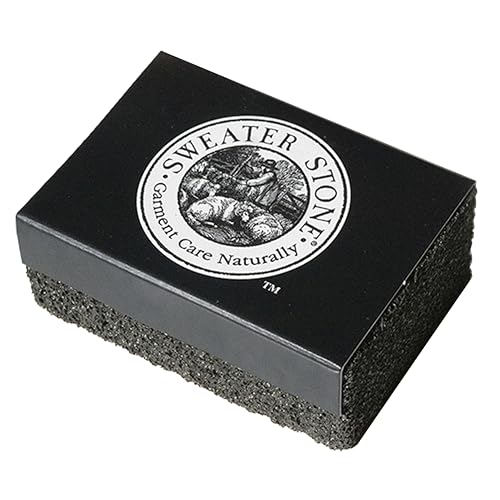

If you prefer a manual, low-tech approach, the sweater stone is a classic. It’s essentially a block of volcanic pumice that gently abrades the surface of the fabric to lift away loose fibers.
This tool is fantastic for heavy-duty natural fibers like dense, felted wools or sturdy, worsted-weight sweaters. Because it is a natural material, it mimics the way friction naturally occurs, often blending the remaining fibers back into the knit rather than just shearing them off.
However, use caution with delicate, fuzzy yarns like mohair or angora. The abrasive surface can be too aggressive for loose, halo-heavy fibers, potentially thinning out your fabric if you aren’t careful.
Conair Fabric Shaver: Best Electric Power Tool
When you have a closet full of sweaters that all need a quick refresh, an electric shaver is a massive time-saver. The Conair model is a reliable workhorse that pulls pills through a metal screen, safely cutting them away without touching the base of the fabric.
This tool is ideal for smooth, plied yarns that tend to pill uniformly across the surface. It is particularly effective for mass-produced or machine-knit items where the tension is very consistent.
The tradeoff is the risk of "nicking" a loose end or a bit of yarn that has worked its way out of the twist. Always hold the garment taut on a flat surface to ensure the shaver doesn’t dip into the fabric and catch a loop.
D-Fuzz-It Wool Fabric Comb: Best Portable Choice

The D-Fuzz-It is a simple, pocket-sized comb that is perfect for on-the-go maintenance. If you notice a stray pill while you’re out, this little tool can slip into your knitting bag without taking up any space.
It works by using a fine metal comb to rake the surface of the wool. It is exceptionally effective on dense, felted, or tightly woven knits where the pills are stubborn and need a bit of mechanical force to release.
Because it is so small, it is best for spot-treating rather than clearing an entire sweater. It’s a great "emergency" tool to keep in your project bag alongside your tapestry needles and stitch markers.
Philips Fabric Shaver: Best for Delicate Knits
The Philips shaver is designed with a very fine mesh screen and high-speed blades, making it the most precise electric option available. It creates a smooth finish that feels closer to the original "factory" look of a garment.
This is my go-to choice for fine-gauge knits, such as those made with fingering-weight superwash wool or luxury silk blends. The precision of the blades ensures that you are only removing the pill and not the structural fiber of the yarn.
The key to success here is patience. Don’t press down hard; let the blades do the work while you glide the tool lightly over the surface of the fabric.
HiyaHiya Lint Shaver: Best for Precision Work

HiyaHiya is a brand well-known to knitters for their high-quality needles, and their lint shaver carries that same attention to detail. It is compact and designed specifically for the knitter who cares about the integrity of their stitches.
What sets this apart is the balance between the motor speed and the blade angle. It is less likely to "chew" on the fabric compared to cheaper, high-torque shavers, making it a safer bet for intricate stitch patterns.
If you have a complex cable sweater or a garment with a lot of texture, this tool allows you to navigate the peaks and valleys of the fabric with greater accuracy. It’s a tool for the maker who treats their knitwear as an investment.
Lily Fabric Shaver: Best Budget-Friendly Tool
If you are new to knitwear care and don’t want to invest in a premium tool, the Lily shaver is a perfectly capable entry-level option. It gets the job done without the bells and whistles of higher-end models.
It works well on standard, non-delicate fibers like acrylic blends or sturdy wools. It’s a great way to practice your technique before moving on to more expensive tools that require a lighter touch.
Just remember that with budget tools, the motor may be less consistent. Keep an eye on the battery life, as a slowing motor can sometimes pull at the fabric rather than cleanly cutting the pills.
Understanding Pilling and Why Your Knits Fuzz
Pilling occurs when short, loose fibers on the surface of your yarn tangle together due to friction. This is most common in areas of high wear, such as under the arms or where a bag strap rubs against your side.
- Fiber Length: Shorter staple fibers are more prone to pilling because the ends have more freedom to work their way out of the twist.
- Ply: A loosely twisted single-ply yarn will almost always pill faster than a tightly twisted three-ply yarn.
- Fiber Type: Soft, delicate fibers like cashmere or alpaca have a natural tendency to create a "halo," which can eventually turn into pills.
It is important to remember that pilling is not a sign of poor quality. In fact, many of the softest, most luxurious yarns are the most prone to pilling precisely because they lack the harsh, long-staple fibers that resist abrasion.
How to Safely Remove Pills Without Damage
The most important rule of knitwear care is to never pull a pill off with your fingers. Doing so can pull more fiber out of the yarn, creating a thin spot or even a hole in your precious work.
Always lay your garment flat on a hard surface before using any tool. If you try to de-pill while wearing the sweater, the fabric will stretch and move, making it impossible to apply consistent, safe pressure.
If you are using a shaver, test it on a small, inconspicuous area first—like the inside hem. This ensures the blade height is appropriate for your specific yarn weight and that it won’t cause any unwanted snagging.
Essential Tips for Long-Term Knitwear Care
Prevention is just as important as maintenance. Washing your sweaters inside out in a mesh laundry bag reduces the amount of surface friction they experience during the agitation cycle.
- Rotate your knits: Give your sweaters a "rest" day between wears to allow the fibers to recover their shape and elasticity.
- Proper Storage: Fold your sweaters rather than hanging them, as hanging can stretch out the shoulders and distort the stitch definition over time.
- The Right Detergent: Use a wool-specific wash that contains lanolin to keep the fibers supple, which helps them resist breakage and subsequent pilling.
Ultimately, knitwear care is an extension of the knitting process itself. By taking the time to gently maintain your garments, you are honoring the hours of work you put into every single stitch.
Caring for your hand-knits is a labor of love that extends the life of your most cherished projects. Whether you choose a gentle manual comb or a precise electric shaver, the goal remains the same: protecting the integrity of your hard work. With these tools and techniques, you can confidently wear your sweaters, knowing they will stay beautiful for years to come.