6 Best Decorative Twines for Stringing Pompom Banners
Elevate your craft with these six durable twines perfect for pompom banners. Discover the best textures and colors to ensure your display stays secure.
Crafting a pompom banner is the perfect way to use up those leftover bits of yarn hiding in your stash. Choosing the right twine is just as critical as selecting the perfect yarn weight for a sweater, as it dictates both the drape and the longevity of your garland. While any string can technically hold a pompom, the right choice ensures your banner hangs beautifully without sagging or slipping. Let’s explore the best fibers to elevate your next home decor project from amateur to artisanal.
Baker’s Twine: The Classic Choice for Pompoms
Baker’s twine is the quintessential choice for a reason—it offers a clean, nostalgic aesthetic that complements almost any yarn colorway. Its multi-ply construction provides just enough friction to keep your pompoms from sliding around once they are positioned.
Because it is usually made from cotton, it has a matte finish that won’t distract from the texture of your hand-wound pompoms. However, be aware that it has very little stretch, which is excellent for maintaining a consistent banner length over time.
If you are working with lightweight, acrylic-based pompoms, this is your go-to. It’s affordable, easy to find, and provides a crisp, professional look that mimics the charm of a high-end craft boutique.
Hemp Cord: Adding Rustic Texture to Banners
Hemp cord brings an earthy, organic quality to your projects that synthetic fibers simply cannot replicate. It is incredibly durable and holds knots exceptionally well, which is vital if your banner is destined for a high-traffic area like a nursery or a mantle.
The natural stiffness of hemp means your banner will maintain its shape even if the air is humid. Unlike softer cottons, hemp has a slight "grab" to it, making it much easier to tie your pompoms securely without the cord slipping through your fingers.
Keep in mind that hemp can be a bit coarse on the hands during the assembly process. If you have sensitive skin, you might want to wear thin cotton gloves while threading a long garland.
Waxed Cotton Cording: For Durable Pompom Garlands


Waxed cotton is the secret weapon for crafters who want a garland that looks polished and stays exactly where they put it. The thin layer of wax adds a subtle sheen and prevents the cord from fraying at the ends.
Because the surface is slightly tacky, it offers superior grip compared to untreated fibers. This is particularly helpful if you are using heavier, wool-blend pompoms that tend to pull downward under their own weight.
The tradeoff here is flexibility; waxed cotton is stiffer than standard yarn or twine. It won’t drape with the same soft elegance as a silk ribbon, but it will certainly last for years without stretching out or losing its structural integrity.
Jute Twine: Best for Earthy, Bohemian Decor
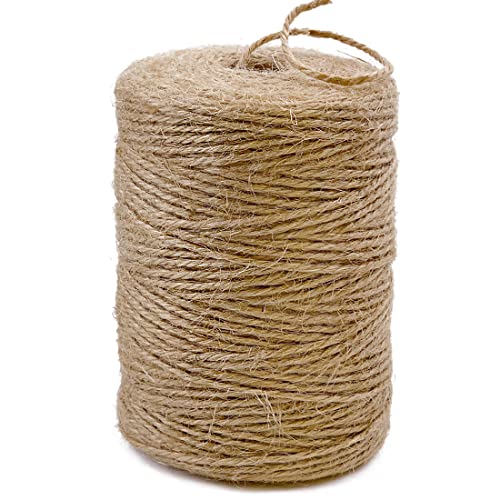
Jute is the heavy-duty workhorse of the fiber world, perfect for large, oversized pompom banners. Its coarse, fibrous texture provides an excellent "anchor" for your pompoms, effectively locking them in place without the need for excessive knotting.
This material is best suited for decor that leans toward the bohemian or farmhouse style. The natural, golden-brown hue of jute pairs beautifully with autumnal yarn palettes like mustard, burnt orange, and deep forest green.
Be mindful that jute can be quite "sheddy." If you are a knitter who is sensitive to fiber dust or dander, give the twine a quick shake outdoors before you begin your assembly.
Satin Ribbon: A Sleek Option for Festive Banners
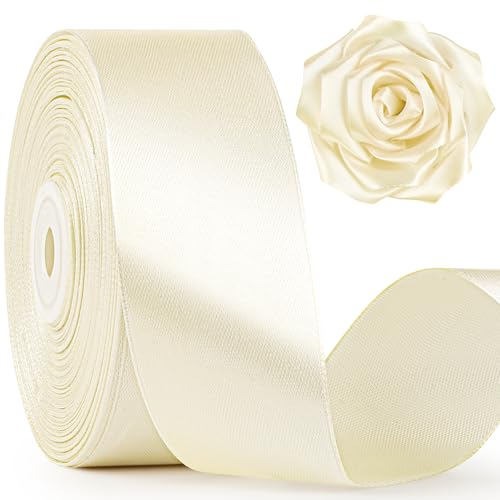
When you want your banner to feel more like a celebration than a craft project, reach for satin ribbon. It offers a smooth, luxurious finish that creates a beautiful contrast against the fuzzy, chaotic texture of a pompom.
Satin is inherently slippery, which is a consideration you must account for during assembly. You will need to use a double-knot or a small dab of clear fabric glue behind each pompom to ensure they don’t migrate along the ribbon.

This is the best choice for holiday-themed banners where you want a bit of shimmer. It catches the light in a way that matte twines simply cannot, making it a favorite for festive, high-contrast displays.
Braided Nylon Cord: Strength for Heavy Pompoms

If you are creating a massive, floor-to-ceiling installation, braided nylon is the only choice that offers the necessary tensile strength. It is virtually impossible to snap, making it ideal for banners that will be handled frequently or moved between locations.
Nylon is smooth and synthetic, meaning it lacks the "grip" of natural fibers. You will need to be very precise with your knotting technique, perhaps using a surgeon’s knot to ensure the pompoms stay put.
While it lacks the "cozy" aesthetic of wool or cotton, its durability is unmatched. It’s the industrial-strength solution for when your project needs to withstand the test of time and heavy use.
How to Select the Right Cord for Your Pompom Size
The weight of your pompom should dictate the diameter of your twine. For small, delicate pompoms (1-2 inches), a fine baker’s twine or thin ribbon is sufficient to support the weight without looking bulky.
Conversely, large, dense pompoms made from bulky-weight wool require a cord with a thicker gauge, like jute or heavy-duty nylon. If the cord is too thin, the pompom will droop, causing the banner to look "tired" rather than crisp.
Always consider the "drape" of the project. If you want the banner to sag in a soft, gentle curve, choose a flexible fiber; if you want a straight, taut line, opt for a stiffer cord.
Preventing Pompom Slippage on Your Chosen Twine
Slippage is the most common frustration when stringing a garland. To combat this, always tie your pompoms using the "tail" of the yarn used to secure the pompom center, wrapping it tightly around the main twine.
For extra security, you can use a small drop of fabric glue or a tiny clear elastic band on either side of the pompom. This creates a "stopper" that keeps the pompom perfectly centered on the twine.

If you are using a slick material like satin ribbon, consider sewing a single stitch through the center of the pompom and the ribbon itself. This is the most permanent, professional way to ensure your spacing remains perfect.
Measuring and Spacing Your Pompoms for Balance
Precision is the difference between a homemade look and a professional finish. Before you start tying, lay your twine out on a flat surface and use a measuring tape to mark your spacing with a pencil or a piece of painter’s tape.
Consistency is key; even a half-inch variance can make the banner look unbalanced to the trained eye. For a standard look, space your pompoms every 4 to 6 inches, depending on their size.
If you are unsure about the spacing, "dry fit" your pompoms along the twine before you secure them permanently. This allows you to step back and check the visual rhythm of the banner from a distance.
Essential Tools for Securing Pompoms to Twine
A sharp pair of embroidery scissors is your best friend for trimming the yarn tails close to the twine once the knot is tied. You’ll also want a tapestry needle with a large eye to thread the twine through the center of the pompom.
Keep a ruler or a quilting gauge handy to ensure your spacing remains uniform throughout the entire length of the banner. These small, simple tools prevent the "eyeballing it" approach that often leads to uneven results.
Finally, a small crochet hook can be invaluable for pulling stubborn yarn ends through the center of a dense pompom. With these items in your kit, you’ll be able to assemble your banner with the same care and attention you give to your finest knitting.
Building a pompom banner is a wonderful way to showcase your love for fiber and color in your living space. By matching the weight and texture of your twine to your pompoms, you create a cohesive piece that feels intentional and well-made. Don’t be afraid to experiment with different combinations to find the aesthetic that speaks to your personal style. Happy crafting, and may your garlands always hang perfectly straight.