7 Best Wool Soaps For Fiber Maintenance To Use
Proper care extends your wool’s lifespan. Discover the 7 best gentle soaps for fiber maintenance to keep your garments soft, clean, and durable for years.
Investing hours into a hand-knit garment means you have a vested interest in its longevity and softness. Using the wrong cleaning agent can strip your yarn of its natural character, leading to felted, stiff, or dull fabric. Choosing the right wool soap is the final, vital step in the crafting process that ensures your hard work stands the test of time. Here is a guide to the best wool soaps to keep your fiber projects looking as fresh as the day you cast them off.
Eucalan Delicate Wash: Best Overall for Wool Care
Eucalan has been a staple in my knitting bag for two decades because it is incredibly reliable and gentle. It is a no-rinse formula, which minimizes the amount of handling your delicate knits endure during the wash process.
The addition of lanolin in the formula acts as a natural conditioner for wool fibers, keeping them soft and resistant to static. I find this especially useful for sweaters that sit against the skin, as it keeps the wool from feeling scratchy or brittle.
Because you don’t have to rinse it out, you avoid the agitation that often causes unwanted felting in handmade items. Bottom line: It is the gold standard for everyday maintenance of your favorite wool garments.
Soak Wash: Best No-Rinse Option for Knitwear
Soak is perfect for when you want to wash a garment quickly without the hassle of multiple rinse cycles. Its formula is designed to be absorbed by the fiber and then left to air dry, which saves significant time during the blocking process.
I particularly enjoy the variety of scents, which are light and never overpowering once the garment is dry. If you are sensitive to fragrance, they also offer a scentless version that performs just as well.
The cleaning power is impressive, effectively lifting surface dirt and oils without damaging the protein structure of the wool. It’s an excellent choice for lace shawls or delicate items that you want to handle as little as possible.
Kookaburra Wool Wash: Best for Sensitive Skin
Kookaburra uses a unique blend of tea tree oil and manuka oil to clean and deodorize wool naturally. This makes it an ideal choice if you or the person you are gifting your knits to has sensitive skin or allergies to synthetic fragrances.
The tea tree oil provides a natural antimicrobial benefit, which is great for items like socks or hats that see heavy wear. It leaves the fiber feeling incredibly clean without any chemical residue.
Because it is so gentle, it won’t strip the natural oils from the wool. If you are dealing with skin sensitivities, this is the safest and most effective route for your fiber care.
The Laundress Wool & Cashmere: Best Premium Wash
If you have invested in high-end fibers like cashmere, alpaca, or angora, this is the wash you want in your laundry room. It is formulated specifically to protect the delicate scales of luxury animal fibers.
The scent is sophisticated, and the cleaning agents are powerful enough to remove stubborn grime while remaining gentle enough for the finest lace-weight yarns. It feels like a spa treatment for your most precious hand-knits.
While it comes at a higher price point, the concentration means you only need a small amount per wash. Use this for your heirloom pieces that require the highest level of care and fiber preservation.
Unicorn Fibre Wash: Best for Heavy Soiling
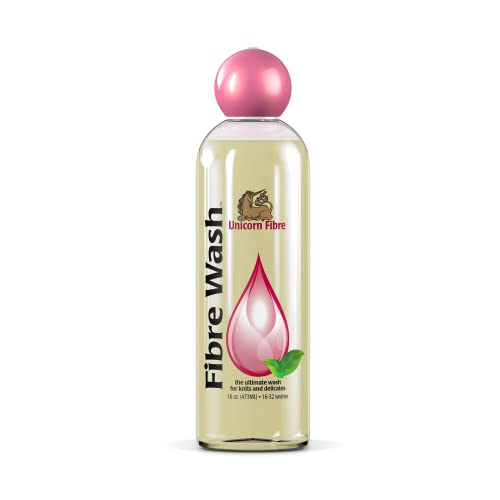

Unicorn Fibre Wash is a powerhouse when it comes to cleaning fibers that have been stored for a long time or have picked up significant dirt. It is a concentrated, pH-neutral wash that works wonders on both raw fleece and finished garments.
I recommend this for vintage finds or sweaters that have been sitting in a closet for years. It excels at breaking down oils and dust without requiring harsh scrubbing that could damage the yarn.
It is highly effective but requires a bit more care during the rinsing process compared to no-rinse formulas. Choose this when you need a deep clean for neglected or heavily used wool items.
Twig & Horn Wool Soap: Best Sustainable Choice
Twig & Horn focuses on minimal, natural ingredients, making it a fantastic choice for the environmentally conscious knitter. The soap is unscented and relies on simple, effective chemistry to clean your fibers safely.
It is particularly well-suited for those who prefer a traditional soap-based wash over modern synthetic detergents. It leaves the wool feeling clean and "bouncy," which is a hallmark of well-maintained, healthy yarn.
Their commitment to sustainable packaging and biodegradable ingredients aligns perfectly with the slow-fashion ethos of knitting. This is the best option for knitters who prioritize eco-friendly products in their daily routine.
Outback Gold Wool Wash: Best Natural Lanolin

Outback Gold is enriched with a high concentration of natural lanolin, which is vital for restoring the "life" to older or dry wool. If your knitwear feels a bit stiff or has lost its original luster, this wash will bring it back to life.
Lanolin is the natural oil found in sheep’s wool, and replenishing it helps the fibers remain soft and water-resistant. It is especially beneficial for wool socks, as it helps maintain the fiber’s natural elasticity.
You will notice an immediate difference in the drape and softness of your garment after just one wash. Use this for wool that has been washed frequently and needs a restorative boost of natural oils.
Why You Should Never Use Regular Detergent on Wool
Regular laundry detergents are often formulated with enzymes like proteases, which are designed to break down protein-based stains. Because wool is a protein fiber, these enzymes will literally begin to digest your yarn.
Using standard detergent will eventually cause your wool to become brittle, thin, and prone to holes. You might not notice the damage after one wash, but over time, the structural integrity of your stitches will fail.
Furthermore, standard detergents are often too alkaline for wool, which can cause the fibers to felt and mat together. Always stick to pH-neutral, wool-specific soaps to ensure your hard work doesn’t disintegrate in the wash.

Understanding the Importance of Lanolin in Fiber
Lanolin is the natural wax secreted by sheep to keep their fleece waterproof and protected from the elements. When we process wool into yarn, much of this lanolin is removed, leaving the fiber slightly dry.
Using a wool wash that contains lanolin helps replenish these oils, which keeps the yarn supple and soft against the skin. It also helps the fiber maintain its natural shape and prevents it from becoming "fuzzy" or pilled.
Think of it as a conditioner for your hair; just as your hair needs moisture to stay healthy, your wool garments need lanolin to remain soft and durable. Replenishing lanolin is the secret to making your knitwear last for decades rather than just a few seasons.
How to Properly Block Your Knits After Washing
Blocking is the process of shaping your finished garment to its final measurements after washing. It is the single most important step to transform a "homemade" looking item into a professional-quality piece.
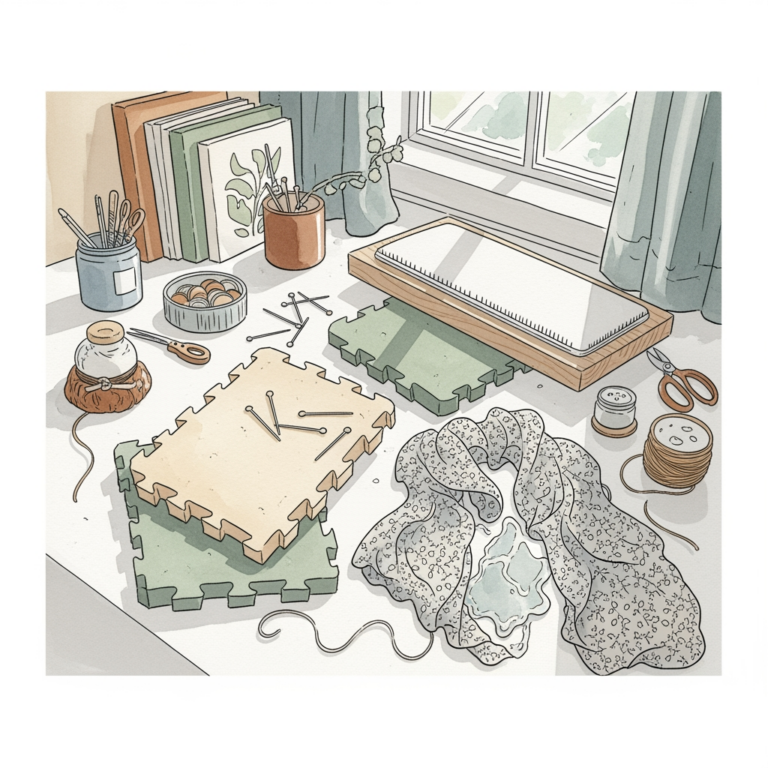
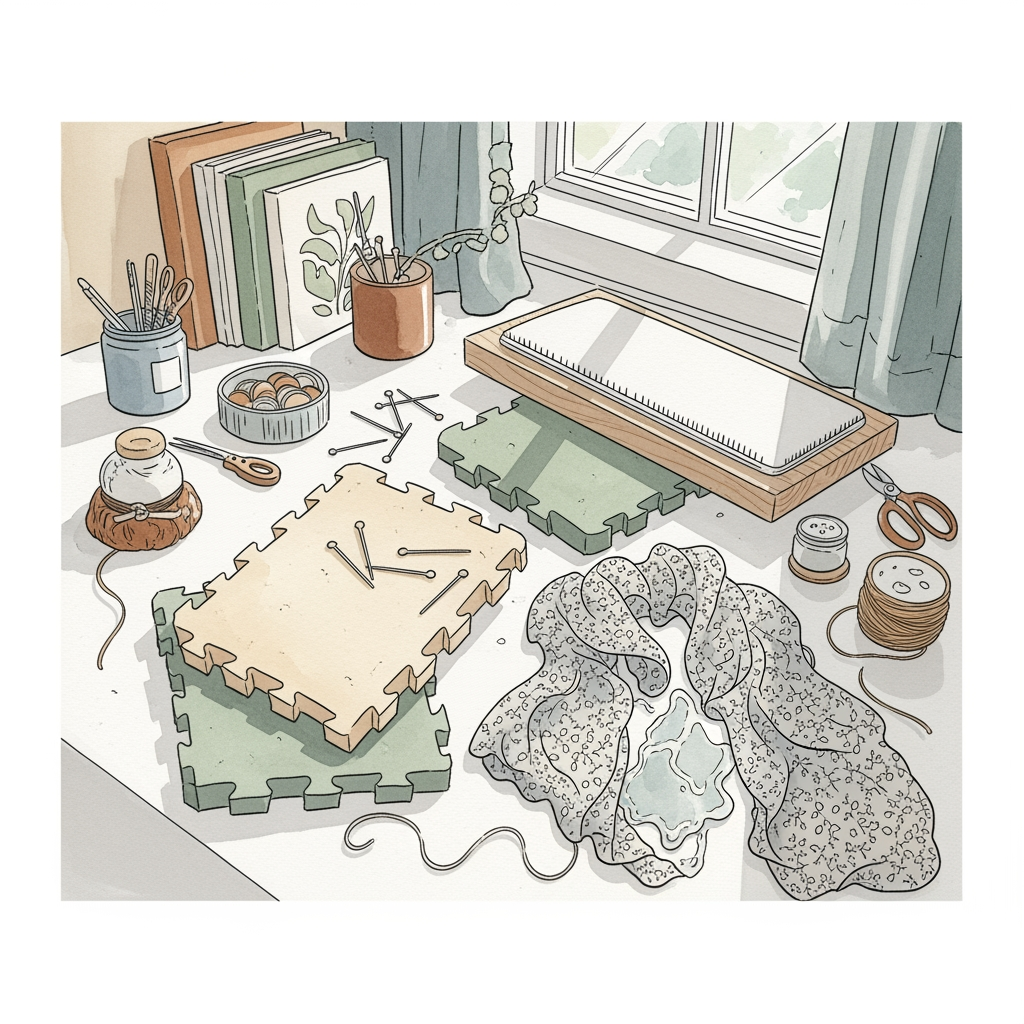
- Squeeze, don’t wring: Never wring out your wet wool, as this stretches and distorts the stitches. Instead, lay the item flat on a towel and roll it up like a burrito to absorb the excess water.
- Use the right tools: Invest in rust-proof T-pins and blocking mats to ensure your garment holds its shape while drying.
- Patience is key: Let the garment dry completely in a flat position, away from direct sunlight or heat sources, which can cause uneven drying or fiber damage.
By taking the time to block properly, you even out your tension and allow the stitches to settle into their intended pattern. Never skip this step, as it is where the true beauty of your stitch work is finally revealed.
Caring for your hand-knits is an extension of the creative process that should be just as rewarding as the knitting itself. By selecting a high-quality wool wash and handling your garments with the respect they deserve, you ensure your projects remain cherished heirlooms. Take the time to treat your yarn well, and it will continue to keep you warm and stylish for years to come. Happy washing, and may your stitches always stay soft.