6 Best Decorative Wall Brackets For Yarn Shelving
Organize your craft space with these 6 top-rated wall brackets. Discover durable, stylish options perfect for displaying yarn while keeping your stash accessible.
Every knitter eventually faces the "stash overflow" dilemma, where precious skeins migrate from neat bins to every available surface in the house. Choosing the right wall brackets is about more than just aesthetics; it is about creating a structural home for your fiber investment. Whether you are displaying hand-dyed merino or storing bulk acrylic, your shelving must be as reliable as a perfectly tensioned stitch. This guide will help you select the right hardware to keep your yarn safe, accessible, and beautifully organized.
Industrial Pipe Brackets: Best For Heavy Stash
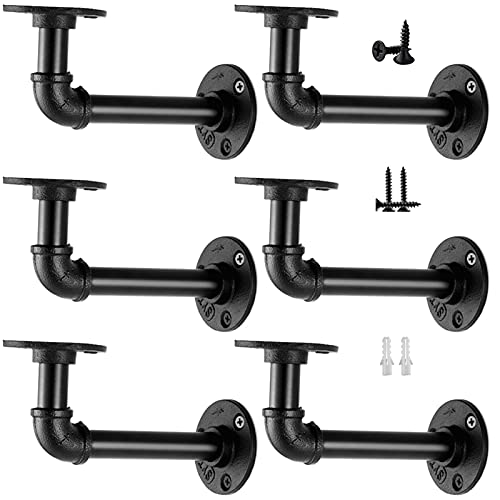

If you have a collection of bulky wools or large-scale sweater quantities, industrial pipe brackets are your best defense against sagging shelves. These brackets are built from threaded iron piping, providing a rigid, immovable base that won’t budge under the weight of ten pounds of worsted-weight yarn.
The aesthetic is raw and functional, perfect for a studio space where you want the focus to remain on the texture of your fibers. Because they are typically bolted directly into wall studs, they offer the highest load-bearing capacity of any decorative bracket.
However, be prepared for the installation process; these are heavy and require precise leveling to ensure your yarn doesn’t slide toward one end. If you are storing precious, delicate lace-weight silk, ensure the pipe edges are finished smoothly to avoid any accidental snagging.
Iron Orchid Decorative Scrollwork Wall Brackets

Scrollwork brackets bring a touch of Victorian elegance to a yarn room, turning a simple shelf into a focal point. These are ideal for showcasing your favorite hand-dyed skeins or vintage tools like wooden swifts and ball winders.
While they look delicate, cast iron scrollwork is surprisingly sturdy. They provide excellent support for medium-weight shelves, though they are not intended for floor-to-ceiling stacks of heavy, untreated wool.
The main trade-off here is the intricate design, which can sometimes interfere with how you position your yarn. Ensure the scrollwork doesn’t protrude too far into your shelf space, or you might find yourself constantly moving skeins to clear the decorative metalwork.
Rustic Farmhouse Reclaimed Wood Shelf Brackets

Reclaimed wood brackets offer a warm, organic feel that complements the natural origins of your wool, alpaca, and mohair fibers. They add a sense of history and softness to a room, making them a popular choice for cozy knitting nooks.
These brackets often feature wider bases, which provide excellent stability for shallower shelves. They work exceptionally well when you want to display yarn in decorative baskets or clear glass jars to protect them from dust.
Keep in mind that reclaimed wood can be uneven; always check that your shelves sit flush against the bracket surface. If the wood is rough, give it a light sanding to prevent snagging your delicate fibers when pulling a skein off the shelf.
Minimalist Solid Brass Modern Shelf Supports

For the modern knitter who prefers a clean, uncluttered visual, solid brass supports are the gold standard. They are subtle and sophisticated, allowing your vibrant, multi-colored yarn collections to take center stage without visual competition from the hardware.
Brass is incredibly durable and holds its finish well over time. Because these brackets are often smaller and more streamlined, they are best suited for lighter weight shelving, such as displaying your finished swatches or a curated rotation of seasonal yarns.
The downside is the price point, as high-quality brass is a significant investment compared to steel or iron. If you choose these, ensure you are using high-quality screws, as the brass finish can be easily marred by cheap, ill-fitting hardware.
Ornate Victorian Style Cast Iron Wall Brackets

Victorian-style brackets are for the knitter who treats their stash as a curated museum collection. These heavy-duty pieces often feature intricate floral or geometric patterns that evoke the charm of a traditional craft room.
They are remarkably strong, often capable of holding significant weight if mounted into studs. They provide a sturdy, reliable foundation for long shelves that span the length of a wall, perfect for organizing your entire collection by weight or fiber content.
Because of their ornate nature, they are harder to clean than simple steel brackets. You will want to dust them regularly to prevent debris from settling onto your yarn, especially if you store your stash uncovered.
Sleek Matte Black Geometric Steel Brackets

Matte black steel brackets are the ultimate "workhorse" for the serious knitter. They offer a contemporary, industrial look that is both versatile and incredibly strong, handling heavy loads of yarn without any visual distraction.
The geometric shape provides a clean, 90-degree angle that makes it easy to stack yarn neatly. This is particularly helpful when you are color-coding your stash, as the stark black background helps the colors of your yarn pop.
Since these are often powder-coated, they are very smooth and unlikely to snag your yarn. They are the most practical choice for high-traffic areas where you are constantly pulling skeins down for new projects.
How To Calculate Your Yarn Storage Weight Needs
Before you buy, you must estimate the total weight of your stash to avoid shelf failure. A single sweater quantity of worsted-weight wool can weigh over a pound, and a full shelf of these can easily exceed twenty pounds.
- Weigh your yarn: Use a kitchen scale to weigh a representative sample of your stash.
- Calculate shelf capacity: Add the weight of the shelf board itself to the yarn weight.
- Factor in "future-proofing": Always add a 25% buffer for the inevitable new yarn purchases.
If your total weight exceeds 30 pounds per shelf, you must use heavy-duty steel brackets mounted directly into wall studs. Never rely on drywall anchors alone for heavy yarn collections.
Essential Tips For Mounting Shelves On Drywall
The biggest mistake knitters make is underestimating the leverage exerted on a shelf bracket. When you pull a skein of yarn off a shelf, you create a downward force that can easily pull a poorly anchored bracket out of the wall.
- Find the studs: Use a high-quality stud finder to ensure your brackets are anchored into the wooden frame of the house.
- Use toggle bolts: If you cannot hit a stud, use heavy-duty toggle bolts rather than standard plastic anchors.
- Leveling is non-negotiable: Use a spirit level to ensure your shelves are perfectly horizontal.
If your yarn is not level, you will find that your skeins slowly migrate toward the lower side over time. This creates an uneven weight distribution that can stress your brackets and lead to premature failure.
Organizing Your Yarn By Fiber Type And Color
Once your shelves are installed, the real fun begins: organizing your stash. I recommend grouping by fiber type first, as protein fibers like wool and alpaca have different storage needs than plant fibers like cotton or linen.
- Protein fibers: Keep these in a cool, dry place away from direct sunlight to prevent fading and pest issues.
- Plant fibers: These are generally more resilient but should still be kept away from excessive humidity to prevent mildew.
- Visual organization: Arrange by color gradient to make choosing your next project’s palette a breeze.
Don’t be afraid to use bins for smaller items like lace-weight mini-skeins or sock yarn scraps. Keeping these in clear containers on your shelves prevents them from becoming tangled or lost in the shuffle.
Maintaining Your Wall Shelves For Yarn Safety
Your yarn is an organic material, and your shelving system needs periodic maintenance to ensure it remains a safe home for your fiber. Every few months, take everything down to inspect the brackets for any signs of loosening.
Dust your brackets and shelves regularly to prevent buildup that could transfer to your yarn. If you notice any sagging in the shelves, it is a sign that your brackets are spaced too far apart or the shelf material is too thin for the weight.
Finally, keep an eye out for any temperature or moisture fluctuations in the room. A stable environment is the single most important factor in keeping your yarn in pristine condition for years to come.
Building the perfect yarn storage system is a project in itself, but the result is a beautiful, functional space that inspires your next cast-on. By choosing brackets that balance your aesthetic preferences with the structural realities of your stash, you ensure your yarn stays safe and organized. Take your time with the installation, respect the weight limits of your chosen hardware, and enjoy the peace of mind that comes with a well-managed collection. Happy knitting, and may your shelves always be full of inspiration.