6 Best Yarn Ball Storage Boxes For Gift Sets Organized
Discover the top 6 yarn storage boxes perfect for gift sets. Our guide helps you organize your supplies efficiently while keeping your materials pristine.
Every knitter eventually faces the "yarn avalanche," where beautiful hanks and cakes migrate from project bags to every corner of the home. Protecting your investment requires more than just a shelf; it demands deliberate storage solutions that shield fibers from the elements. Whether you are curating a gift set for a fellow maker or organizing your own stash, the right container makes all the difference. Here are the best storage solutions to keep your fiber pristine and your creative space serene.
ArtBin Super Satchel: Best Overall Storage Box
The ArtBin Super Satchel is a staple in many dedicated craft rooms because of its sheer versatility and depth. It is deep enough to hold several hand-wound cakes of worsted weight yarn without crushing them, which is vital for maintaining the loft of wool fibers.


The primary benefit here is the modular divider system. You can customize the interior compartments to separate your mohair blends from your sturdy cottons, preventing fiber migration or accidental snagging.
However, keep in mind that the plastic latches can be a bit stiff. If you have limited hand strength or arthritis—common ailments for those of us who spend hours on intricate lace—you might find them tricky to operate repeatedly.
Sterilite Gasket Box: Best for Moisture Control
If you live in a humid climate, you know that moisture is the enemy of natural fibers like wool and alpaca. The Sterilite Gasket Box features a silicone seal that creates an airtight environment, effectively blocking out dampness and potential pests.
This is the gold standard for long-term storage of precious hand-dyed yarns or heirloom-quality fibers. By keeping the humidity levels stable, you prevent the fibers from absorbing ambient moisture, which can lead to musty odors or even mold growth over time.

The trade-off is that these boxes are not breathable. You must ensure your yarn is completely dry and free of any moth larvae before sealing it away, or you risk trapping problems inside with your stash.
IRIS USA Modular Case: Best Clear View Option

Visibility is often the biggest hurdle in stash management; if you can’t see it, you forget you have it. The IRIS USA Modular Case is perfectly transparent, allowing you to scan your color palette at a glance without unstacking everything.
These cases are excellent for color-coordinating your stash by dye lot or fiber content. When you are planning a large-scale project like a stranded colorwork sweater, being able to see your contrast colors against your main color through the lid is a massive time-saver.
Because these are made of a thinner plastic than the ArtBin, they are not intended for heavy-duty stacking of massive yarn quantities. They are best suited for lighter, delicate fibers or smaller notions and accessories.
Honey-Can-Do Rolling Cart: Best Mobile Storage
For the knitter who moves from the living room sofa to the dining table for blocking, mobility is non-negotiable. The Honey-Can-Do rolling cart allows you to keep your current project sets organized and ready to roll.
The open-bin design is fantastic for ventilation, which is crucial for natural fibers that need to "breathe." It prevents the buildup of stale air and allows you to quickly grab a specific ball of yarn without digging through a deep, opaque bin.
Be aware that an open cart offers no protection against dust or curious pets. If you have a cat, you know that an exposed basket of yarn is essentially a high-end toy; in that case, you might need to drape a cloth over the top when not in use.
Really Useful Box Set: Best Stackable Solution

The "Really Useful" brand lives up to its name by offering a rigid, rectangular design that maximizes every inch of shelf space. Their strength lies in their ability to stack securely without warping, even when packed with heavier yarns like wool-acrylic blends.
Their uniform shape is perfect for creating a "library" of yarn. You can easily label the ends of the boxes by weight—fingering, sport, DK, worsted—to keep your stash categorized logically.
They are quite rigid, which is a double-edged sword. While they protect your yarn from being crushed, they don’t offer much "give," so you cannot overstuff them without risking damage to the box or the yarn inside.
Whitmor Clear Zippered Bag: Best Budget Choice
Sometimes the best solution is the simplest one. These clear, zippered storage bags are incredibly lightweight and allow you to group yarn by project rather than just by fiber type.
They are perfect for someone just starting their stash who doesn’t want to invest in expensive plastic bins. You can easily tuck these into a closet or under a bed, and the clear window lets you identify the contents instantly.

Because they are fabric-based, they do not offer the same level of protection against moths or silverfish as a hard-sided bin. I recommend using these primarily for synthetic blends or cottons, which are less attractive to pests than high-quality wool.
How to Protect Your Yarn from Pests and Humidity
Pests are the nightmare of every serious knitter. To keep your stash safe, always store your yarn in airtight containers and consider using natural deterrents like cedar blocks or lavender sachets.
Humidity is equally dangerous, as it can cause natural fibers to felt or become brittle. If you live in a damp area, toss a few silica gel packets into your storage boxes to absorb excess moisture before it settles into your fibers.
Never store your yarn directly on a concrete floor, as moisture can wick upward. Always use a shelf or a pallet to create a buffer between your storage containers and the foundation of your home.
Organizing Your Stash by Fiber Type and Weight
Organizing your stash is not just about aesthetics; it is about efficiency. I suggest grouping your yarn first by weight (WPI, or Wraps Per Inch), as this dictates what patterns you can actually knit.
Once sorted by weight, organize by fiber content. Keep your delicate, high-maintenance fibers (like silk or angora) separate from your workhorse superwash wools. This prevents the rougher fibers from abrading the more delicate ones.
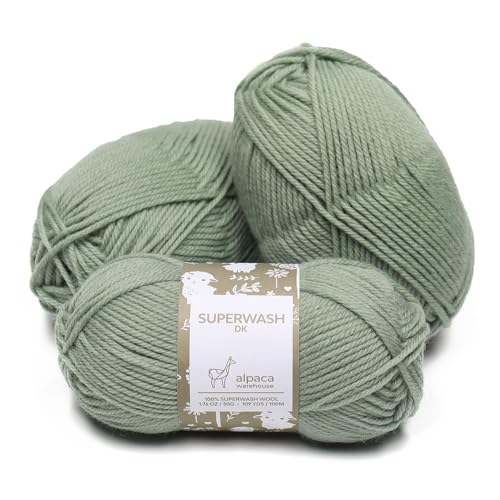
If you have a large collection, keep a digital or physical inventory. Knowing exactly how many yards of a specific colorway you have prevents the common mistake of buying "just one more skein" when you already have enough for a sweater.
Maximizing Small Spaces for Yarn Ball Storage
In a small apartment, vertical space is your best friend. Use stackable bins that go all the way to the ceiling, and utilize over-the-door organizers for your smaller accessories like needles, stitch markers, and measuring tapes.
Under-bed storage bins are another excellent way to hide your stash in plain sight. Opt for low-profile, long bins that can slide easily across the floor, ensuring you don’t have to strain your back to reach your yarn.
Remember that vacuum-sealing yarn is a controversial topic in the knitting community. While it saves space, it can compress the fibers to the point of losing their bounce and loft; only use this for synthetic yarns that are less prone to permanent deformation.
Why Proper Storage Extends Your Yarn Life Span
Yarn is an organic material that reacts to its environment. By controlling light, temperature, and moisture, you prevent the natural oils in the wool from drying out or the colors from fading due to UV exposure.
Proper storage also keeps your yarn "ready to knit." When yarn is stored correctly, you don’t have to spend hours untangling snarls or steaming out wrinkles before you can cast on your next project.
Ultimately, treating your yarn with respect is part of the craft. When you invest in good storage, you are ensuring that the time and money you spent selecting that perfect skein will result in a beautiful, long-lasting finished garment.
Investing in the right storage is just as important as choosing the right needles for your project. By protecting your stash from the elements and organizing it for easy access, you transform your collection from a chaotic pile into a curated library of creative potential. Take the time to evaluate your space and your fiber needs, then choose the solution that best fits your lifestyle. Your future self—and your finished sweaters—will thank you for the extra care.