7 Best Reference Books for Metallic Embroidery Stitches
Master metallic embroidery with our curated list of 7 essential guides. Learn expert techniques, needle choices, and thread handling for stunning results.
Metallic embroidery brings a level of opulence to textile arts that rivals the intricate detail of a fine lace shawl. Much like choosing the right needle for delicate silk yarn, selecting the proper guidance for metallic work is essential for success. These seven books provide the technical foundation needed to navigate the unique challenges of working with metal threads. Mastering these stitches will elevate your fiber projects from simple crafts to heirloom-quality pieces.
Goldwork Embroidery by Tanja Berlin: Best Overall
Tanja Berlin’s approach is akin to a master class in tension management, much like maintaining an even gauge across a complex stranded colorwork sweater. She breaks down the intimidating world of goldwork into manageable, logical steps that respect the fragility of the materials.
The strength of this book lies in its clarity regarding the "why" behind each stitch. It serves as a comprehensive manual that doesn’t just show you where to place the needle, but explains how to handle the metal thread so it doesn’t lose its luster or structural integrity.
If you are looking for a singular resource that covers everything from foundational padding to advanced surface techniques, this is the gold standard. Treat this book as your primary reference, much like a well-worn copy of a stitch dictionary you keep permanently on your desk.
The Art of Goldwork by Jane Lemon for Beginners


If you are just starting your journey into metal threads, Jane Lemon’s work is the perfect entry point. It is less about complex, avant-garde designs and more about building a solid, reliable foundation of basic techniques.
Think of this book as the "garter stitch" of goldwork—it is simple, essential, and entirely necessary for everything that follows. She emphasizes the importance of proper preparation, which is as critical as swatching before starting a sweater.
The instructions are patient and avoid the common pitfall of overcomplicating the basics. It is the ideal choice for someone who wants to learn the mechanics without feeling overwhelmed by artistic theory.
RSN Essential Stitch Guide: Goldwork Techniques

The Royal School of Needlework (RSN) sets the bar for technical precision, and this guide is no exception. It functions like a technical manual for a high-end knitting machine, focusing on the absolute, correct way to execute professional-grade stitches.
This book is invaluable for those who value strict, traditional methodology. It provides a visual clarity that is often missing from more interpretive texts, making it a great resource when you are stuck on a specific technical hurdle.
However, be warned: this is a highly structured guide. It assumes you are looking for perfection, not shortcuts, much like a knitter who insists on invisible joins and perfect kitchener stitch every single time.
Metal Thread Embroidery by Jane Zimmerman Review

Jane Zimmerman’s approach is refreshing because it focuses on the practical application of metal threads in a more contemporary context. It reads like a conversation with a fellow maker who has already learned from the mistakes you are about to make.
The book excels at explaining the properties of different metal threads, such as purl, passing, and braid. Understanding these fibers is just as important as knowing the difference between a high-twist merino and a slippery bamboo blend.
If you find other manuals too stiff or academic, pick up this title. It offers a balance of technique and experimentation that encourages you to actually use the materials rather than just hoarding them in your stash.
Goldwork Techniques and Projects by Hazel Everett

Hazel Everett provides a fantastic bridge between theory and practice through her project-based approach. She understands that we learn best by doing, much like how a knitter learns the nuances of lace by tackling a complex shawl pattern.
The projects are designed to teach specific skills, ensuring that you build your confidence as you move from simple couching to more intricate raised work. It is a very hands-on, tactile way to learn.
This book is perfect for the knitter who gets bored with just practicing swatches. You will finish the book with a set of completed pieces that showcase your growing expertise.
Modern Goldwork: A Guide by Elizabeth Zimmerly
Elizabeth Zimmerly brings a fresh, artistic perspective to a very traditional craft. This book is for the maker who wants to break the rules, much like a knitter who enjoys mixing textures and unconventional fibers in their designs.
It explores how metallic threads interact with modern fabrics and contemporary design sensibilities. It is less about "doing it the old way" and more about "doing it in a way that works for today."
This is a great choice if you have already mastered the basics and want to push your boundaries. It will challenge your perception of what metallic embroidery can look like in a modern home.
The Embroiderer’s Handbook by Christen Brown
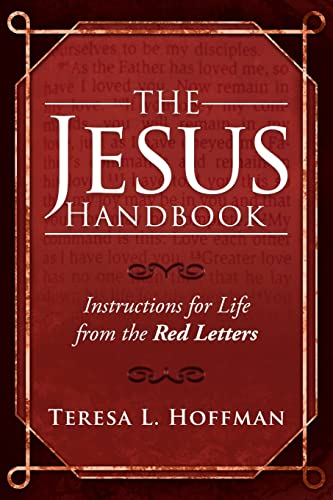
While not exclusively about goldwork, this handbook is an essential reference for any fiber artist’s library. It covers a vast array of techniques, including those involving metallic threads, in a very accessible, visual format.
Think of this as the "encyclopedia" of your craft. When you need a quick reminder of how a specific stitch is executed, you will find yourself reaching for this book time and again.
It is an excellent supplement to the more specialized goldwork books. It provides the "big picture" of embroidery that helps you integrate metallic elements into broader mixed-media projects.
Essential Tools for Metallic Thread Embroidery
Just as you wouldn’t use a blunt needle for fine lace, you cannot use standard sewing tools for metal threads. You need specialized equipment that respects the delicate nature of the wire.
- Goldwork needles: These have rounded points that slide between threads rather than piercing them.
- Velvet or felt board: Essential for keeping your cut lengths of metal thread from rolling away.
- Stiletto: A critical tool for positioning threads with precision, similar to using a cable needle to hold stitches.
- Fine-tipped embroidery scissors: Must be sharp enough to cut metal without fraying the ends.
Investing in these tools early will save you hours of frustration. Using the wrong tool is the quickest way to ruin an expensive thread and lose your motivation.
How to Manage Metallic Threads Without Snagging
Managing metallic thread is essentially a game of tension control. If you pull too hard, the metal will stretch and lose its shape; if you are too loose, the thread will snag on the slightest imperfection.
Always work with shorter lengths of thread to minimize the wear and tear caused by passing through the fabric repeatedly. This is exactly why we use shorter lengths of yarn when working with fragile, single-ply fibers that are prone to breaking.
Keep your hands clean and dry, as oils from your skin can tarnish the metal over time. Think of it like handling a delicate mohair yarn—the less you manipulate it, the better it will look in the final project.
Troubleshooting Common Metallic Stitching Errors
The most common error is "the snag," which usually happens when the thread catches on the eye of the needle or the fabric weave. If you feel resistance, stop immediately and check your path, just as you would stop to fix a dropped stitch before it runs down your entire row.
If your thread is fraying, check if you are using the correct needle size. A needle that is too thick will create a hole that is too large, causing the thread to sit poorly and potentially unravel.
Finally, remember that patience is your most important tool. If a stitch isn’t sitting right, don’t force it; unpick it and try again, knowing that the final result will be worth the extra effort.
Metallic embroidery is a rewarding pursuit that demands the same patience and attention to detail as any high-level fiber art. By selecting the right reference book and respecting the unique properties of your materials, you can create stunning, professional-grade work. Remember to start with the basics, invest in the right tools, and enjoy the process of learning this timeless craft. Your future projects will undoubtedly shine with the effort you put into mastering these techniques.