6 Best Tapestry Frames For Wall Hangings To Try
Discover the 6 best tapestry frames for wall hangings. This guide explores top mounting options to ensure your textile art stays secure, level, and elegant.
Finding the right foundation for your wall hanging is as critical as selecting the perfect wool for a cabled sweater. A sturdy frame dictates the tension of your warp, which ultimately determines the drape and structure of your finished fiber art. Whether you are a novice weaver or a seasoned textile artist, the right tool transforms a tangle of yarn into a polished masterpiece. Let’s explore the frames that will best support your creative vision.
Fringeless Adjustable Tapestry Frame: Best Overall
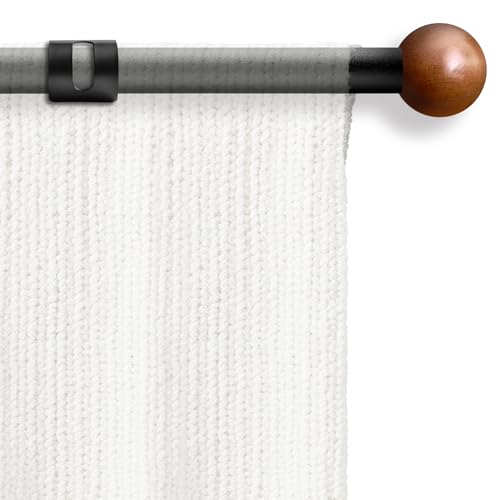

This frame is a workhorse for anyone who wants a clean, professional finish without the hassle of managing excess warp threads. By allowing you to adjust the length of your project, it eliminates the need to cut your piece off the loom prematurely.
The standout feature here is the tensioning mechanism, which keeps your warp threads taut throughout the entire process. If you’ve ever struggled with sagging warp threads while working on a complex piece, you know how frustrating it is to maintain consistent gauge.
This frame is ideal for those who prefer a minimalist aesthetic where the weaving itself takes center stage. It’s a reliable, no-nonsense tool that lets you focus on your weave structure rather than fighting the hardware.
Ashford Knitters Loom: Best for Versatility

While technically a rigid heddle loom, this frame is a favorite among knitters who want to bridge the gap between weaving and textile arts. It offers a smooth shedding mechanism that makes picking up warp threads significantly faster than manual methods.
If you enjoy working with a variety of yarn weights—from lace-weight mohair to chunky, hand-spun wool—this loom handles the transition beautifully. The adjustable tension pegs allow you to customize your setup based on the elasticity of your fiber.
Be mindful that this loom requires a bit more assembly and setup time compared to a simple frame. However, the ability to create intricate patterns with a shedding device makes it an invaluable asset for more ambitious, textured wall hangings.
Schacht Cricket Loom: Best for Small Projects
The Cricket is compact, lightweight, and incredibly intuitive for those who are used to the small scale of knitting needles. It is perfect for those who want to experiment with weaving without dedicating a large portion of their studio space to a loom.
Because of its smaller footprint, it’s easy to move from your kitchen table to your favorite armchair. It is particularly effective for testing out color palettes or weave structures before committing to a larger wall hanging.
The trade-off here is the limited width, which might feel restrictive if you are planning a grand, wide-format tapestry. For smaller, detailed panels or decorative accents, however, it is unmatched in its ease of use.
Beka Weaving Loom: Best for Beginner Crafters
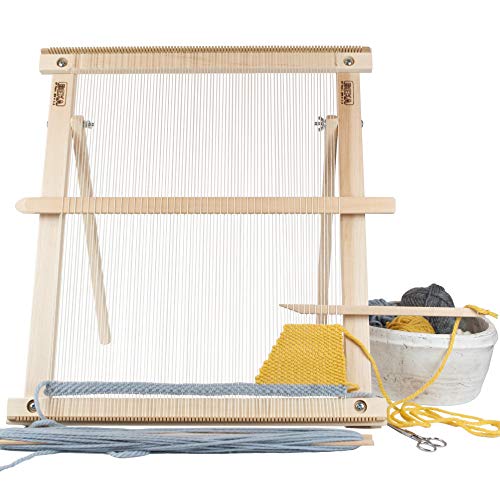
Beka looms are the gold standard for those just starting their journey into fiber arts. They are straightforward, durable, and lack the intimidating complexity of professional-grade equipment.
The simple notched beams make warping a breeze, which is often the biggest hurdle for new weavers. If you are prone to getting overwhelmed by complex hardware, the Beka’s simplicity will be a welcome relief.
Keep in mind that these looms are fixed in size, so you won’t have the luxury of expanding your project mid-weave. They are best suited for learning the fundamentals of warp and weft before investing in more expensive, adjustable systems.
Harrisville Designs Lap Loom: Best for Portability

If you are a "knitting on the go" type of person, the Harrisville Lap Loom is your best companion. It is small enough to tuck into a project bag, yet sturdy enough to hold a decent amount of tension for a wall hanging.
The wooden frame is crafted to withstand years of use, and the simplicity of the design means there is very little that can break or malfunction. It’s perfect for those who want to weave while traveling or sitting in the park.
Because it lacks advanced tensioning systems, you will need to be diligent about keeping your warp tight by hand. It’s a great way to practice manual tension control, a skill that will serve you well in any fiber discipline.
Mirrix Lani Loom: Best for Professional Quality
When you are ready to move from hobbyist to professional, the Mirrix Lani is the investment piece you’ve been waiting for. It is engineered for high-tension weaving, which is essential for detailed, fine-art tapestries.
This loom allows for a level of precision that is simply not possible on basic wooden frames. If you are working with fine silk or delicate linen, the ability to micro-adjust your tension will prevent your warp from snapping or unevenly stretching.
This is a serious tool for a serious maker. It is more expensive and requires a deeper understanding of loom mechanics, but the payoff in the quality of your finished wall hangings is undeniable.
How to Choose the Right Frame for Your Wall Art
Choosing a frame is much like choosing a needle material; you have to consider your project goals and your own physical habits. If you tend to weave with high tension, look for a frame with a metal tensioning bar rather than simple wooden pegs.
Think about the scale of your work. If you plan on creating massive, floor-to-ceiling tapestries, a lap loom will only lead to frustration. Conversely, if you want to create small, intricate wall hangings, a large floor loom will feel cumbersome and unnecessary.
Always evaluate your workspace. A loom that is difficult to store or constantly in the way will eventually gather dust. Choose a tool that fits your lifestyle as much as it fits your artistic goals.
Essential Tools for Successful Tapestry Weaving
Beyond the loom itself, you need a few core items to ensure your project stays on track. A reliable tapestry needle is essential for tucking in ends and managing small details.
- Weaving Comb: Use this to push your weft down firmly, ensuring even coverage of your warp.
- Measuring Tape: Essential for maintaining symmetry in your design.
- Shed Stick: A simple tool that helps you create openings for your yarn to pass through quickly.
Don’t underestimate the importance of good scissors. Much like in knitting, where a dull pair can fray your yarn ends, a sharp pair of fabric shears is vital for clean, professional finishing touches.
Comparing Wood Types for Your Weaving Frames
Most frames are made from hardwoods like maple or cherry, which are excellent for their density and resistance to warping. Avoid cheap, soft woods if possible, as they can splinter and snag your more delicate fibers over time.
Hardwoods also hold screws and tensioning hardware much more securely than softer woods. If you are buying a frame that you intend to use for years, the extra cost for a high-quality hardwood frame is an investment in the longevity of your craft.
Check the finish of the wood as well. A smooth, sanded finish is non-negotiable, as even a tiny burr can catch on your yarn and ruin the tension of your entire piece.
Frequently Asked Questions About Tapestry Frames
Can I use a knitting loom for tapestry weaving? While you can technically weave on a circular knitting loom, the tension and structure are designed for loops, not flat tapestry. You will get much better results with a dedicated flat-frame loom.
Does the size of the frame limit the size of my wall hanging? Yes, to an extent. While you can move your work on some frames, the width is almost always fixed. Always plan your project width based on your loom’s capacity.
How do I keep my edges straight? This is the most common struggle for beginners. Use "temples" or "stretching bars" to maintain consistent width, and remember to keep your tension even as you pass the weft.

Selecting a tapestry frame is a deeply personal process that balances your technical needs with your creative aspirations. Whether you choose a simple lap loom or a professional-grade Mirrix, the key is to understand how your tool interacts with your yarn. Take your time, experiment with different tensions, and enjoy the meditative rhythm of the weave. Happy creating, and may your warp always stay taut.