7 Best Blunt Tip Needles For Avoiding Yarn Splitting
Stop splitting yarn with these 7 top-rated blunt tip needles. Our guide helps you select the perfect tool for smooth, professional-looking finishing work.
Nothing ruins the rhythm of a relaxing knitting session quite like a needle tip that insists on piercing the middle of your yarn ply. When you are working with luxury fibers or loosely spun singles, a sharp needle can turn a simple stockinette stitch into a fraying disaster. Choosing a blunt-tipped needle is the secret to maintaining stitch integrity and keeping your finished fabric looking professional. Here are the best options for ensuring your yarn stays intact from cast-on to bind-off.
ChiaoGoo Bamboo Circulars: Best for Soft Splitting


If you find yourself constantly snagging delicate, multi-ply wools, these ChiaoGoo bamboo needles are a revelation. Their tips are rounded just enough to glide into stitches without piercing the strand, yet they aren’t so dull that they feel cumbersome.
The join between the bamboo and the cable is notoriously seamless, which is a massive help when you are working with sticky, high-friction fibers like mohair or angora. You won’t have to fight the transition, allowing the yarn to slide onto the needle shaft with minimal resistance.
These are an excellent choice for those who knit with a tighter tension. Because the bamboo provides a bit of natural drag, it prevents your stitches from sliding off accidentally, giving you more control over your gauge.
Knitter’s Pride Dreamz: Best Smooth Wood Option
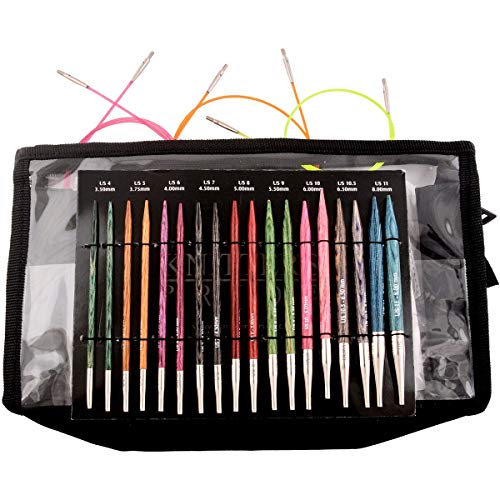
Knitter’s Pride Dreamz are polished to a high sheen, making them feel much faster than standard wooden needles. Despite this slickness, the tips remain blunt enough to prevent unwanted splitting during rapid-fire knitting.
These are particularly useful if you are working with cotton or linen, which can be unforgiving if your needle tip is too sharp. The smooth surface allows these less-elastic fibers to move freely, while the rounded tip ensures you catch the whole loop rather than a single ply.
One tradeoff to consider is that the finish can eventually wear down if you are a very heavy-handed knitter. However, for most projects, the balance of speed and control makes them a staple in many project bags.
Lykke Driftwood Needles: Best for Grip and Comfort
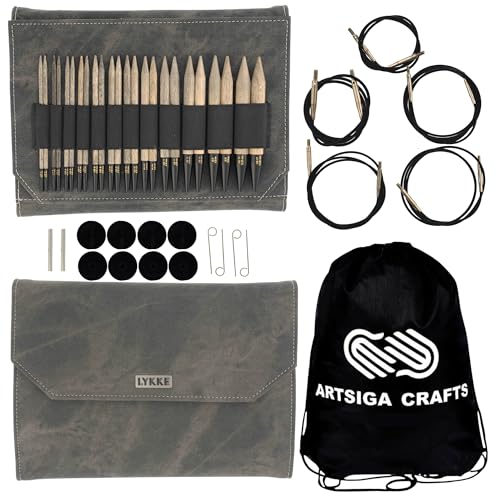
Lykke Driftwood needles have a distinct, slightly textured feel that provides just the right amount of "grab." If you are working with slippery materials like silk or bamboo blends, this added friction keeps your stitches exactly where they belong.
The tips are intentionally blunt, which is a deliberate design choice aimed at those who struggle with yarn splitting. They feel incredibly comfortable in the hand during long knitting sessions, reducing the fatigue that often comes with using metal needles.
Be mindful that because they are made from birch, they are slightly more prone to snapping if you sit on them or pack them poorly. Treat them with care, and they will reward you with a consistent, snag-free knitting experience.
Addi Natura Bamboo: Best for Delicate Hand Knits

Addi is famous for their metal needles, but their Natura line offers a beautifully crafted bamboo alternative. These needles are exceptionally lightweight, which is a major advantage for large-scale projects like blankets or sweaters.
The tips are soft and rounded, making them ideal for hand-dyed yarns that might have uneven spin or delicate fibers. When you are working with a yarn that has a loose twist, a sharp needle is your enemy; the Addi Natura acts as a gentle guide.

These needles are best suited for knitters who prefer a relaxed, quiet knitting experience. The wood-on-wood sound is muted and calming, which is a nice contrast to the clicking of metal needles.
Clover Takumi Bamboo: Best Value for Beginners
Clover Takumi needles are the gold standard for beginners for a reason: they are consistent, affordable, and widely available. The tips are slightly blunter than many professional-grade needles, which is perfect for someone still learning to control their tension.
If you are just starting out, you are likely to split your yarn more often as your muscle memory develops. Using a needle that is less prone to piercing the yarn helps you focus on your stitch technique rather than worrying about the integrity of your yarn.
They are also incredibly durable for the price point. You can build a collection of sizes without breaking the bank, allowing you to experiment with different yarn weights easily.
HiyaHiya Sharp Bamboo: Best for Precision Work
It may seem contradictory to recommend a "sharp" needle for avoiding splitting, but HiyaHiya’s bamboo line manages a unique balance. While they are pointier than other bamboo options, the wood material is much more forgiving than steel.
This is the ideal needle for someone who loves the precision of a sharp tip for cables or lace but hates the way metal needles split their yarn. You get the accuracy needed for complex maneuvers without the frustration of constant snagging.
Because they are bamboo, they still offer that essential bit of friction. If you find yourself doing intricate colorwork, these needles will help you maintain your tension while keeping your yarn strands perfectly grouped.
Brittany Birch Needles: Best Sustainable Choice

Brittany needles are crafted from sustainably harvested birch, making them a favorite for eco-conscious makers. Beyond their environmental credentials, they have a beautiful, classic shape that feels very natural in the hands.
The tips are moderately blunt, providing a smooth entry into the stitch. They are particularly well-suited for wool yarns, as the wood surface interacts beautifully with the natural scales of the fiber to prevent slipping.
If you appreciate traditional tools that are built to last, these are a top-tier investment. They develop a lovely patina over time, becoming smoother and more personalized the more you use them.
Why Blunt Tips Are Essential for Splitting Yarns
Yarn splitting occurs when a needle tip enters the middle of a yarn’s ply rather than sliding through the loop. This usually happens with loosely spun yarns or those with a low twist count, as the strands are not held tightly together.
- Loose Ply: Common in luxury fibers like cashmere or alpaca.
- Low Twist: Often found in single-ply yarns, which are notorious for splitting.
- Speed Knitting: Faster movements increase the chance of catching a stray ply.
A blunt tip acts as a barrier, forcing the needle to push the entire yarn strand aside rather than piercing it. By choosing a needle with a more rounded profile, you are essentially correcting for the yarn’s physical structure.
How to Match Needle Material to Your Yarn Texture
The material of your needle should be chosen based on the "stickiness" or "slickness" of your yarn. If your yarn is slippery, like silk or rayon, you need a needle with more grip, such as bamboo or wood.
- Slippery Yarns (Silk, Bamboo, Superwash Wool): Use wood or bamboo to prevent stitches from sliding off.
- Sticky Yarns (High-Mohair, Unspun Wool): Use polished wood or metal to help the yarn glide.
- Textured Yarns (Bouclé, Novelty): Always use wood or bamboo to avoid snagging on the irregular surface.
If you are knitting at a very tight gauge, a slicker needle can actually help you maneuver the stitches more easily. Conversely, if you are a loose knitter, a grippier needle will help you maintain even tension across the row.
Maintenance Tips for Keeping Wood Needles Smooth
Over time, even the best wood needles can become slightly rough, which can snag your yarn and lead to more splitting. A quick, periodic treatment can keep them performing like new for years.
- Light Sanding: Use a very fine-grit sandpaper (1000+ grit) to buff out any small nicks.
- Waxing: A tiny amount of beeswax rubbed into the shaft can restore the smooth finish.
- Storage: Keep your needles in a case to prevent them from warping or getting scratched by other tools.
If you notice your yarn catching, run the needle over your cheek or skin; if it feels rough to the touch, it needs a light buffing. Keeping your needles smooth is just as important as choosing the right tip shape in the first place.
Finding the right needle is a journey of balancing your personal knitting style with the unique requirements of your yarn. Whether you prefer the warmth of bamboo or the speed of polished wood, the goal is always to make your knitting process as fluid and enjoyable as possible. By prioritizing blunt tips for those tricky, loosely spun fibers, you will save yourself hours of frustration and ensure your projects look their absolute best. Happy knitting, and may your stitches always remain perfectly intact.