7 Best Wool Wash Solutions for Delicate Garments
Keep your knits pristine with our top seven wool wash picks. Discover gentle, effective solutions designed to protect fibers and extend your garment’s life.
After spending decades at the knitting table, I’ve learned that the life of a hand-knit garment truly begins the moment it hits the wash basin. Using the wrong detergent can strip natural lanolin from wool or leave behind harsh residues that irritate the skin. Choosing the right wash solution is the most effective way to ensure your hard work stays soft, supple, and structurally sound for years. Here are my top recommendations for keeping your fiber projects in heirloom condition.
Eucalan Delicate Wash: Best Overall for Wool
Eucalan is the industry standard for a reason: it’s a gentle, pH-neutral formula that doesn’t require rinsing. When you’ve spent forty hours on a lace shawl, the last thing you want is to risk stretching the fabric by agitating it under a faucet to remove soap suds.
The lanolin content in Eucalan acts as a natural conditioner for wool fibers. It helps keep the yarn soft and slightly water-repellent, which is particularly beneficial for wool socks that need to withstand the friction of daily wear.
Because it’s a no-rinse formula, it saves your back and your delicate stitches from unnecessary handling. The bottom line: It’s the safest, most reliable choice for almost any wool project in your stash.
Soak Wash: Best No-Rinse Option for Knits
Soak is a modern classic that has gained a cult following for its fresh, subtle scents and its ability to clean effectively without a rinse cycle. It’s perfect for those who find the scent of traditional wool washes a bit too medicinal or overpowering.
The formula is designed to lift dirt and oils away from the fiber, suspending them in the water so they don’t settle back into the knit. This is a huge advantage when you are washing a garment that has been stored for a season and needs a quick refresh.
If you’re sensitive to fragrances, they offer a scentless version that is just as effective. The bottom line: Choose Soak if you want a quick, pleasant wash experience that leaves your hand-knits smelling like a spa day.
Kookaburra Wash: Best for Sensitive Fibers


Kookaburra is a tea-tree oil-based wash that is exceptionally effective at removing odors and bacteria. If you’ve inherited a vintage wool sweater that smells like an attic, this is the solution that will actually neutralize the scent rather than just masking it.
Its natural antiseptic properties make it ideal for garments worn directly against the skin, like cowls or base layers. It’s gentle enough for luxury fibers like alpaca or mohair, which can be prone to matting if you use a harsh detergent.
It is highly concentrated, meaning a little goes a long way in your wash basin. The bottom line: Use Kookaburra when you need a deep, restorative clean for heirloom pieces or odor-prone fibers.
The Laundress Wool & Cashmere: Best Premium
If you’re working with high-end luxury yarns like pure cashmere or angora, The Laundress offers a sophisticated wash that feels like a treat for your fibers. It’s formulated to protect the delicate scales of these fine hairs, preventing the "fuzzing" that often ruins expensive sweaters.
The scent is elegant and refined, making the laundry process feel like part of the luxury experience. While it is more expensive than other options, the peace of mind it provides for your most precious projects is often worth the investment.
Remember that luxury fibers are fragile; even with a great wash, you must handle them with extreme care. The bottom line: Reach for this when you want to pamper your most expensive, high-micron wools.
Unicorn Fibre Wash: Best for Raw Wool Prep
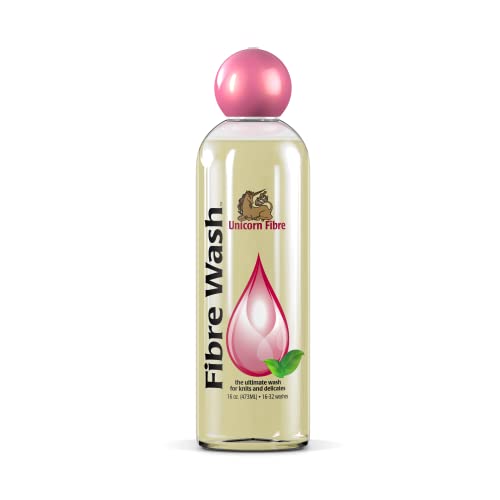
Unicorn Fibre Wash is a powerhouse for those of us who process our own fiber from raw fleece to finished yarn. It’s specifically engineered to cut through grease and dirt without stripping the fiber of its essential properties.
While most knitters won’t need this for a finished sweater, it is indispensable if you are spinning your own wool. It leaves the fiber clean, bouncy, and ready for the spinning wheel.
It’s also an excellent choice for washing heavy-duty wool blankets or rugs that have accumulated significant grime. The bottom line: This is a specialized tool for fiber prep and heavy-duty cleaning, not necessarily your daily sweater wash.
Twig & Horn Wool Soap: Best for Hand Knits
Twig & Horn is crafted with the knitter in mind, focusing on simplicity and effectiveness. It’s a straightforward soap that cleans effectively without adding unnecessary chemicals or heavy perfumes.
I find this soap particularly good for hand-knits because it doesn’t leave the yarn feeling "slippery" or overly coated. It respects the natural hand and drape of the fabric, which is crucial if you’ve spent time perfecting your gauge.
It’s an honest, no-nonsense product that aligns perfectly with the slow-fashion ethos of knitting. The bottom line: If you prefer a minimalist approach to care, this is your go-to soap.
Ecos Hypoallergenic Detergent: Best Budget

Ecos is a fantastic, accessible option that you can often find at local grocery stores. It’s pH-neutral and free of harsh dyes or optical brighteners, making it safe for wool and other natural fibers.
While it isn’t specifically marketed as a "wool wash," its gentle formula performs remarkably well on protein fibers. It’s an excellent budget-friendly choice if you have a large family wardrobe to wash and don’t want to buy a dozen different specialty bottles.
Just be sure to use a very small amount, as standard detergents can be more concentrated than specialized wool washes. The bottom line: A reliable, cost-effective solution for the knitter who wants to keep things simple and affordable.
Understanding Why Wool Needs Specialized Soap
Wool is a protein fiber with a structure similar to human hair, featuring microscopic scales that can be damaged by harsh chemicals. Standard laundry detergents are often alkaline, which can cause these scales to swell and lock together, leading to the dreaded "felting" or shrinking of your garment.
Specialized wool washes are formulated to be pH-neutral, which keeps the scales lying flat and the fiber smooth. They also often contain lanolin, which replaces the natural oils that are stripped away during the cleaning process, keeping the wool soft and elastic.
Avoid using dish soap or standard "all-purpose" detergents at all costs. These are designed to strip grease and will leave your wool feeling brittle, dry, and prone to breaking.
How to Properly Soak and Block Your Garments
To wash your knits, fill a basin with lukewarm water and a small amount of your chosen wool wash. Submerge the garment gently, pressing it down to ensure the water penetrates the fibers, and let it soak for 15 to 20 minutes.
Never wring or twist your wet wool, as this stretches the stitches and can cause permanent distortion. Instead, lay the garment flat on a clean, dry towel and roll it up like a burrito to gently squeeze out the excess moisture.
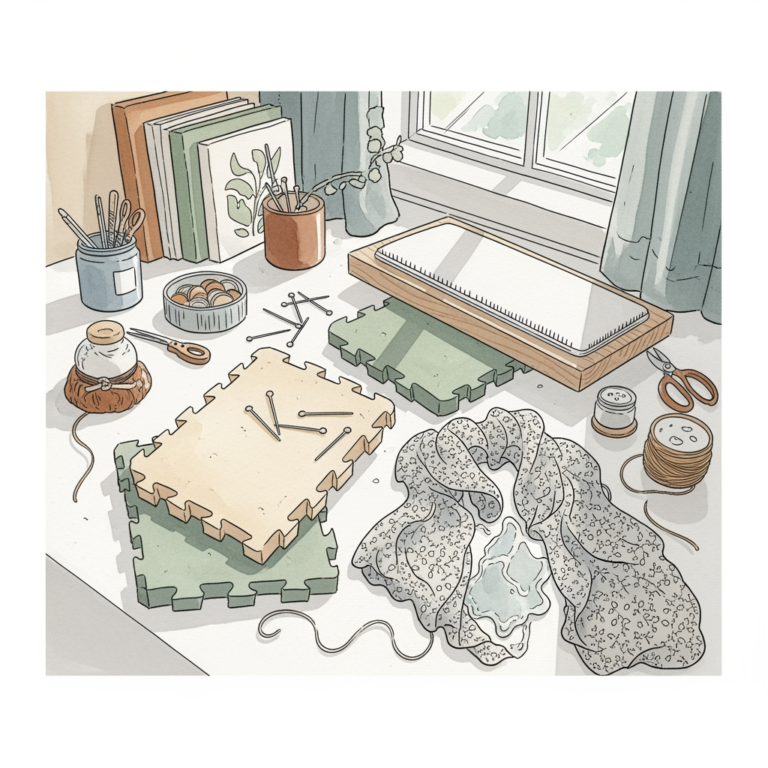
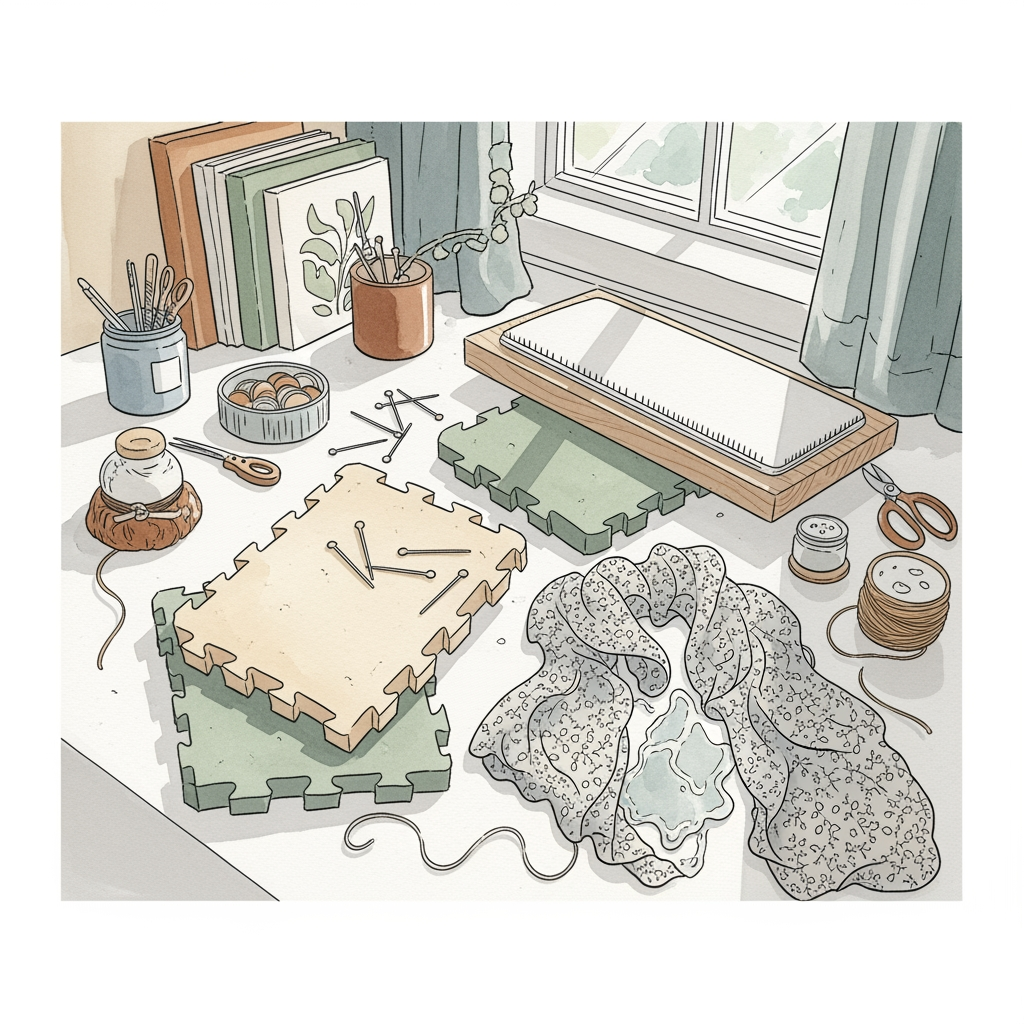
Finally, move the garment to a blocking mat or a flat surface, shaping it to your desired dimensions. Use rust-proof pins to hold the edges in place until the piece is completely dry.
Essential Tips for Extending Your Wool Lifespan
- Wash less, air more: Wool is naturally antimicrobial and odor-resistant; often, hanging a sweater in fresh air is enough to refresh it.
- Spot clean when possible: Don’t soak the entire garment if only the cuff is stained; use a damp cloth and a tiny drop of soap to treat the area.
- Store with care: Always fold your wool sweaters rather than hanging them, as gravity will cause the shoulders to stretch and lose their shape over time.
- Protect from moths: Use cedar or lavender sachets in your storage drawers to keep pests away from your natural fibers.
Caring for your hand-knits is a final, vital step in the creative process that ensures your hard work stands the test of time. By choosing the right wash and treating your garments with the respect they deserve, you preserve the life of the fiber and the love you poured into every stitch. May your blocking boards always be full and your woolens remain as soft as the day they were cast off.