7 Best Scales for Weighing Yarn Leftovers for Stashers
Need to track your yarn stash? We compare 7 precision scales perfect for weighing leftovers accurately, ensuring you never run out of yarn mid-project again.
Every knitter knows the sinking feeling of playing "yarn chicken" on the final few rows of a sleeve or heel flap. Having a reliable scale in your knitting kit transforms your stash from a chaotic pile of mystery balls into a precise inventory of usable yardage. These seven scales offer the accuracy needed to calculate exactly how much fiber you have left to work with. Choosing the right one depends on your space, budget, and how often you find yourself weighing tiny scraps versus full skeins.
My Weigh iBalance 101: Best Overall Precision


When you are working with expensive hand-dyed cashmere or delicate lace-weight silk, every fraction of a gram counts. The My Weigh iBalance 101 is a laboratory-grade tool that offers the kind of precision most kitchen scales simply cannot match. It provides a level of consistency that ensures your math is never off when you are calculating yardage based on weight.
This scale is particularly useful for those who frequently weigh small amounts of yarn for colorwork charts or intarsia projects. Because it measures in very small increments, you can confidently determine if a 5-gram remnant is enough to finish a thumb gusset. It is a bit more of an investment, but for the serious stash-keeper, it is the gold standard.
The trade-off here is the footprint and the price point. It isn’t a portable scale you’ll want to toss in your project bag for a knit night, but its performance on your craft table is unmatched. If your goal is professional-level inventory tracking, this is the tool to choose.
Etekcity Digital Kitchen Scale: The Best Value

The Etekcity scale is the workhorse of the knitting world, found in the homes of thousands of makers for good reason. It is straightforward, incredibly affordable, and gets the job done without any unnecessary bells or whistles. If you just need to know if you have enough yarn to finish a hat brim, this is your best friend.
Its wide surface area makes it easy to balance a large, unruly cake of bulky wool without it tipping over. The tare function—which allows you to reset the scale to zero after placing a container on it—is snappy and responsive. This is vital when you are weighing yarn inside a project bag or a small bowl to keep your workspace tidy.
While it lacks the hyper-precision of a laboratory scale, it is more than accurate enough for standard worsted or DK weight projects. Don’t overthink this purchase; for most knitters, this scale provides the perfect balance of utility and price.
Ozeri Pronto Digital Scale: Best for Portability

If you are the type of knitter who takes your stash management on the road, the Ozeri Pronto is an excellent choice. It is slim, lightweight, and fits easily into the side pocket of a large tote bag. You can take it to a yarn swap or a retreat to verify the weight of a trade before committing to a swap.
The design is sleek, but more importantly, it is durable enough to survive being moved around. The buttons are tactile and easy to press, even if your hands are a bit tired after a long day of cabling. It also features a quick-unit conversion button, which is helpful if you are working from patterns that list weight in both grams and ounces.
Keep in mind that its smaller size means very large, loose hanks of bulky yarn might obscure the display screen. If you mostly work with standard-sized cakes or balls, this is a non-issue. It is a fantastic, reliable tool that won’t take up precious real estate in your knitting room.
American Weigh Scales Blade: Best Pocket Option
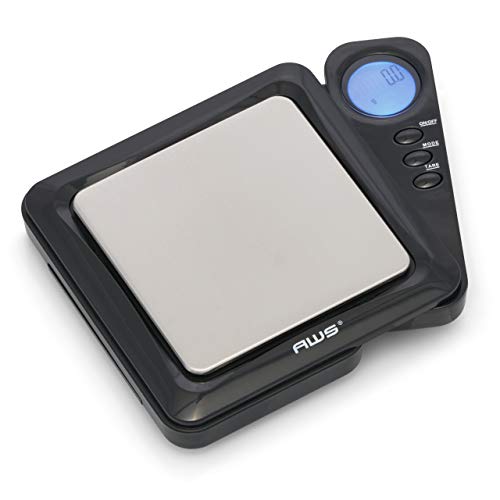
The Blade scale is designed to look like a pocket knife, making it the ultimate tool for the "stealth" stash-keeper. It is small enough to fit in your notions pouch alongside your tapestry needles and stitch markers. If you are shopping for vintage yarn at an estate sale, this is the tool you want in your pocket.
Because it is so compact, it is best suited for weighing small amounts of lace or fingering weight yarn. Trying to weigh a 200-gram sweater quantity on this would be cumbersome and unstable. However, for checking the weight of a leftover mini-skein, it is incredibly convenient.
Just remember that because it is so small, it is easy to misplace. Treat it like your favorite pair of snips—keep it in a dedicated spot in your kit so it doesn’t vanish into the bottom of your yarn stash. It is a niche tool, but for specific needs, it is indispensable.
Escali Primo Digital Scale: Best the Reliable Classic
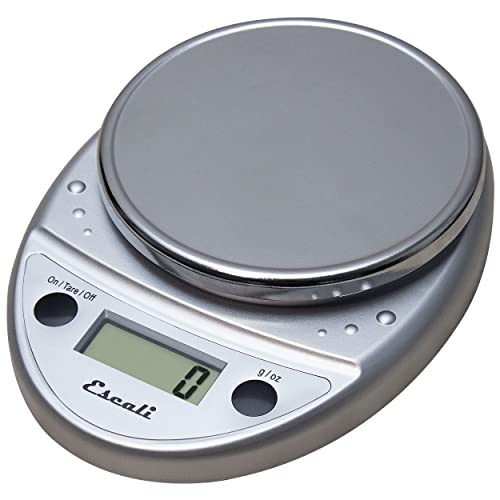
The Escali Primo is legendary in the crafting community for its longevity and ruggedness. It is often the first scale a new knitter buys, and it is frequently the only one they ever need to own. It features a simple, two-button operation that is impossible to mess up, even when you are mid-row and distracted.
The design is slightly raised, which helps protect the internal components from the occasional spill of tea or coffee. It is also surprisingly accurate for its size, handling everything from a single sock-yarn remnant to a full sweater quantity with ease. It’s the "Toyota Corolla" of scales—unflashy, reliable, and always ready to work.
If you prefer a tool that you can set on your desk and forget about for years, this is the one. It doesn’t have fancy connectivity or ultra-modern aesthetics, but it will never let you down. It is a solid, honest tool for a solid, honest craft.
GreaterGoods Digital Scale: Best User Interface

Sometimes you just want a scale that is easy to read and intuitive to use. The GreaterGoods scale features a large, backlit display that is easy on the eyes, especially in lower lighting conditions. If you are knitting in the evening with a lamp, you won’t have to squint to see your grams.
The interface is clean and uncluttered, which is a nice change of pace from overly complicated digital tools. It responds quickly to changes in weight, so you aren’t waiting for the numbers to settle while you are trying to wind a ball. It also has a very low profile, making it easy to store flat on a shelf between your yarn bins.
If you struggle with small, hard-to-read screens, this is the best ergonomic choice for you. It simplifies the process of stash-tracking so you can spend more time knitting and less time fiddling with equipment. It is a thoughtful design that respects the user’s experience.
Weighmax Digital Postal Scale: Best Large Base
If you frequently weigh large quantities of yarn—like entire sweater quantities or multiple skeins at once—a postal scale is a smart move. The Weighmax has a wide, flat base that accommodates large containers or even a full bin of yarn. This is perfect for when you are doing a deep-clean inventory of your stash.
Because it is designed for mail, it is built to be sturdy and stable. You won’t have to worry about your yarn pile sliding off the edge or the scale tipping under the weight of a heavy wool project. It is a heavy-duty option that provides peace of mind when weighing high-value fiber.
While it might be overkill for someone who only knits socks, it is a game-changer for someone with a large, diverse stash. It is the most robust option on this list, built for volume and consistency. If your yarn collection has grown to fill a closet, this scale will help you keep it under control.
Why Accurate Gram Scales Matter for Stashers
Knowing the exact weight of your yarn is the only way to accurately calculate the remaining yardage. Most yarn labels provide a weight-to-yardage ratio, which you can use as a conversion factor once you weigh your leftovers. Without a scale, you are essentially guessing, which is a recipe for heartbreak when you run out of yarn mid-project.
- Colorwork: Ensure you have enough of your contrast color for the final motifs.
- Socks: Weigh your yarn before and after the first sock to ensure you have enough for the second.
- Swatching: Weigh your swatch before and after washing to see how much yarn is consumed by different stitch patterns.
- Inventory: Track your stash depreciation to see which fibers you use most often.
Misconceptions often arise about using kitchen scales for yarn, with some believing they aren’t "accurate enough." In reality, for knitting purposes, a standard digital scale is more than sufficient. You don’t need pharmaceutical precision; you need a consistent baseline to make informed decisions about your project requirements.
How to Calibrate Your Scale for Yarn Accuracy
Even the best scales can drift over time, losing their pinpoint accuracy. Calibration is a simple process that usually involves using a known weight—often provided with the scale or available as a standard household item like a nickel. Check your manual, as most manufacturers have a specific "calibration mode" button sequence.
If your scale doesn’t have a formal calibration mode, you can perform a "check-up" by weighing a consistent, known object. If you weigh a standard US nickel and it doesn’t show 5.0 grams, you know your scale is off by a certain margin. Keep a note of this offset and adjust your math accordingly.
Always place your scale on a hard, level surface—never on a carpet or a soft cushion. An uneven surface will throw off the sensor and lead to inconsistent readings. Taking these few seconds to ensure your tool is accurate will save you hours of frustration later.
Essential Tips for Managing Your Yarn Leftovers
The secret to a manageable stash is treating your leftovers with the same care as your full skeins. Always wind your leftovers into neat cakes or balls immediately after finishing a project. A tangled mess of yarn is effectively "lost" yarn because you will be too frustrated to ever use it.
Labeling is your best friend when it comes to stash management. Use small tags or masking tape to note the fiber content, weight, and yardage of each remnant. If you aren’t sure of the fiber, perform a small burn test to distinguish between natural animal fibers, plant fibers, and synthetics.
Finally, don’t be afraid to combine leftovers into "scrap projects" like scrappy socks, cowls, or blankets. By weighing your leftovers, you can group them by weight and find patterns that fit your available yardage. A well-managed stash is an invitation to creativity, not just a storage burden.
Investing in a quality scale is one of the most practical steps you can take to elevate your knitting practice. Whether you choose a compact pocket scale or a robust postal base, the data you gather will save you from the frustration of mid-project shortages. Treat your stash with precision, and you will find yourself knitting with more confidence and less anxiety. Happy weighing, and may your yarn chicken games always end in your favor.