6 Organic Beeswax Salves For Healing Cracks That Work
Soothe dry, painful skin with our top 6 organic beeswax salves for healing cracks. Discover these effective natural remedies and restore your skin health today.
Constant friction against rough wool or tight tension on metal needles can leave hands raw and cracked. These fissures not only cause discomfort but can snag delicate luxury fibers like silk or alpaca. Finding an effective organic beeswax salve is a practical necessity for maintaining the soft touch needed for high-quality craft. This guide highlights six reliable options tailored to the specific needs of fiber artists.
Badger Balm for Hardworking Hands: A Knitter’s Go-To
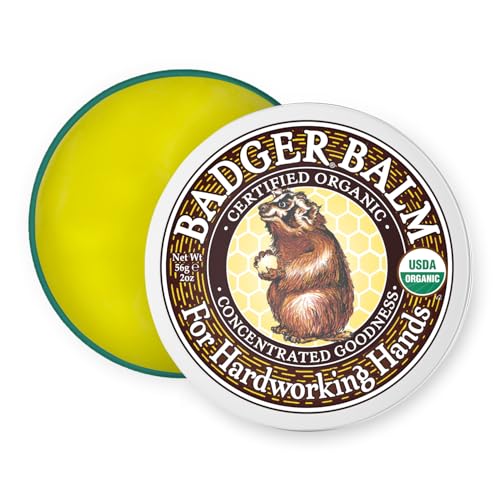

This tin is a staple in many project bags for a reason. It uses extra virgin olive oil and beeswax to create a heavy-duty barrier that holds up well against the drying effects of raw sheep’s wool.
If the skin on the fingertips is prone to splitting from hours of repetitive motion, this dense formula provides long-lasting protection. It does have a distinct, herbal scent that lingers, which may be a consideration if working with delicate, absorbent fibers that easily take on odors.
For those pulling through long lengths of rustic, high-twist yarn that tends to strip natural oils from the skin, this is a heavy-hitting choice. It is best applied at the end of a long knitting session rather than right before picking up the needles.
Burt’s Bees Hand Salve: Best Budget-Friendly Pick

Accessibility is the main advantage here, as this salve can be found in almost any pharmacy. It relies on a blend of sweet almond oil and beeswax to soften calloused areas without a massive financial investment.
It performs well for knitters who need a quick touch-up during a long commute or a guild meeting. However, it is slightly thinner than specialty balms, meaning it may need more frequent reapplication if working with highly abrasive textures like jute or mohair.
The texture is reliable and predictable, making it a safe starting point for someone who has not yet identified their specific sensitivities. It balances moisture and absorption well enough that it won’t leave fingers sliding off the needles.
Joshua Tree Salve: Top Choice for Painful Cracks

When a crack near the cuticle becomes so deep that it interferes with needle manipulation, a more therapeutic approach is required. This salve is formulated with healing herbs specifically designed to repair broken skin quickly.
It is particularly useful for knitters who work with cotton or linen—fibers that offer no “give” and can be unforgiving on skin that has already lost its integrity. The infusion of plant-based ingredients helps close fissures faster than simple wax-based barriers.
Because it focuses on repair, it is an excellent tool to keep on the nightstand for overnight recovery. Use it when the hands need a concentrated healing period after finishing a particularly grueling project.
Motherlove Green Salve: For Extra Sensitive Skin
Many fiber artists find their skin reacts poorly to the synthetic fragrances found in mass-market lotions. This salve is crafted with minimal, organic ingredients, making it an ideal choice for those who suffer from contact dermatitis.
The formula is incredibly gentle and relies on plantain and yarrow, herbs known for soothing inflammation. If the skin is red and irritated from the friction of knitting colorwork with multiple tensioned strands, this provides immediate relief.
It lacks the heavy waxy feel of other products, which makes it less likely to trigger a skin reaction during long-term use. It is a highly specialized, clean option that prioritizes the health of the skin barrier over scent or shine.
Skincando Combat Balm: Non-Greasy & Fast-Absorbing
Nothing is more frustrating than needing to moisturize and then waiting twenty minutes for the hands to dry before touching a precious skein of cashmere. This balm is engineered to absorb rapidly, leaving the skin supple without leaving a slick, oily film.
It utilizes an organic beeswax base that provides enough protection to keep hands from drying out without compromising grip. The non-greasy finish is a game-changer when switching between knitting, blocking, and weaving in ends.
The absorption speed makes it a superior option for the knitter who keeps a small tin right at their workstation. Apply a small amount, rub it in thoroughly, and the hands are ready to handle fine lace weight yarns almost immediately.
Papatui Repairing Balm: Scent-Free for Fiber Work
Fragrances in skin products can occasionally migrate into high-end fibers, affecting the final quality of a finished garment. This scent-free balm ensures that the only thing lingering on the project is the natural aroma of the wool itself.
It offers a clean, no-nonsense approach to skin repair that focuses strictly on hydration and barrier function. It is a perfect choice for knitters who are sensitive to smells or who want to keep their materials as neutral as possible.
The consistency is robust enough to handle the wear and tear of a complicated cabling project without feeling heavy. It acts as a invisible shield, allowing for hours of knitting without the skin feeling tight or dry.
How to Pick the Right Beeswax Salve for Your Skin
Selecting the right salve depends largely on the local climate and the fiber being used. Dry, cold winters often require a thicker, wax-heavy salve to lock in moisture, while humid, warm months may call for a lighter, oil-forward formula.
Look at the ingredients list for the primary carrier oils. Olive and coconut oils offer deeper penetration, while beeswax provides a necessary seal to prevent moisture loss from dry indoor heating.
Consider the “tackiness” of the product. Test a small amount on the back of the hand; if the skin remains sticky after five minutes, it will likely compromise the tension of the yarn and should be reserved for evening use.
Applying Salve Without Staining Your Precious Yarn
Applying salve incorrectly is the fastest way to ruin a pristine, light-colored wool project. Always focus the application on the pads of the fingers, the cuticles, and the backs of the hands, avoiding the palms as much as possible.
Before picking up the knitting needles, gently dab the hands with a clean cloth or wait until the salve is fully absorbed. Even a small amount of residue can attract dust or lint to the yarn, which is nearly impossible to remove from intricate patterns.
For deep conditioning, apply a generous layer before bed and wear thin cotton gloves. This allows the skin to heal overnight, ensuring hands are clean and ready to handle fiber first thing in the morning.
Key Ingredients to Look For in an Organic Salve
Organic beeswax is the gold standard because it is a natural humectant that draws moisture into the skin while protecting it from external elements. Seek out salves that list it as the first or second ingredient.
Complementary ingredients like shea butter or jojoba oil add elasticity to the skin, which is vital when repetitive motion stresses the joints and cuticle beds. Botanical extracts like chamomile or calendula serve as anti-inflammatory agents to reduce redness.
Avoid any product that lists “parabens,” “petrolatum,” or “synthetic fragrance.” These can cause long-term dryness or skin irritation, which is counterproductive to the goal of maintaining healthy, supple hands.
Salve vs. Lotion: What’s Best for a Knitter’s Hands?
Lotion is primarily water-based and evaporates quickly, often providing only temporary relief that does not stand up to the friction of knitting. It rarely provides the protective barrier needed to prevent skin from cracking in the first place.
Salves, being water-free and beeswax-based, create a protective shield that lasts through hours of knitting. They are far more concentrated, meaning a small tin goes much further than a large bottle of water-heavy lotion.
If the goal is long-term hand health and the prevention of snags and tears, a salve is the superior investment. Save the lotion for the body and keep the concentrated salve strictly for the hands.
Maintaining your hands is just as important as maintaining your tools. By choosing the right organic beeswax salve, you ensure that your hands remain soft, healthy, and ready for your next project.