6 Best Finger Protectors For Wire Wrapping To Use
Stop sore fingers while crafting! Discover the 6 best finger protectors for wire wrapping to work comfortably for hours. Read our expert guide and shop today.
Wire wrapping requires a level of dexterity and sustained finger pressure that mimics the repetitive stress of complex lace work or tight colorwork. When fine-gauge metal wires cut into skin, tension consistency inevitably suffers, leading to uneven loops and fatigue. Investing in finger protection is not a sign of weakness, but a professional adjustment to maintain precision over long hours of work. Choosing the right shield can mean the difference between a clean, professional finish and distorted, overworked wire.
Beadsmith’s Finger-It Caddy: Best for Grip
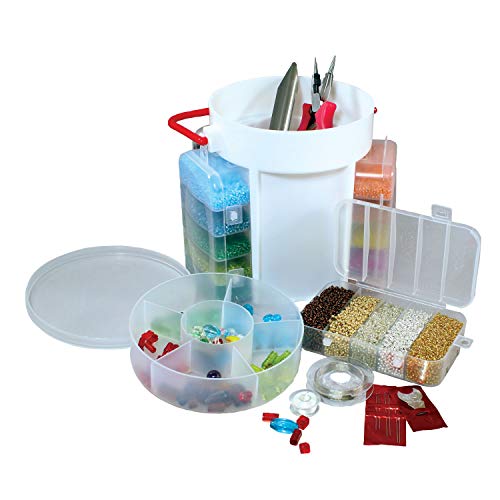

The Finger-It Caddy excels when precision placement is required, particularly for delicate loops that slip easily under standard metal pliers. Its rubberized surface provides a unique level of tackiness, allowing for a firm hold on both thin copper wire and polished silver wire without the need for excessive crushing force.
For the artisan working on intricate filigree or delicate sculptural elements, this grip prevents the wire from sliding prematurely. Unlike slick metal thimbles, it acts as a stabilizing point where the thumb or index finger meets the wire.
The primary tradeoff lies in its surface texture, which can attract dust and fiber lint over time. Keep it clean with a damp cloth to ensure the grip remains consistent throughout a long session.
Leather Thimble Pads: Top Choice for Pushing

Leather thimble pads offer the most natural tactile feedback, essential when the goal is to feel the wire’s resistance without enduring its sharpness. These are ideal for maneuvers where a piece of wire must be tucked tightly against a frame or bent around a mandrel.
Because they are breathable and flexible, leather pads conform to the shape of the fingertip over time, unlike rigid silicone alternatives. They provide a barrier that is thin enough to maintain fine motor control, yet thick enough to stop wire-induced skin irritation.
Avoid opting for overly thick, stiff leather, as this can impede the ability to perform detailed, small-scale work. Soft, high-quality sheepskin or cowhide versions are best for long-term comfort.
Gorilla Tips Fingertip Protectors: Most Durable

Originally designed for guitarists, these silicone tips are remarkably resilient against the sharp ends of cut wire. They are particularly useful when using heavier gauge wire that creates significant pressure on the pads of the fingers during winding.
Because they are molded into a rigid shape, they provide a consistent, uniform barrier. They do not lose their integrity when exposed to the oils in the skin or the friction of constant metal rubbing.
However, the rigidity can feel restrictive compared to thinner options. Use these for heavy-duty, structural wire projects where protection is the priority and extreme fine motor sensitivity is less critical.
VViViD Armor Wrap Guard Tape: Best Versatility
Sometimes, the best protection is the kind that customizes itself to the specific anatomy of the hand. This self-adhering tape allows for targeted application exactly where the wire habitually digs in during the wrapping process.
It is an excellent solution for those who find traditional finger caps too bulky or prone to sliding off during intricate movements. The tape adheres only to itself, leaving no sticky residue on the skin or the wire project.
Because it is thin, it can be layered to increase protection as the difficulty or gauge of the wire increases. It is the most adaptable choice for artisans who switch between different wire thicknesses in a single project.
Dowellife Cut Resistant Finger Cots: For Safety
Wire wrapping, especially when working with tempered metals, can result in surprisingly deep nicks and abrasions. These cut-resistant cots are constructed from high-performance fibers that offer a level of protection far beyond standard fabric or silicone.
They are particularly beneficial for beginners who are still developing the muscle memory required for safe wire handling. The material is breathable, which helps prevent the clammy sensation often associated with wearing rubber or silicone for extended periods.
While highly protective, they can be slightly thicker than other options, which may reduce the sense of touch. Use them as a primary safety layer when working with hard metals or wire that has sharp, freshly cut edges.
Aunt Becky’s Finger Protectors: Crafter Favorite

Aunt Becky’s protectors have earned a reputation for their ergonomic fit and reliable performance. They offer a balanced compromise between the protection of thicker silicone and the flexibility of lighter materials.
These are often favored for their ability to stay in place during repetitive, rhythmic wrapping motions. Their design is specifically contoured to prevent them from slipping off during the nuanced back-and-forth tension required for professional-grade wire art.
They represent a reliable middle ground for most wire wrappers. If the search for a perfect fit has proven frustrating, this is the most common starting point for finding long-term comfort.
How to Choose the Right Protector for Your Project
Selecting the right tool requires an honest assessment of both the project requirements and personal knitting habits. If the work involves heavy, stiff gauge wire, prioritize durability and thicker protection like silicone or cut-resistant materials.
Conversely, fine wire work requires sensitivity. In these cases, thin leather or self-adhering tape is superior because it maintains the tactile connection to the wire.
Always consider the duration of the work. If the project requires hours of continuous wrapping, prioritize breathability and fit to prevent skin irritation and perspiration.
Leather vs. Silicone: Which Material is Best?
Leather is the clear winner for those who prioritize a “second skin” feeling. It breathes well, prevents moisture buildup, and eventually molds perfectly to the user’s fingertip shape.
Silicone, by contrast, is superior for durability and grip. It is essentially impervious to the sharpness of wire and provides a high-friction surface that makes it easier to manipulate wire without slippage.
Choose leather for precision and comfort, and silicone for grip and heavy-duty, long-term protection. Neither is objectively superior; it is entirely a matter of balancing dexterity against physical endurance.
Getting the Perfect Fit for All-Day Comfort
A finger protector that is too loose will inevitably slide off during the most delicate part of a wrap, causing frustration. Conversely, one that is too tight can restrict blood flow, leading to numbness and increased fatigue over time.
Measure the circumference of the intended finger to ensure a snug, but non-constricting, fit. Many products offer sizing guides; always err on the side of a tighter fit for silicone, as it may stretch slightly over time.
For tape-based solutions, ensure there is enough overlap to keep the material secure without creating a bulky lump. A well-fitted protector should feel like an extension of the finger, not an accessory that needs constant adjustment.
Do You Really Need Finger Protectors for Wire?
While it is possible to wire wrap without protection, the skin on the fingertips is surprisingly delicate. Chronic exposure to sharp wire leads to callus buildup, micro-cuts, and nerve fatigue that can decrease the speed and quality of the work.
Professional results require consistent tension, which is difficult to maintain when the fingers are sore or injured. Using a protector is a strategic choice that preserves the artisan’s ability to work for years to come.
Ultimately, the best tool is the one that disappears into the background of the work. If the protector allows for longer, more comfortable sessions with higher precision, it is a necessary investment.
Whether choosing a specialized silicone tip or a simple leather pad, the priority remains the same: protecting the hands to sustain the craft. By selecting the right tool for the specific wire gauge and project type, you ensure that fatigue never compromises the quality of your work. Always prioritize comfort and precision, and you will find that these tools are as essential as the pliers themselves.