6 Best Blending Boards For Small Batch Projects
Discover the 6 best blending boards for small-batch fiber projects. This guide compares top models to help you achieve perfect color gradients and textures.
Blending boards are the secret weapon for any spinner or knitter looking to create custom colorways and unique fiber textures. Whether you are blending silk into merino for a subtle sheen or mixing coarse wool for sturdy socks, these tools offer precision that drum carders simply cannot match for small batches. Choosing the right board is about matching the carding cloth density to your specific fiber goals. This guide breaks down the top options to help you find the perfect partner for your creative fiber journey.


Strauch Petite Blending Board: Best Overall Choice
The Strauch Petite is the gold standard for those who value precision engineering and a compact footprint. Its smaller size is deceptive; it handles fiber with the same smooth, consistent action as the brand’s famous full-sized drum carders.
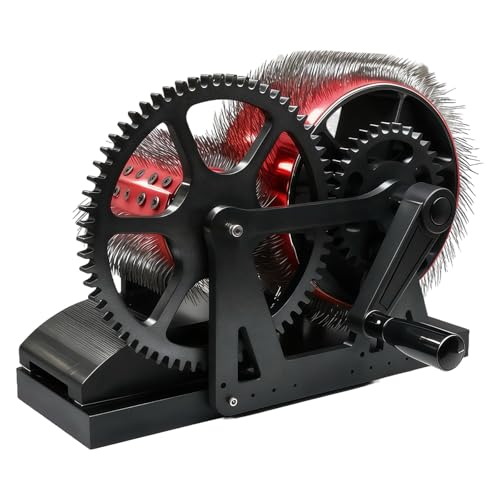
The primary advantage here is the quality of the carding cloth, which is gentle enough for delicate luxury fibers like angora or cashmere. If you find yourself frequently blending small, expensive samples for a special colorwork project, this board ensures you lose almost no fiber to waste.
Keep in mind that while the Petite is excellent for portability, it does require a steady surface. If you are prone to aggressive carding techniques, consider using a non-slip mat underneath to keep it from sliding during your blending sessions.
Ashford Blending Board: The Industry Standard

If you walk into any fiber arts studio, you are likely to see an Ashford board sitting on the table. It is the reliable workhorse of the industry, offering a straightforward, no-nonsense design that gets the job done every single time.
The board features a generous surface area that allows you to create larger batts than most other portable boards. This makes it a fantastic choice if you are spinning for a sweater project and need to ensure your color transitions remain consistent across multiple batts.
One common misconception is that "standard" means "basic," but the Ashford’s simplicity is its greatest strength. It is built to last for decades, and because parts are widely available, it is an investment that will grow with your skills.
Woolery Handcrafted Board: Best Premium Option
The Woolery board is for the maker who appreciates the tactile joy of high-quality craftsmanship. These boards are often made with beautiful hardwoods that feel as good as they look, turning a standard prep task into a ritual.
Beyond the aesthetics, the functionality is top-tier, often featuring ergonomic adjustments that reduce wrist strain during long sessions. If you suffer from repetitive stress injuries while knitting or spinning, the thoughtful geometry of this board can be a game-changer.
While the price point is higher, you are paying for durability and a superior finish that won’t snag your delicate fibers. It is a tool designed for the long haul, perfect for the dedicated fiber artist who spends hours at the bench.
Majacraft Fusion Board: Best for Versatility
Majacraft has a reputation for innovation, and their Fusion board lives up to that legacy with a modular approach. It is designed to work seamlessly with their ecosystem of tools, allowing for unique adjustments that other boards simply don’t offer.
The standout feature is the ability to adjust the tension and angle of the cloth, which helps when working with fibers of varying staple lengths. Whether you are blending short-staple cotton or long-staple mohair, this board adapts to your needs.
This is the best choice for the experimental spinner who loves to push boundaries. If you enjoy creating "art batts" with inclusions like sparkles, locks, or silk scraps, the flexibility of the Fusion board will keep your creative flow uninterrupted.
Brother Drum Carder Board: Best Budget Pick

You don’t need to spend a fortune to get professional results, and the Brother board proves that point. It provides a solid, functional surface that is perfect for those just starting to explore the world of hand-blending.
It lacks some of the bells and whistles of the premium boards, but the carding cloth is effective and durable. For a beginner learning how to manage fiber density and color distribution, this is an ideal entry point that won’t break the bank.
Be aware that the finish might be a bit simpler, so handle it with care to avoid splinters. It is a fantastic "first board" that will teach you the fundamentals of fiber preparation without the pressure of a high-end investment.
Hilltop Cloud Blending Board: Best for Detail
When your project requires extreme color precision—like a gradient shawl or a specific stranded colorwork palette—the Hilltop Cloud board shines. It is designed by people who understand the nuance of color theory and fiber structure.
The cloth density is specifically calibrated to hold onto fiber securely, allowing you to "paint" with your wool. This is essential when you are trying to create subtle transitions or distinct streaks of color that you want to remain visible once spun.
Because it is so effective at gripping the fiber, you will find you need less physical pressure to create a smooth, even batt. This makes it perfect for those who want to focus on the artistic side of blending rather than the physical exertion.
Why You Need a Blending Board for Fiber Arts
A blending board is essentially a stationary, flat carder that allows you to mix fibers, colors, and textures in a controlled manner. While you can use hand cards, a board gives you a much larger surface to create a single, cohesive batt.
This is crucial for knitters who want to achieve a specific "heathered" look in their yarn. By blending different shades of wool on the board, you can create a depth of color that is impossible to find in commercially dyed, single-color yarn.
Furthermore, it allows for the integration of non-wool fibers. If you want to add a touch of silk for drape or nylon for strength, the board ensures these fibers are thoroughly and evenly distributed throughout your batt before you reach for your spinning wheel.
Understanding TPI: Carding Cloth Density Explained
TPI stands for "teeth per inch," and it is the most critical technical specification when choosing a board. A higher TPI means the teeth are packed more closely together, which is ideal for fine, short-staple fibers like merino or alpaca.
- Low TPI (e.g., 48-54): Best for coarse wools and long-staple fibers that might get stuck in finer cloth.
- High TPI (e.g., 72-120): Essential for fine, delicate, or slippery fibers that require more grip to stay on the board.
If you choose a board with a TPI that is too high for coarse wool, you will find it difficult to remove your batt. Conversely, a TPI that is too low for fine fiber will result in a messy, uneven blend that sheds constantly.
Essential Tips for Achieving Smooth Fiber Batts
The secret to a perfect batt is "thin layers." Instead of trying to put all your fiber on at once, build it up in light, airy passes. This prevents the teeth from becoming overloaded and makes the final removal process much easier.
Use your blending brush (or a clean, stiff hairbrush) to gently press the fiber into the teeth as you go. This ensures that every layer is captured, preventing the "fluffing" that leads to inconsistent yarn thickness later.
When it is time to remove the batt, use your dowel rod to roll it off slowly. Start at the top and work your way down, maintaining an even tension to ensure the batt stays in one piece rather than tearing apart.
How to Maintain Your Blending Board Carding Cloth
Your blending board is a precision tool that requires regular cleaning to remain effective. After every session, use a carding brush or a stiff-bristled tool to remove stray fibers that have become trapped deep in the teeth.
Avoid using water or harsh cleaning agents on the wood or the cloth, as this can cause the wood to warp or the teeth to rust. If you notice a buildup of natural oils from the wool, a gentle wipe with a dry cloth is usually sufficient.
Always store your board with a cover or in a dedicated bag to prevent dust accumulation and to protect the teeth from bending. If a tooth does get bent, use a small pair of needle-nose pliers to gently nudge it back into alignment with its neighbors.

Investing in a blending board opens up a world of creative possibilities, allowing you to design yarns that are truly one-of-a-kind. Whether you choose the precision of a Strauch or the versatility of a Majacraft, remember that your technique will improve with every batt you create. Take your time, experiment with different fiber combinations, and most importantly, enjoy the process of turning raw fiber into your own custom palette. Happy spinning and knitting, and may your batts always be smooth and your colors perfectly blended.