6 Best Fiber Pickers For Debris Removal To Try
Keep your workspace pristine with our top six fiber pickers. This guide evaluates the best tools for efficient debris removal to ensure a spotless finish.
Every knitter knows the heartbreak of pulling a beloved hand-knit sweater from the closet only to find it covered in unsightly fuzz and pilling. While pilling is a natural byproduct of fiber friction, it doesn’t have to be the permanent state of your favorite garments. With the right fiber picker, you can restore your projects to their original, crisp glory without compromising the integrity of the stitches. Here are six reliable tools to help you manage debris and keep your hand-knits looking pristine for years.
Gleener Ultimate Fuzz Remover: Best Overall Pick
The Gleener is a rare find because it abandons the motor entirely, relying on three interchangeable edges designed for different fiber weights. This manual approach gives you complete tactile feedback, which is crucial when you’re working on a precious, hand-dyed wool sweater that you’ve spent months crafting.
Because it doesn’t use blades, there is zero risk of catching a stray yarn strand and causing a catastrophic ladder in your fabric. You simply choose the edge that matches the weight of your yarn—from bulky, rustic wools to fine, delicate fingering weight—and gently sweep away the pills.
The bottom line is that the Gleener offers the most control for the serious knitter. It requires a bit more elbow grease, but the peace of mind it provides when working with expensive, luxury fibers is unmatched.
Conair Fabric Shaver: Best Budget-Friendly Tool
If you have a collection of store-bought wool-blend sweaters or mass-produced accessories that need a quick refresh, the Conair is a reliable workhorse. It features a large shaving head that covers a lot of ground, making it efficient for larger surface areas like the back of a cardigan.
The tradeoff here is the lack of precision. While it’s excellent for sturdy, high-twist yarns, you must be extremely careful near seams or intricate cable intersections where the fabric might dip and catch the blade.


Always use a light touch and keep the garment laid perfectly flat on an ironing board. If you press too hard, you risk thinning the fabric, which is the last thing you want after putting so much effort into your knitting.
Philips Fabric Shaver: Best for Delicate Fibers
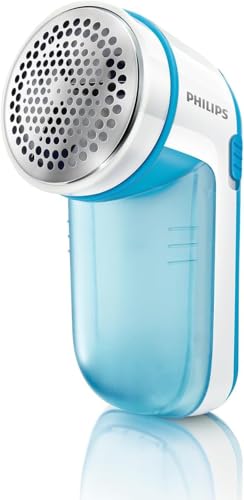
The Philips model is engineered with a specialized mesh that protects your stitches while allowing the blades to reach the pilled fibers. It’s particularly effective for those projects knit at a tight gauge, where the pills sit right on the surface of the fabric.
I recommend this tool for mohair blends or soft alpaca, where the halo of the fiber can sometimes get tangled and matted. The gentle motor speed prevents the machine from "chewing" on the delicate, fuzzy fibers that give these yarns their signature softness.
It is a more refined tool than the budget options, providing a consistent cut without the aggressive vibration. Just remember to empty the lint collector frequently, as a full bin can impede the motor’s efficiency and cause it to stutter.
Evercare Fabric Shaver: Best for Quick Touch-Ups

Sometimes you just need to clean up the cuffs of your sleeves or the underarm area where friction is highest. The Evercare is compact and user-friendly, making it the perfect tool to keep in your project bag for those quick, mid-day maintenance sessions.
It isn’t designed for heavy-duty restoration of an entire blanket, but it excels at targeting specific problem areas. The ergonomic handle makes it easy to maneuver around the curves of a sleeve or the neckband of a jumper.
It’s an excellent entry-level choice if you are nervous about using electric tools on your knitting. Practice on a swatch first to get a feel for how the blade interacts with your specific fiber content.
Remington Fuzz-Away: Best Portable Travel Option
When you’re traveling to a knitting retreat or a fiber festival, you want a tool that won’t take up precious room in your luggage. The Remington Fuzz-Away is small, battery-operated, and surprisingly sturdy for its size.
It’s perfect for freshening up your "travel knitting" wardrobe on the go. Since it’s small, it doesn’t have the power of a plug-in unit, but it’s more than sufficient for removing surface lint and light pilling that accumulates during transit.
Don’t expect it to handle heavy, matted pilling on thick, rustic wools. Think of this as a maintenance tool rather than a restoration device, and you’ll be perfectly happy with its performance.
Beautural Fabric Shaver: Best for Heavy Pilling
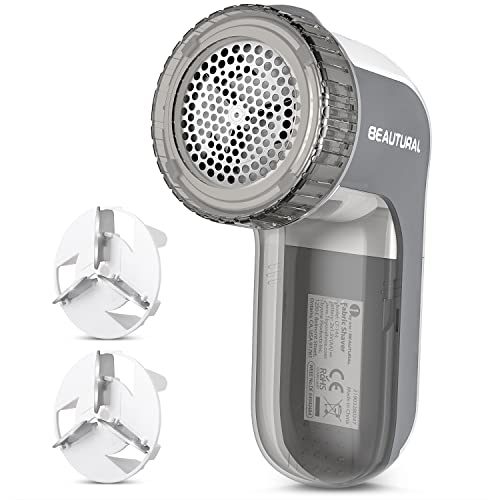
If you have a project that has seen years of heavy wear, the Beautural is your best bet for a complete overhaul. It features a powerful motor and high-quality stainless steel blades that can handle even the most stubborn, felted pills.
The adjustable height spacer is the secret weapon here. By adjusting the distance between the blade and the fabric, you can safely remove pills from chunky knits without worrying about the blade snagging a decorative stitch or a complex cable crossing.
Be mindful that this is a powerful tool. Start on the lowest setting and only increase the intensity if the pills aren’t coming off with a light pass.
How to Choose the Right Tool for Your Fiber Type
Choosing the right tool starts with understanding your yarn’s construction. A tightly plied, superwash wool can handle a more aggressive electric shaver, while a loosely spun, single-ply yarn requires the gentle touch of a manual edge.
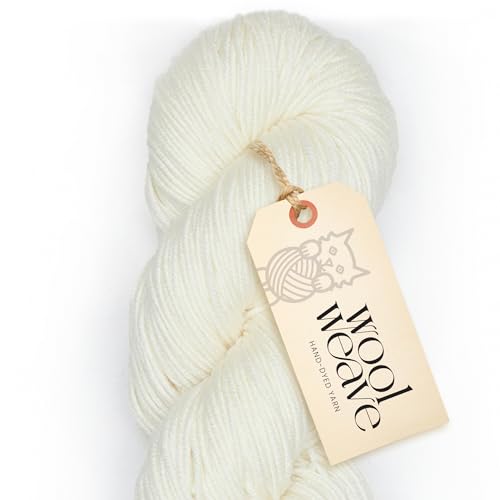
- Superwash Wool: Durable and smooth; handles electric shavers well.
- Mohair/Angora: Highly delicate; use manual tools to avoid pulling the "halo."
- Alpaca/Cashmere: Soft and prone to matting; use the lowest power setting or a manual comb.
- Acrylic Blends: Can pill heavily; a robust electric shaver is usually necessary.
Always consider the "twist" of your yarn. A high-twist yarn is less likely to pill, but if it does, it’s easier to shave. A low-twist, soft yarn is more susceptible to damage, so err on the side of caution.
Essential Tips for Safe Debris Removal on Knits
The most important rule in fiber maintenance is to work on a flat, hard surface. If the fabric is bunched up or draped over your knee, you create uneven tension, which is the primary cause of accidental snags and holes.
Always test your tool on a swatch or an inconspicuous area, like the inside hem of a sweater. This allows you to see how the tool interacts with your specific gauge and fiber density before you commit to the front of the garment.
Finally, work in small, circular motions rather than long, aggressive swipes. This prevents the tool from creating "tracks" in your fabric and ensures an even, professional finish across the entire piece.
Manual vs. Electric: Choosing Your Fiber Picker
Manual tools offer the benefit of complete control and zero risk of motor failure or blade snagging. They are ideal for the perfectionist knitter who wants to treat their hand-knits with the same care they used to stitch them.
Electric shavers are undeniable time-savers, especially for those who knit large-scale garments like sweaters or blankets. They are essential for heavy-duty pilling but require a steady hand and a bit of "knitting intuition" to use safely.
If you are just starting out, I recommend keeping one manual tool and one reliable electric shaver in your kit. You will find that different projects—and different stages of a garment’s life—call for different approaches.
How to Maintain Your Fabric Shaver for Longevity
A dull blade is a dangerous blade. When a blade loses its edge, it doesn’t cut the fiber cleanly; instead, it pulls and tears at the yarn, which actually encourages more pilling in the long run.
Clean the lint trap after every single use to prevent the motor from overheating. If you notice the shaver struggling or making a high-pitched whining sound, it’s a clear sign that the collector is full or the blades are clogged with fiber dust.
Replace your blades annually if you are a frequent user. Most manufacturers sell replacement heads, and swapping them out is a small investment that will keep your favorite hand-knits looking brand new for years to come.
Maintaining your hand-knits is just as important as the knitting process itself. By selecting the right tool and using it with patience and care, you can ensure your hard work stays beautiful for a lifetime. Remember that every fiber behaves differently, so take your time and listen to what your fabric needs. With these tools in your kit, you’ll be well-equipped to handle any pilling that comes your way.