6 Best Silicone Mats For Heat-Resistant Blocking
Discover the 6 best silicone mats for heat-resistant blocking. Our guide highlights top picks that ensure precision, durability, and safety for your projects.
Blocking is the final, transformative step that turns a collection of stitches into a professional-grade garment. While traditional foam tiles are common, silicone mats offer a superior, heat-resistant surface for those who rely on steam to set their wool. Finding the right mat ensures your lace opens perfectly and your cables pop without the risk of melting synthetic fibers. Investing in the right surface is as important as choosing the right needles for your project.
Gorilla Grip Extra Large Silicone Mat: Best Overall
This mat earns its top spot because of its sheer surface area and reliable, non-slip base. When you are blocking a full-sized adult sweater, you need a workspace that doesn’t shift under the weight of wet, heavy wool.
The texture is subtle enough that it won’t leave unwanted imprints on your fabric, which is a common frustration with cheaper, molded mats. It is thick enough to provide a stable foundation, yet flexible enough to roll up and tuck into a project bag when not in use.
For knitters who frequently work with bulky sweaters or oversized shawls, this mat offers the best coverage-to-storage ratio. It’s a workhorse that handles the rigors of pinning and steaming without complaint.
Silpat Premium Non-Stick Baking Mat: Best Durability


Originally designed for pastry work, the Silpat is a secret weapon in many fiber artists’ studios. The fiberglass core embedded in the silicone gives it an incredible structural integrity that prevents warping, even when exposed to high-heat steam.
Because it is designed for oven use, its heat threshold is far higher than standard craft mats. You can safely hold a steam iron close to the surface without worrying about the mat degrading or releasing fumes.
The downside is that it is thinner than dedicated blocking mats, so you’ll need a flat table underneath to ensure your piece blocks evenly. If you want a tool that will last for decades, this is your best investment.
KitchenAid Silicone Counter Mat: Best Heat Defense
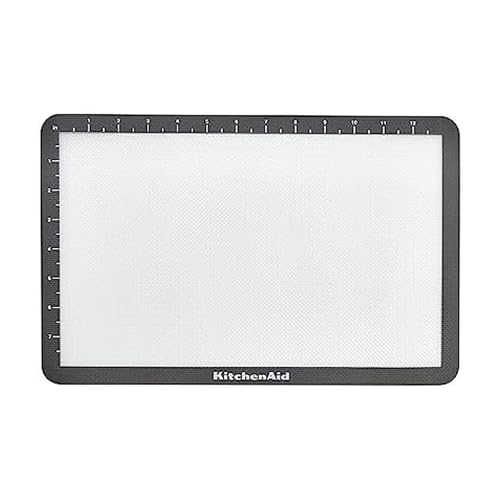
If you are a fan of aggressive steam blocking, especially with stubborn plant fibers like linen or cotton, you need a surface that can take the heat. This mat is engineered to protect kitchen countertops from hot pots, making it perfectly suited for the intense temperatures of a steam iron.
The surface is completely non-porous, meaning it won’t absorb moisture or dye from your yarn during the blocking process. This is a significant advantage when working with hand-dyed wools that might still have a bit of excess pigment.
It stays remarkably flat, providing a consistent surface for measuring your gauge. You won’t have to worry about the mat curling at the edges, which keeps your measurements precise.
Artisan Silicone Craft Mat: Best for Steam Blocking

This mat is specifically textured to allow for airflow, which is surprisingly helpful when you are steaming a project. By allowing a tiny amount of air circulation beneath the fabric, it prevents the "soggy" feeling that can happen when trapped moisture has nowhere to go.
It is particularly effective for those who use blocking wires, as the surface is firm enough to hold tension without being so hard that pins can’t penetrate. It strikes a great balance between grip and release.
If you find yourself frequently blocking lace or intricate stitch patterns, the stability of this mat will help you maintain the symmetry of your points. It’s a specialized tool for the detail-oriented knitter.
Folia Silicone Work Surface: Best for Delicate Lace
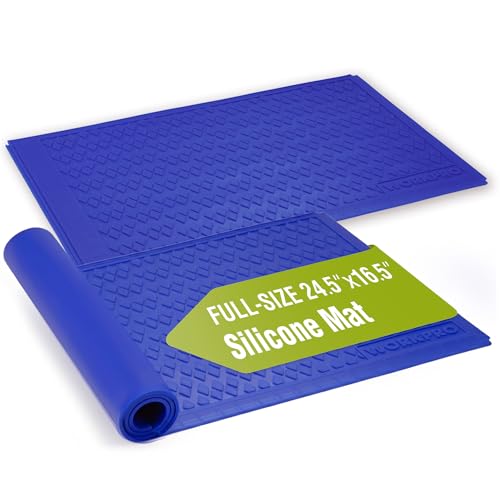
When you are blocking a cobweb-weight lace shawl, you need a surface that is gentle and won’t snag fine fibers. The Folia mat has a smooth, refined finish that is ideal for delicate protein fibers like silk or mohair.
Because it is so smooth, it won’t leave grid-like patterns on the back of your lace, which can sometimes happen with textured mats. It feels almost like a second skin for your knitting.
It is lightweight and easy to maneuver, making it perfect for smaller projects like scarves or cowls. If your knitting aesthetic leans toward the ethereal and delicate, this is the surface you want.
Wilton Easy-Flex Silicone Mat: Best Budget Choice

You don’t need to spend a fortune to get a functional blocking surface, and the Wilton mat is proof of that. It provides a clean, heat-resistant barrier that gets the job done without any unnecessary bells and whistles.
It is thin and highly flexible, which makes it easy to store in tight spaces. While it doesn’t have the heavy-duty feel of the Gorilla Grip, it is more than sufficient for standard-weight projects and occasional blocking.
For a beginner who is just starting to build their toolkit, this is a sensible, low-risk purchase. It allows you to focus your budget on higher-quality yarn while still ensuring your finished objects look professional.
Why Heat Resistance Matters for Fiber Blocking
Heat is essential for relaxing fibers, particularly wool, which is essentially a series of microscopic scales that lock together. When you apply steam, you are softening the lanolin and allowing the fibers to reset into their new, blocked shape.
If your mat isn’t heat-resistant, it can melt or off-gas, which is both a safety hazard and a potential risk to your yarn. A high-quality silicone mat acts as a protective shield between your iron and your furniture.
- Wool: Needs gentle heat to relax.
- Alpaca: Requires even less heat to avoid "killing" the fiber.
- Synthetics: Can melt if the iron touches the mat directly.
Always ensure your mat can handle the temperatures you plan to use. A mat that curls under heat will ruin the shape of your hard-earned project.
How to Properly Steam Block Delicate Wool Fibers
The golden rule of steam blocking is to never actually touch the iron to the knitting. Instead, hover the iron just above the fabric and release a burst of steam, letting the heat penetrate the fibers.
If you press the iron directly onto the wool, you risk "killing" the fiber, which means flattening the loft and potentially making it permanently limp. Use your mat as a base to pin your piece to the exact dimensions required by your pattern.
- Pinning: Use stainless steel T-pins to avoid rust.
- Steam: Use the steam setting, not the dry setting.
- Drying: Leave the piece pinned until it is 100% dry to the touch.
Patience is your best tool here. Rushing the drying process will result in a project that loses its shape the moment you unpin it.
Essential Features to Look for in Blocking Mats
When shopping for a mat, prioritize a surface that is non-porous and easy to clean. You want a material that won’t hold onto dust, pet hair, or residual dye from previous projects.
Thickness is another factor; a thicker mat is better for pinning, as it allows the pin to stand upright without leaning. A thin mat requires you to angle your pins, which can distort the edge of your knitting.
- Size: Always check the dimensions against your largest project.
- Texture: Subtle is better to avoid imprinting.
- Heat Rating: Ensure it is rated for iron temperatures.
Look for a mat that provides a "tacky" feel rather than a "slick" feel. This grip helps keep your stitches in place while you are adjusting the tension.
Maintaining Your Silicone Mats for Long-Term Use
Silicone is durable, but it can attract lint and dust over time. After each blocking session, wipe the mat down with a damp cloth and a drop of mild dish soap to remove any residue.
Avoid using harsh chemicals or abrasive scrubbers, as these can scratch the surface and create places for dirt to hide. If your mat becomes sticky, a light dusting of cornstarch can often restore the finish.
Store your mats flat if you have the space, or roll them loosely. Avoid folding them tightly, as this can create permanent creases that will affect your blocking accuracy in the future.
Choosing the right silicone mat is about matching your tools to the types of projects you love to knit. Whether you are blocking a massive, heavy wool sweater or a delicate lace shawl, a reliable heat-resistant surface makes all the difference. Treat your mat well, and it will serve as the foundation for years of beautiful, professional-looking finished objects. Happy knitting, and enjoy the satisfaction of a perfectly blocked piece.