6 Best Sharp Fabric Scissors For Cutting Chenille
Achieving clean edges on chenille requires precision. We review the 6 best sharp fabric scissors to help you cut through thick layers with ease and accuracy.
Achieving the perfect "fuzzy" chenille effect requires precise, clean cuts that don’t crush the delicate pile of the fabric. Whether you are slashing through layers for a quilt or trimming edges for a fiber art project, your choice of blade is the difference between a professional finish and a frayed mess. A dull blade is your worst enemy when working with these dense, lofted fibers. These six options represent the gold standard for maintaining the integrity of your chenille projects.
Gingher 8-Inch Knife Edge Dressmaker Shears


Gingher shears are the classic choice that many of us grew up using in our grandmother’s sewing room. The knife-edge grind on these blades is exceptionally sharp, allowing them to glide through multiple layers of chenille without catching or pulling.
Because they are made of high-carbon steel, they hold an edge longer than many modern alternatives. However, they are heavy; if you are spending an entire afternoon trimming fabric for a large project, you may feel the weight in your wrist.
Keep in mind that these require consistent oiling to prevent rust. If you live in a humid climate, a quick wipe with a light machine oil after every session is non-negotiable.
Kai 7230 Professional 9-Inch Micro-Serrated

If you struggle with fabric shifting while you cut, the Kai 7230 is a game-changer. These blades feature a micro-serrated edge that grips the chenille fibers just enough to prevent the fabric from sliding away from the blade.
The stainless steel construction is lightweight and incredibly ergonomic. You can make long, sweeping cuts through thick layers of chenille without the hand fatigue that often comes with heavier industrial shears.
These are particularly excellent for beginners who haven’t yet mastered the "tension" required to hold fabric steady while cutting. They essentially do the work of stabilizing the fabric for you.
WISS 8-Inch Industrial Strength Sharp Shears

WISS shears are the workhorses of the sewing world, designed for heavy-duty tasks that would quickly dull a pair of craft scissors. When you are cutting through thick, multi-layered chenille, the sturdy pivot point ensures the blades stay perfectly aligned.
These aren’t the most elegant scissors on the market, but they are built for pure performance. They handle the dense, fibrous nature of chenille with a satisfying, clean snap.
The trade-off here is the handle design, which is more utilitarian than ergonomic. If you have smaller hands, you might find the grip a bit wide and uncomfortable for long-term use.
LDH Scissors Midnight Edition Fabric Shears
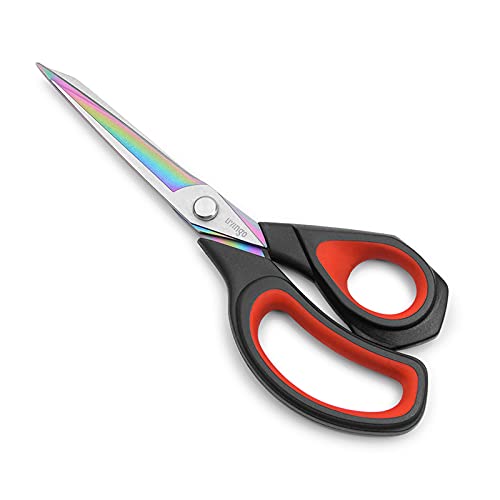
The LDH Midnight Edition is a favorite among modern makers who want a balance of aesthetic beauty and surgical precision. These shears are forged from high-carbon stainless steel and feature a black coating that feels exceptionally smooth against the fabric.
They are remarkably sharp right out of the box, capable of snipping through the loft of chenille without crushing the pile. This is vital when you want your finished project to look uniform and plush.
Because they are so sharp, treat them with extra care. Never use them on paper or wire, as even a minor nick in the blade will ruin their ability to glide through delicate fabric layers.
Fiskars Amplify Razor Edge Fabric Shears

Fiskars is a household name for a reason, and their Amplify line is specifically engineered for thick materials. These scissors use a torsion-spring mechanism that senses the thickness of the fabric and adjusts the blade tension accordingly.
When you hit a particularly dense section of chenille, the scissors automatically tighten the blades to prevent the fabric from folding between them. This is a brilliant feature for anyone dealing with bulky, layered projects.
While they are made of high-quality materials, the plastic handle construction can feel a bit "busy" compared to all-metal shears. However, for sheer functional performance on thick fabrics, they are hard to beat.
Westcott 8-Inch Titanium Bonded Scissors
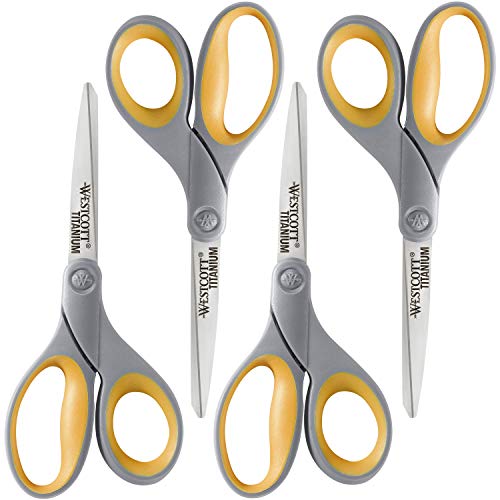
Westcott offers a great entry point for those who need sharp blades without the premium price tag of professional tailoring shears. The titanium-bonded coating makes the blades three times harder than stainless steel, which helps them resist the friction caused by synthetic chenille fibers.
They are lightweight and offer a very comfortable grip, making them a great choice for casual crafters. They cut smoothly and rarely need sharpening if used exclusively on fabric.
Be aware that these are not meant for heavy-duty industrial use. If you are cutting through dozens of layers daily, you will eventually notice the edge degrading faster than it would on a pair of forged steel shears.
Why Sharp Scissors Are Vital for Chenille
Chenille is unique because it relies on a dense, upright pile to create its characteristic soft texture. When you use dull scissors, the blades don’t slice through the fibers; they "chew" them, crushing the pile and causing the edges to look matted and frayed.
A sharp blade ensures a clean, perpendicular cut that keeps the fibers standing tall. This is especially important if you are planning to wash your project later, as frayed edges from dull blades will only unravel further in the laundry.
Think of it like using dull needles on a delicate silk yarn; the damage to the structure is often irreversible. Investing in sharp scissors is the first step in ensuring your hard work remains durable and beautiful.
How to Prevent Chenille Fraying When Cutting
Cutting chenille on the bias is a common technique, but it significantly increases the risk of unraveling. To mitigate this, consider using a rotary cutter with a fresh blade against a self-healing mat for your initial straight cuts.
If you must use scissors, avoid lifting the fabric off the table. Keep the bottom blade of your shears flush against the cutting surface at all times to minimize "fabric lift" and shifting.
For particularly prone fabrics, a light application of a fray-check liquid along the cut line can provide an extra layer of security. Always test this on a scrap piece first to ensure it doesn’t leave a visible residue on your specific yarn or fabric type.
Proper Maintenance for Your Fabric Shears
Your scissors are a precision tool, not a general-purpose utility item. Never use your fabric shears to cut paper, cardboard, or tape, as these materials contain adhesives and minerals that will dull the edge almost instantly.
Regularly wipe your blades with a soft, lint-free cloth to remove dust and fabric fibers. If you notice a "sticky" feeling when closing the blades, a tiny drop of sewing machine oil at the pivot screw can restore smooth operation.
When they eventually lose their edge, have them professionally sharpened by someone who specializes in fabric shears. A hobbyist sharpener using a bench grinder will often ruin the precise knife-edge grind required for quality cutting.
Testing Your Scissors for Clean Chenille Cuts
The ultimate test for any pair of shears is the "hanging test." Hold a single layer of your chenille fabric vertically and attempt to make a clean, single-motion cut without the fabric bunching up.
If the fabric folds or the blades get stuck, your scissors are either dull or the pivot tension is too loose. A healthy pair of shears should glide through the fabric with minimal resistance and zero "chewing" sounds.
Keep a small "test scrap" of your project fabric near your workstation. If you ever feel the scissors struggling, perform a quick test cut on the scrap before risking your actual project piece.
Selecting the right scissors is just as important as choosing the right yarn for your knitting needles. By prioritizing sharp, high-quality blades and maintaining them with care, you ensure your chenille projects look professional and feel luxurious. Remember that your tools are an extension of your craft, so choose the pair that feels best in your hand and fits your specific project needs. Happy cutting, and may your edges always be clean and fray-free.